What’s Happening
At tourist spots across Japan, visitors have been tossing coins into ponds, springs, and pools—often believing it will bring them good luck. The problem has gotten so bad that it’s now a national conversation, and some sites are seeing real environmental damage.
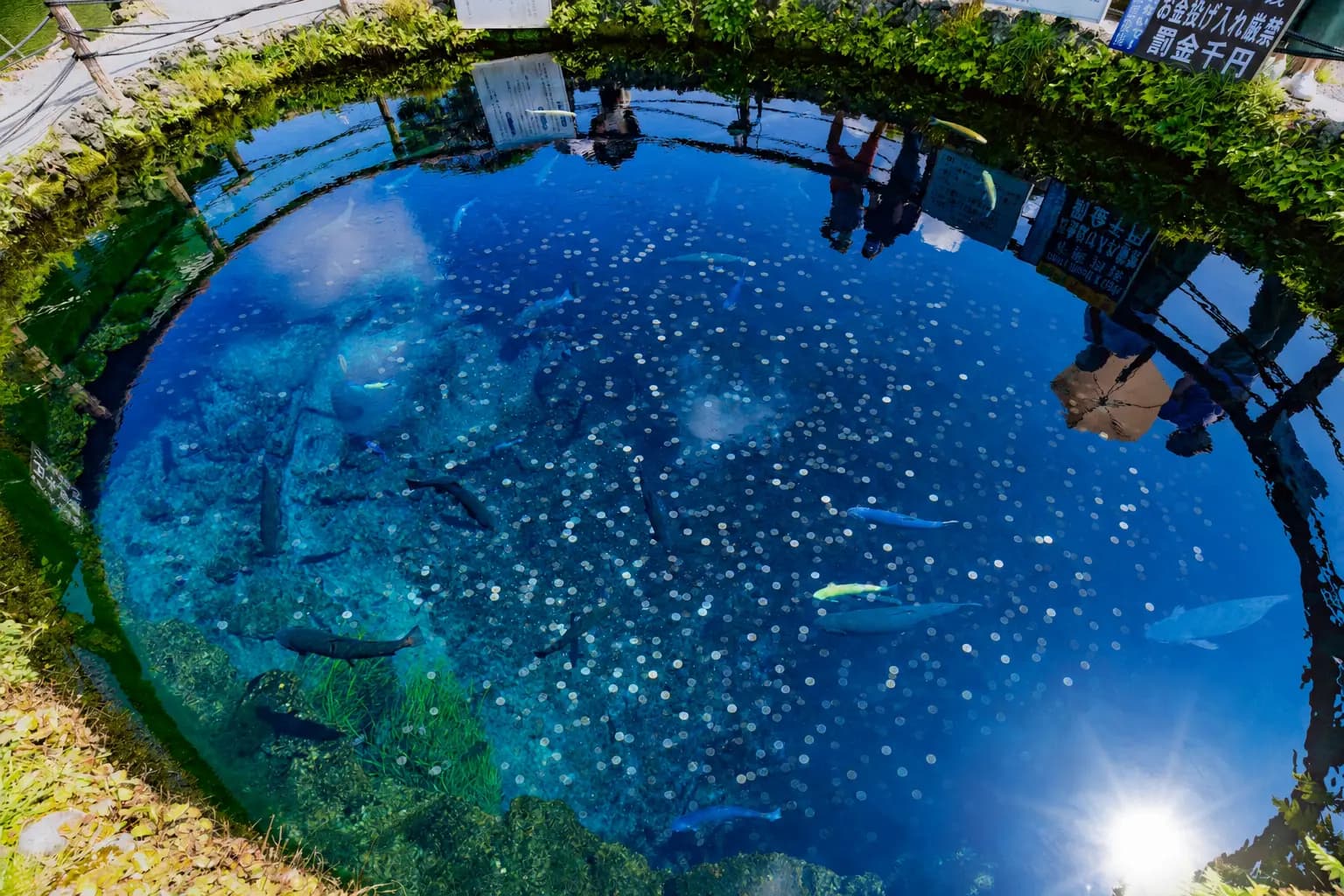
The worst-hit spot is Oshino Hakkai (忍野八海), a set of eight crystal-clear spring ponds in Yamanashi Prefecture fed by snowmelt from Mt. Fuji. These ponds are designated as a National Natural Monument and form part of the UNESCO World Heritage site for Mt. Fuji. In 2024, volunteer divers recovered about 4,400 coins from the ponds. By 2025, that number had jumped to roughly 18,000—a fourfold increase in just one year.
Despite signs posted in four languages asking visitors not to throw coins, the behavior continues. A recent report found that over 80% of visitors at Oshino Hakkai are international tourists, many of whom simply don’t know the rules.
Why People Do It (And Why It’s Wrong)
When asked, most coin-tossers say the same thing: “I threw it for good luck” or “I thought it was like the Trevi Fountain.” One group of Western tourists told a reporter they had no idea it was prohibited—they just assumed it was the same tradition they knew from back home.
But here’s the thing: Japan’s ponds are not wishing wells. There is no tradition of throwing coins into natural water sources in Japan. The correct way to make an offering is at a shrine or temple’s offering box (saisen-bako, 購銭箱)—never into a pond, river, or spring.
The Real Damage
• Water pollution: Metal from corroding coins—copper, zinc, nickel—leaches into the water, degrading water quality. Ponds that were once famously transparent are now cloudy and covered in algae.
• Ecological harm: The metal runoff can harm aquatic life and disrupt the natural ecosystem of these spring-fed ponds.
• Landscape destruction: The “Mirror Pond” (Kagami-ike) at Oshino Hakkai—named for its glass-like surface—is now so overgrown with algae that you can barely see the water, let alone your reflection.
• Legal risk: Throwing objects into a designated National Natural Monument is a violation of Japan’s Cultural Properties Protection Law, punishable by up to 5 years in prison or a fine of up to ¥1,000,000 (roughly $6,500 USD).
Where It’s a Problem
Oshino Hakkai (忍野八海) — Yamanashi Prefecture
The most severely affected site. Part of the Mt. Fuji World Heritage designation and a National Natural Monument. The village has tried multilingual signage, volunteer diver cleanups, and even a crowdfunding campaign to install donation boxes near the ponds as an alternative outlet for visitors who feel the urge to toss a coin.
Shrine and temple ponds — nationwide
Oshino Hakkai isn’t the only place. Ponds at shrines and temples across Japan also end up with coins on the bottom. Once a few coins are visible, others follow—a classic broken-window effect.
The Right Way to Make a Wish in Japan
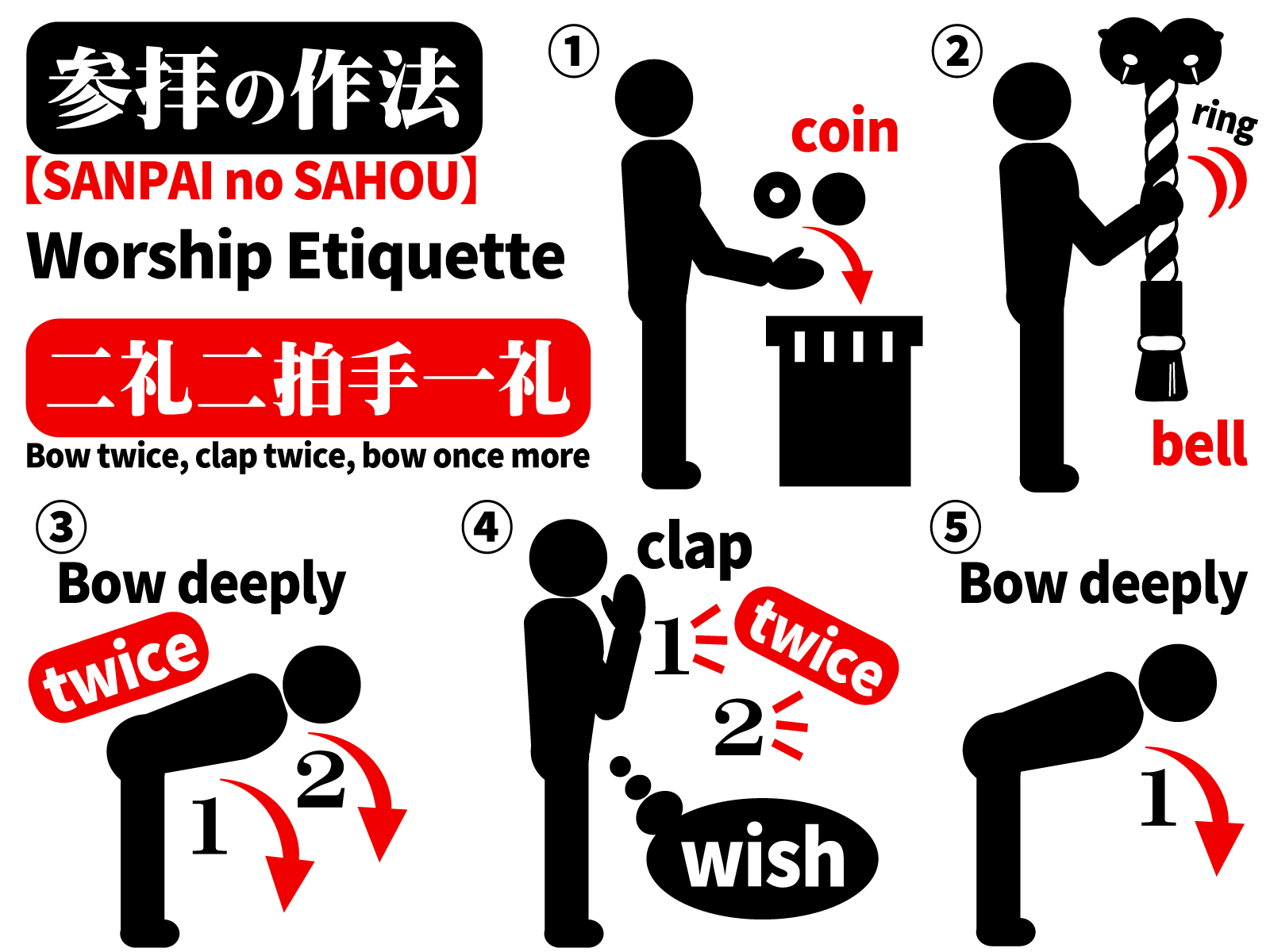
If you want to make an offering or a wish in Japan, here’s how to do it properly:
Go to a shrine (jinja, 神社) or temple (otera, お寺). Walk up to the main hall and you’ll see a wooden offering box called a saisen-bako (賽銭箱) in front of the altar. Gently place your coin into the box—don’t throw it. At a shrine, bow twice, clap your hands twice, make your wish silently, and bow once more. At a temple, simply place your hands together and bow. No clapping.
A 5-yen coin (五円) is considered good luck because “go-en” sounds the same as the Japanese word for “good connection” or “fate.” But any amount is fine—it’s the sincerity that counts.
The key takeaway: offerings go in the offering box, not in the water.
What You Can Do
If you visit Oshino Hakkai or any scenic pond in Japan, simply enjoy the beauty of the water as it is. Take a photo. Appreciate the clarity. And if you see others about to toss a coin, a friendly heads-up could make a difference.
If you feel moved to contribute, the village of Oshino is currently running a crowdfunding campaign to install environmental conservation boxes near the ponds. Your support helps protect these sites for future visitors.
▶ Oshino Village: Request for Environmental Protection of Oshino Hakkai (official, Japanese)
This article was translated from the original Japanese with AI assistance and reviewed by our editorial team. The Japanese version is authoritative.