
Tokyo Game Show is one of the biggest gaming events in the world, and 2026 marks its 30th year with a first-ever five-day run at Makuhari Messe, just outside Tokyo. If you're flying in for it, two decisions come before you book anything else: which public day to attend, and which ticket to buy now that the priority passes have already sold out. This guide covers what is still on sale as of late August, how overseas visitors can buy tickets, and how to handle a hot, humid September.
Mid-September in the Tokyo area is still summer, so plan your bag around the heat rather than the calendar. Our What to Wear in Japan in Summer 2026 guide covers the temperatures and humidity to expect while standing in line.
Only September 19–21 are open to the public. Thursday and Friday are business days, and the Premium and Fast passes are already sold out — the 3,000-yen one-day ticket is the one to grab.
Tokyo Game Show 2026 at a glance
The show runs from Thursday, September 17 to Monday, September 21, 2026 at Makuhari Messe in Chiba. To mark its 30th anniversary, CESA has extended it from the usual four days to five for the first time, under the theme "The Longest Five Days of Nonstop Play."
The first two days are business days for industry and press only, so general visitors cannot enter. The three public days are the ones that matter for a trip:
- Business Days: Thursday, Sept 17 and Friday, Sept 18, 10:00–17:00 (industry and press only)
- Public Days: Saturday, Sept 19 and Sunday, Sept 20, 9:30–17:00
- Public Day: Monday, Sept 21 (national holiday), 9:30–16:00
The show features around 3,500 exhibitor booths, and organizers expect roughly 300,000 visitors across the run. The show is held indoors at Makuhari Messe, but September is typhoon season around Tokyo, so check the official site for any weather-related announcements before you travel.
Which public day to choose
Of the three public days, Monday, September 21 is the odd one out. It is Respect for the Aged Day, a national holiday, and the shorter day — the halls close at 16:00 with last entry at 15:00, an hour earlier than the weekend. If you want the most floor time, choose Saturday or Sunday, when the halls stay open until 17:00.
Saturdays and Sundays at TGS are generally the busiest, but the organizers do not publish crowd figures by day, so treat any "quiet day" advice as a guess rather than a plan. Whichever day you pick, note the re-entry cutoff: last entry is 16:00 on the 19th and 20th and 15:00 on the 21st. Re-entry closes at 16:30 on those two days and at 15:30 on the 21st; after that, you can't go back in.
Ticket status and availability
Every ticket is sold in advance. There are no same-day tickets at the venue, and tickets are non-refundable. As of late August, this is where each type stands:
Ticket | Price (tax incl. | Status (late Aug) |
|---|---|---|
One-Day Ticket | 3,000 yen / day | On sale |
Special Discount Ticket | 1,500 yen / day | On sale (eligibility applies) |
Fast Ticket | 6,000 yen / day | Sold out |
Premium Ticket | 30,000 yen | Sold out |
The One-Day Ticket at 3,000 yen is the realistic choice for most visitors and is still available, though it may sell out before the show, so buy as soon as your plans are set — availability can change right up to the event. The Special Discount Ticket at 1,500 yen is on sale too, but only for eligible visitors — check the official ticket page for who qualifies.
The Fast Ticket (priority entry at opening) and the Premium Ticket (a three-day priority pass with access to a dedicated lounge called Energy Spot) are both sold out for all three public days. There is also a one-off 30th-anniversary ticket at 3,300,000 yen that comes with a pure-gold medal — a collector's item more than a practical way in.
Children of elementary-school age and younger enter free.
Buying tickets from overseas
If you live outside Japan, the simplest route is the digital One-Day Ticket (3,000 yen), which is sold to overseas residents through Trip.com. Travel packages that bundle entry are handled by a Hong Kong agent, Club Travel Services.
Inside Japan, tickets are sold through Lawson Ticket, Ticket Pia, e-plus, Seven Ticket and other major ticketing services, with paper tickets picked up at convenience stores and digital tickets shown as a QR code on your phone.
Because sale routes and stock can shift, confirm your ticket on the official English ticket page before you travel, and don't leave it until you land — there is nothing to buy at the door.
Getting to Makuhari Messe
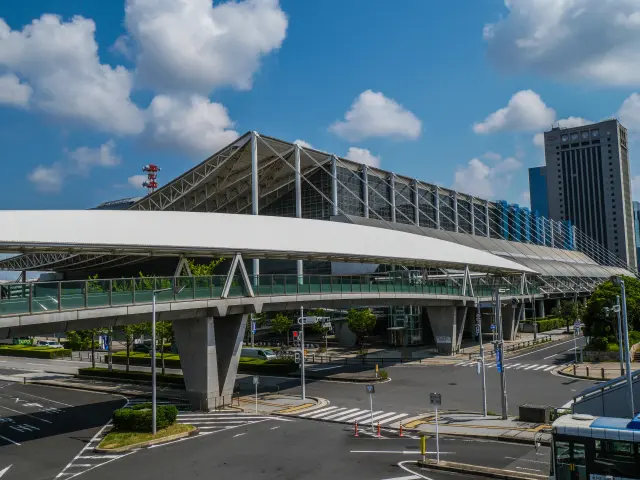
Makuhari Messe is a short trip from central Tokyo. Take the JR Keiyo Line to Kaihin-Makuhari Station, which is about a five-minute walk from the halls; a rapid train from Tokyo Station takes around 30 minutes. Coming from Narita or Haneda, travel via Tokyo Station — the official access page doesn't list a direct airport connection.
If you want to ride the Keiyo Line without buying paper tickets, a mobile IC card is an easy option — see our Welcome Suica Mobile guide.
One thing to check before you go: the Family Game Park, aimed at families, is at a separate venue this year. It's at TKP Tokyo Bay Makuhari Hall, about a ten-minute walk from the station, because the Makuhari Messe event hall is under renovation. The main show is at Makuhari Messe itself.
Heat and venue rules on the day
Mid-September in Chiba and Tokyo still runs hot: the average high is around 27.5°C, and humidity is high. The halls are air-conditioned, but entry queues form outside, so dress for late-summer heat and bring a compact umbrella, as September is one of the wetter months. Entry is by a QR ticket on your phone, so a portable charger is worth packing.
Photography and cosplay have their own rules at TGS, and the specific rules for 2026 will be posted on the official "for visitors" pages — read those before the day if you plan to shoot or cosplay, since some booths restrict photos.

This article was translated from the original Japanese with AI assistance and reviewed by our editorial team. The Japanese version is authoritative.


.webp&w=3840&q=75)