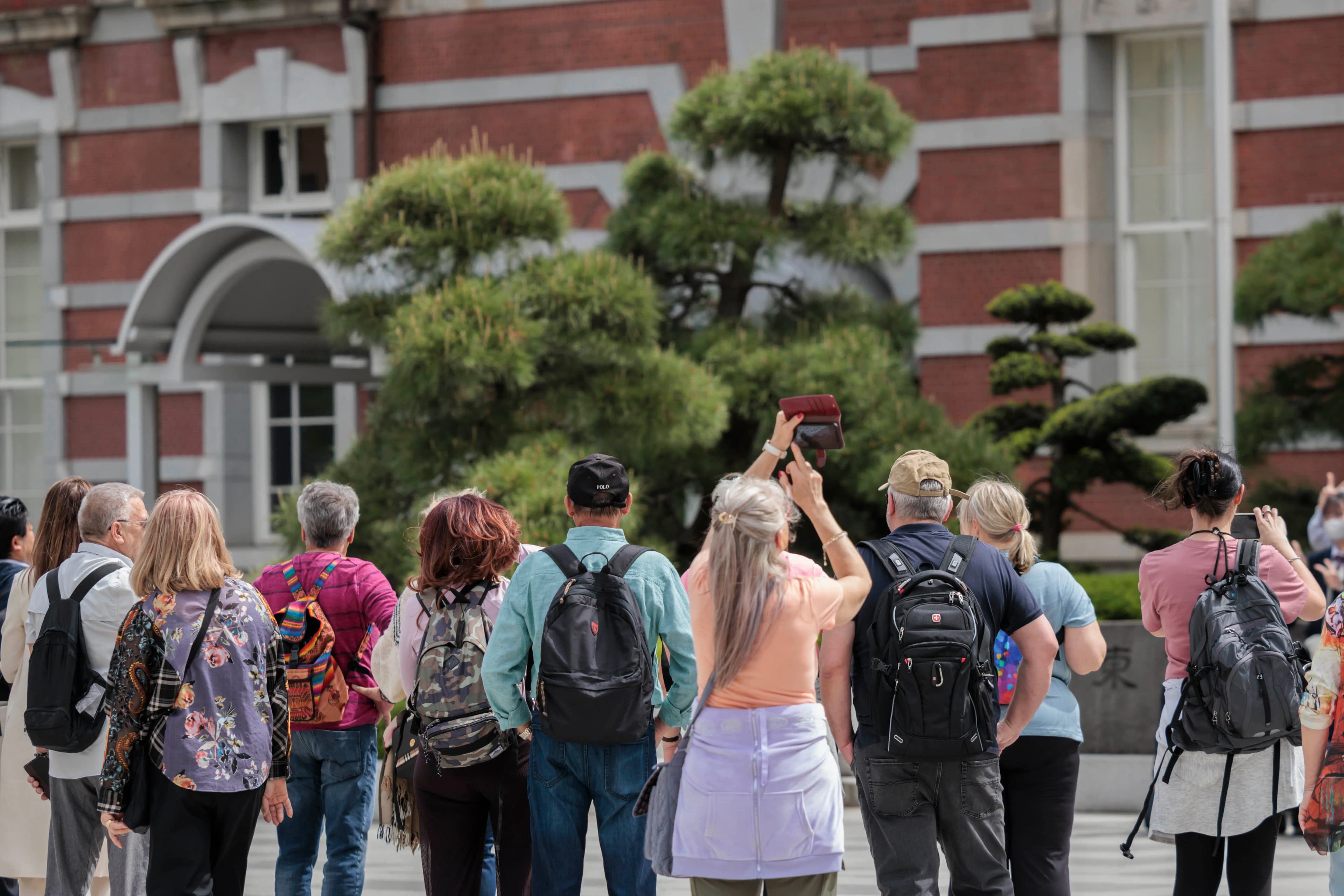
Summer in Japan runs hotter than most first-timers expect, and it's the humidity, not the number on the thermometer, that wears you down. Once the rainy season lifts in mid-July (around July 19 in the Tokyo and Kyoto–Osaka areas, on average), Tokyo settles into stretches of 30°C-plus days, and August highs reach the low 30s°C (upper 80s°F). The city's July–August humidity hovers in the mid-70% range. Sweat doesn't evaporate, and ten minutes outside can leave you drained.
Here's the short version: pack for breathability, quick-dry fabric, one light layer, and a folding umbrella. That combination covers most situations. This guide breaks down what to wear and what to carry for a July–August trip, using Japan Meteorological Agency climate normals.
The Heat, by the Numbers
Not every city is hot in the same way. Here are JMA climate normals (1991–2020) for popular destinations in July and August.
City | July high | August high | Avg. |
|---|---|---|---|
Tokyo | 29.9°C / 86°F | 31.3°C / 88°F | 74–76% |
Kyoto | 32.0°C / 90°F | 33.7°C / 93°F | 66–69% |
Osaka | 31.8°C / 89°F | 33.7°C / 93°F | 66–70% |
Sapporo | 25.4°C / 78°F | 26.4°C / 80°F | 75% |
Naha (Okinawa) | 31.9°C / 89°F | 31.8°C / 89°F | 78% |
Kyoto and Osaka climb into the mid-30s°C in August — the hottest of the major destinations here. If you're walking Kyoto's stone-paved lanes and hills, plan on serious sun protection. Sapporo runs about 4–5°C cooler than Tokyo, and mornings there can dip below 20°C. Okinawa's daytime highs aren't far off Tokyo's, but the nights barely cool down, hovering around 26–27°C with 78% humidity. You never quite stop sweating.
Start With Breathable, Quick-Dry Fabric
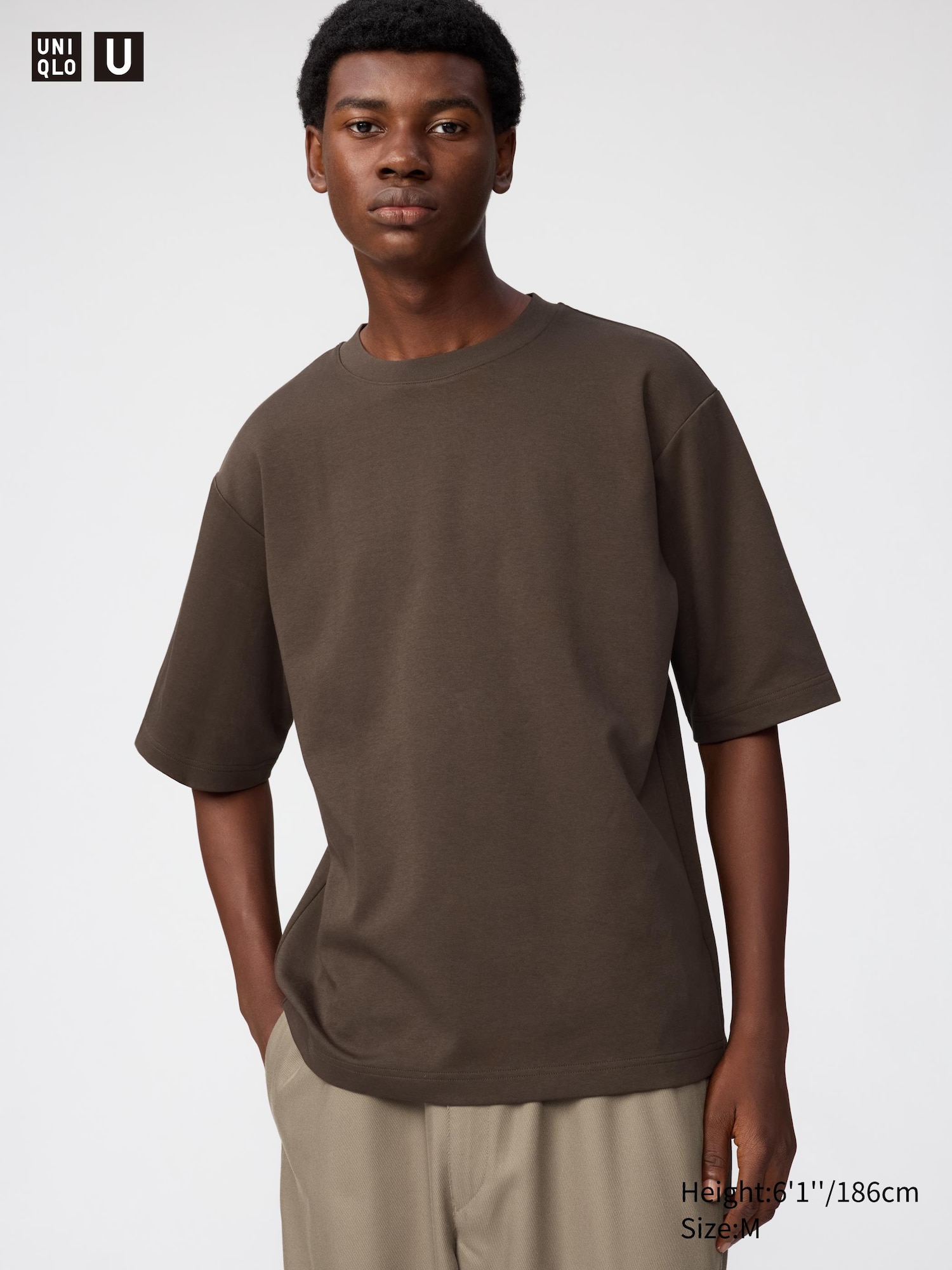
Fabric makes or breaks your comfort. A 100% cotton T-shirt soaks up sweat and stays damp, then chills you the moment you step onto an air-conditioned train. Linen blends and synthetics dry fast and stay comfortable through a sweaty afternoon. If you run short on clothes (or underestimated the heat), Uniqlo and GU sell cooling-touch innerwear and quick-dry basics cheaply, so buying a piece or two once you land is a reasonable plan.
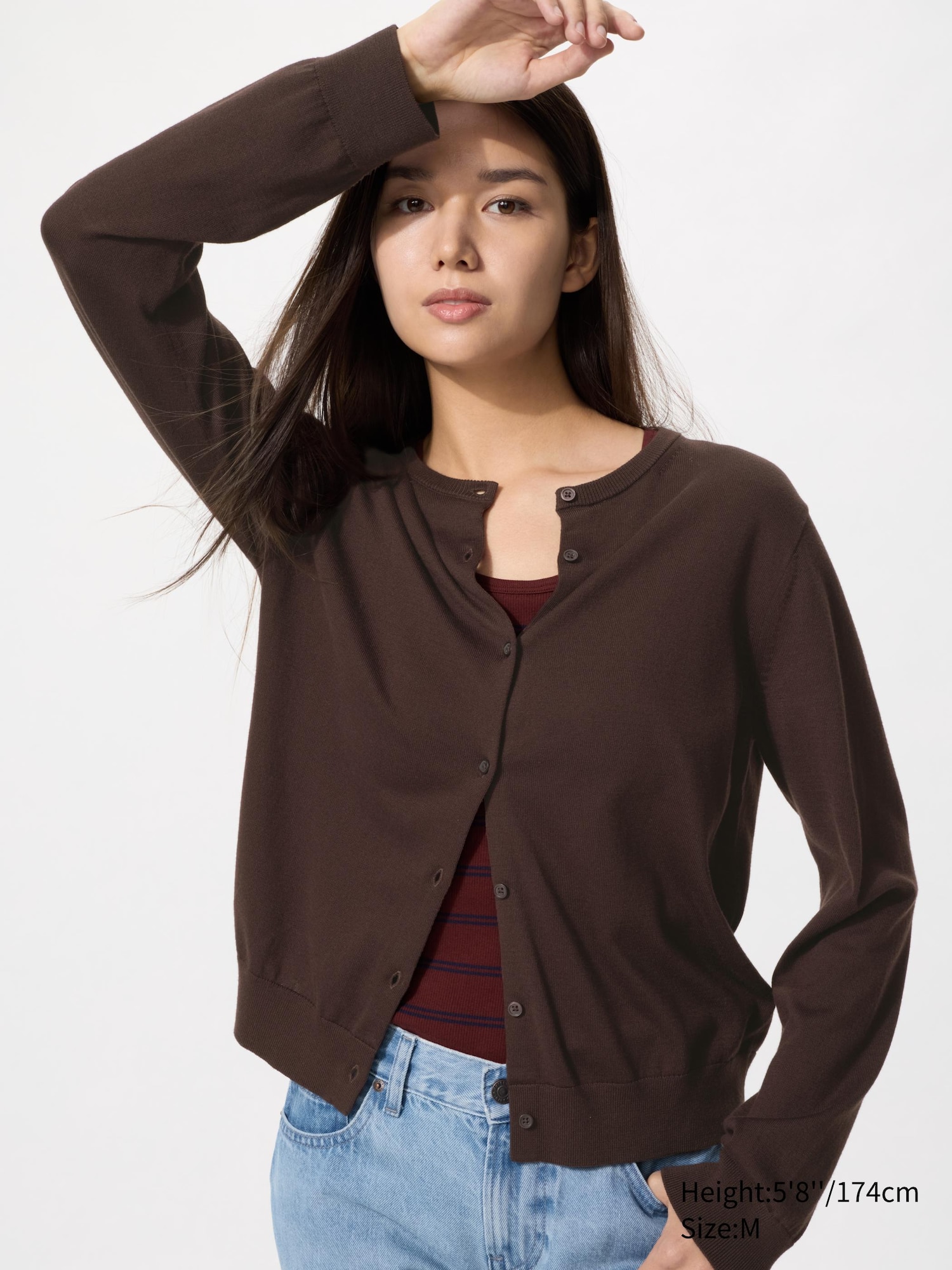
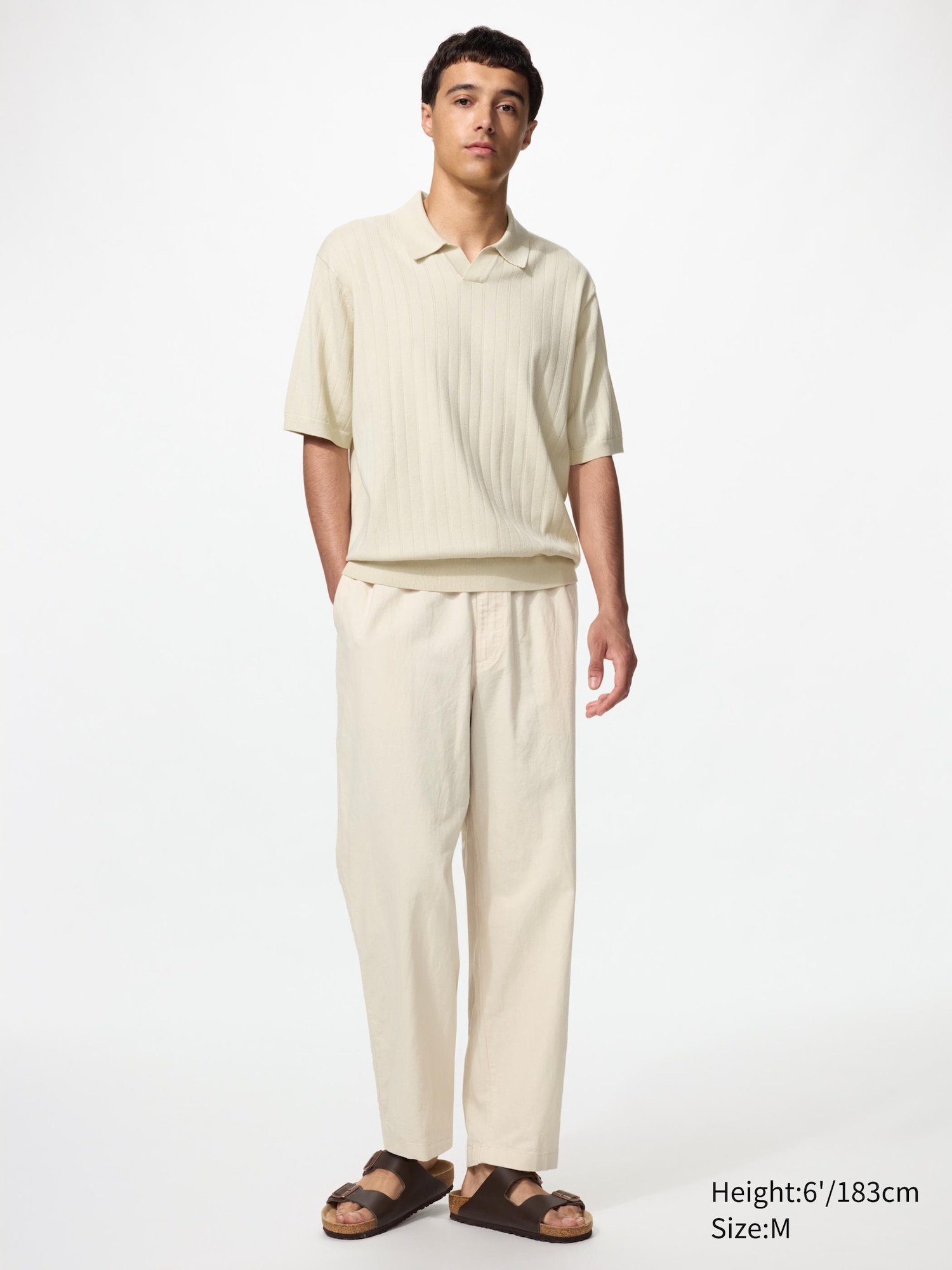
The other essential is a light layer. Trains, shops, and museums crank the air conditioning, and the gap with the outside air is real. On the days you're out in a T-shirt, a cardigan or shirt you can throw on keeps you from getting chilled. Go breathable on the bottoms too — but if temples or a nicer restaurant are on the itinerary, choose something that covers the knee.
Treat the Sun as "Very High"
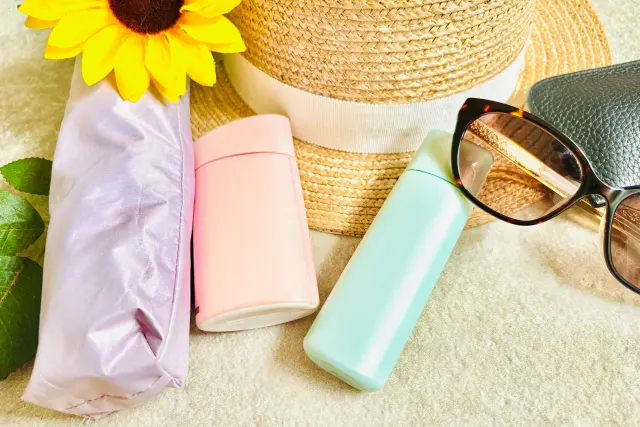
On the JMA's UV index, Japanese summers reach the "Very High" band (8 and above). At Tsukuba, near Tokyo, the daily-maximum UV index has climbed to around 8.5 in July and August in recent years. Put on a high-SPF sunscreen in the morning. A hat, sunglasses, and — yes — a parasol change how the heat feels more than you'd expect. Sun umbrellas are common here, increasingly among men too, and you can grab one at a convenience store or 100-yen shop. If you'd rather buy sunscreen after you arrive, I've rounded up the chains and go-to products in Best Japanese Sunscreen 2026.
Don't Underestimate Heatstroke
Japanese summers have measurably more "extremely hot days" (35°C / 95°F and up) than they used to. The JMA counts an increase of about 2.6 days per century, with the last 30 years running close to four times the annual figure of a century ago. The Environment Ministry and JMA issue a Heatstroke Alert when the heat index (WBGT) is forecast to reach 33 or higher; take those days seriously.
On days with a lot of walking, replace salt (electrolytes) as well as water. Convenience stores and vending machines sell sports drinks; drugstores stock salt tablets. Ducking into an air-conditioned space to rest is exactly what the health agencies recommend. For more on the heat itself, see Surviving Japan's Summer Heat (2026).
Environment Ministry heatstroke prevention site
Sudden Rain — and Typhoons in August and September
Even a clear morning can turn into a hard afternoon downpour (locals call it "guerrilla rain"). Keep a folding umbrella in your bag. You can buy a clear plastic one at any convenience store for around 500–800 yen, but a compact folding umbrella you carry once beats buying a new throwaway every time.
The other thing to know: late August through September is typhoon season. By JMA statistics, that's when typhoons most often approach and make landfall. If your dates fall in that window, keep flight delays, cancellations, and the occasional planned train suspension in the back of your mind, and build a little slack into your schedule.
Shoes You Can Actually Walk In
You'll walk more than you expect in Japan: long station transfers, temple approaches, covered shopping streets. Broken-in sneakers are your best friend. If you go with sandals, pick a closed-toe pair — open-toe sandals catch on station stairs and in crowds, and they'll wear you out over a long day.
Temples and Dining: A Note on Dress
Japanese temples and shrines don't enforce strict dress codes the way many European churches do. Still, it's considered polite to keep your shoulders and knees reasonably covered when you visit. A sleeved top and a knee-length hem beat a tank top and shorts. You'll sometimes take your shoes off indoors, so clean socks help.
Dining is similar in spirit: some places — kaiseki restaurants, well-known sushi counters, hotel dining rooms — would rather you skip the T-shirt, shorts, and sandals. Not every restaurant, by any means. But if you have something a little dressy planned, one collared shirt or a neat dress earns its space in the suitcase.
What Changes by Region
Same "Japanese summer," different add-ons depending on where you go. For the temperatures, see the table above.
Hokkaido (Sapporo) | Add a light long-sleeve for mornings; short sleeves are fine midday |
|---|---|
Kyoto / Osaka | Load up on heat defense — walkable shoes, a parasol or hat |
Okinawa (Naha) | Lean on quick-dry fabric; bring a rash guard if you plan to swim |
And wherever you're headed: parks, riverbanks, and temple grounds draw mosquitoes, so a small bottle of repellent is worth packing.
The Packing Checklist
To pull it together, here's what earns a place for a Japanese summer:
- Quick-dry short sleeves and one light layer (for the AC)
- A folding umbrella (for the sudden rain)
- Sunscreen, a hat, sunglasses — a parasol if you'll carry one
- Cooling wipes and gadgets (neck fans, cooling towels; drugstores have them)
- Bug spray and anti-itch cream
- Broken-in sneakers
- Drinks and salt tablets (for the heat)
- One slightly dressy outfit (for temples and nicer meals)
Japan in summer is hot, but with the right gear you can throw yourself into the festivals, the fireworks, and the beach season without wilting. When in doubt: breathable, quick-dry, one light layer, and a folding umbrella. Get those four right and you're set for almost anything. Heading to a summer festival in a yukata? See How to Wear a Yukata in Tokyo (2026).
This article was translated from the original Japanese with AI assistance and reviewed by our editorial team. The Japanese version is authoritative.


