
Now that June is here, Japan is heading into the heart of summer.
Once the rainy season lifts, the sun gets intense fast—even in Tokyo, midsummer UV is no joke. If you're sightseeing on foot all day, sunscreen isn't a nice-to-have. It's essential.
Here's the good news: Japanese sunscreen has a serious global following, and you can grab it cheaply at drugstores all over the country.
The textures are light, the formulas hold up to sweat and water, and you get top-tier SPF50+ PA++++ ratings at low prices. Plenty of travelers come to Japan specifically to stock up. Better yet, you don't have to pack it—just buy what you need after you land and keep your suitcase light.
Note: All prices are approximate and tax-included. They vary by store, size, and season. Information is current as of 2026.
Why travelers love Japanese sunscreen
Three things set Japanese sunscreen apart.
First, the feel. Most are watery gels or light milky lotions that sink in fast and rarely leave a white cast, so they work across skin tones.
Second, the staying power. Because they're built for Japan's hot, humid summers, many formulas resist sweat and water beautifully.
Third, the value. Even at the highest SPF50+ PA++++ rating, plenty of options start in the ¥1,000 range at any drugstore.
The brands worth knowing
The drugstore shelf can be overwhelming, so here are the names travelers reach for first.
Anessa (アネッサ, by Shiseido)
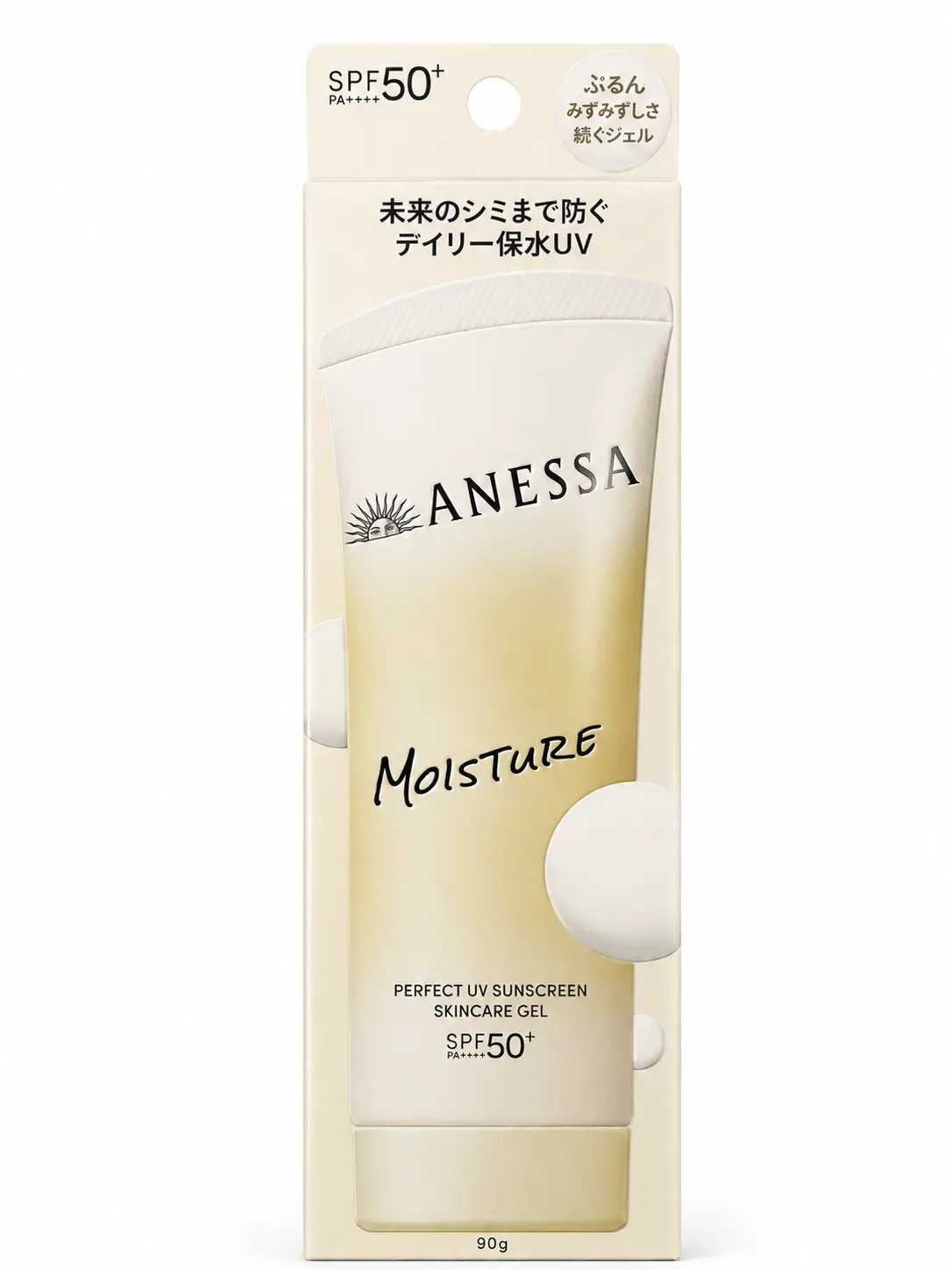
The go-to classic.
Shiseido's signature Aqua Booster technology actually strengthens the UV film when it meets sweat or water, which makes it great for the beach, the pool, or long days outdoors.
The relaunched Anessa Perfect UV Skincare Gel NB (released February 2026) runs about ¥1,496 for 40g and ¥2,508 for 90g, with added skincare ingredients that make it easy to use day to day.
Biore UV (ビオレUV, by Kao)
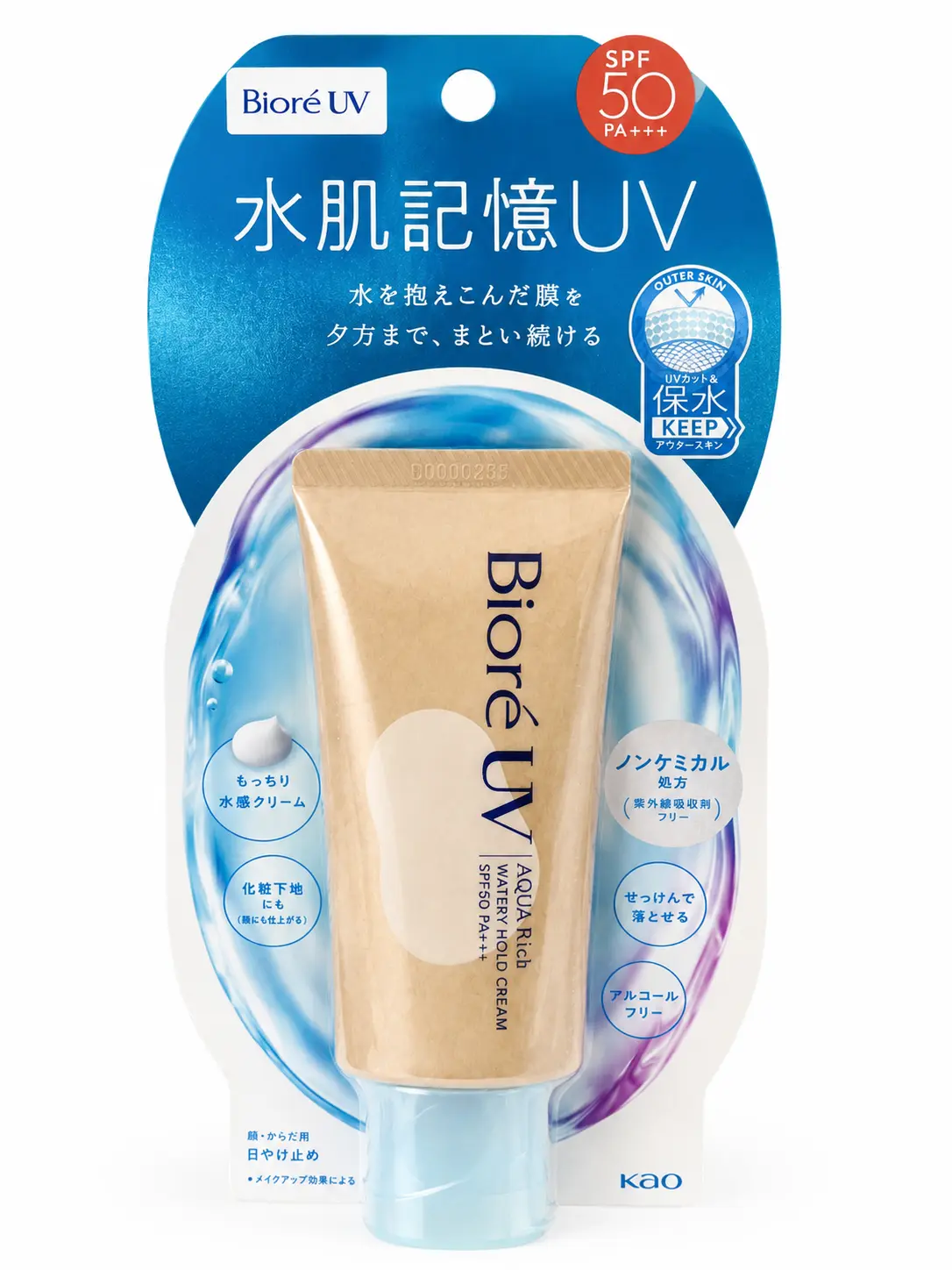
One of the best-selling sunscreens on the drugstore shelf. The flagship Biore UV Aqua Rich Watery Essence (SPF50+ PA++++) has a famously water-light texture that disappears into the skin and doubles as a makeup base.
It's affordable and an easy first bottle to try. There are also handy formats like the Aqua Protect Mist for quick reapplication on the go.
Allie (アリィー, by Kanebo)
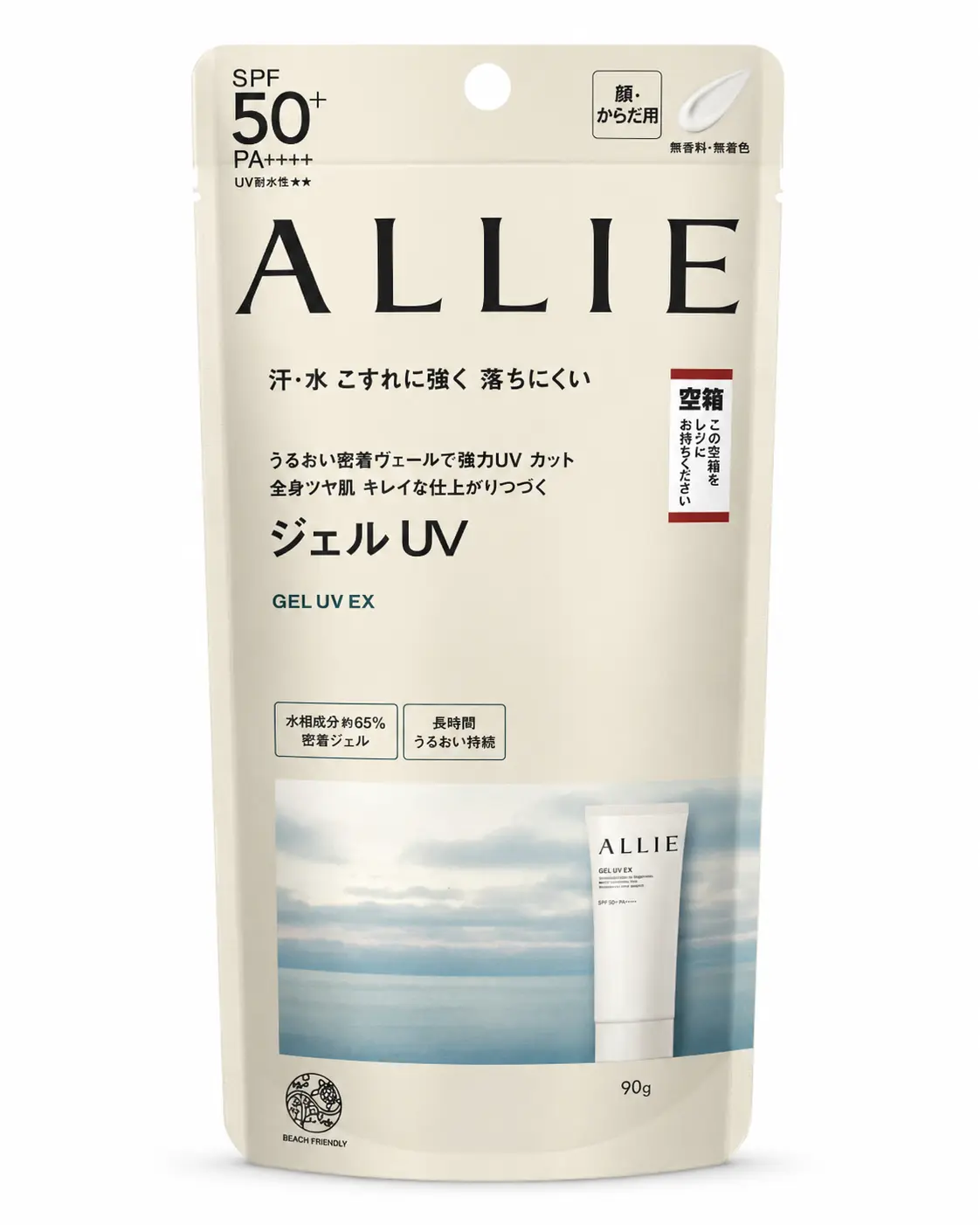
Known for the very water- and sweat-resistant Extra UV Gel.
Its "Friction Proof" formula resists rubbing off against clothing and bags—ideal for active days or sightseeing with a shoulder bag. Expect around ¥2,000 at drugstores.
Skin Aqua (スキンアクア, by Rohto)
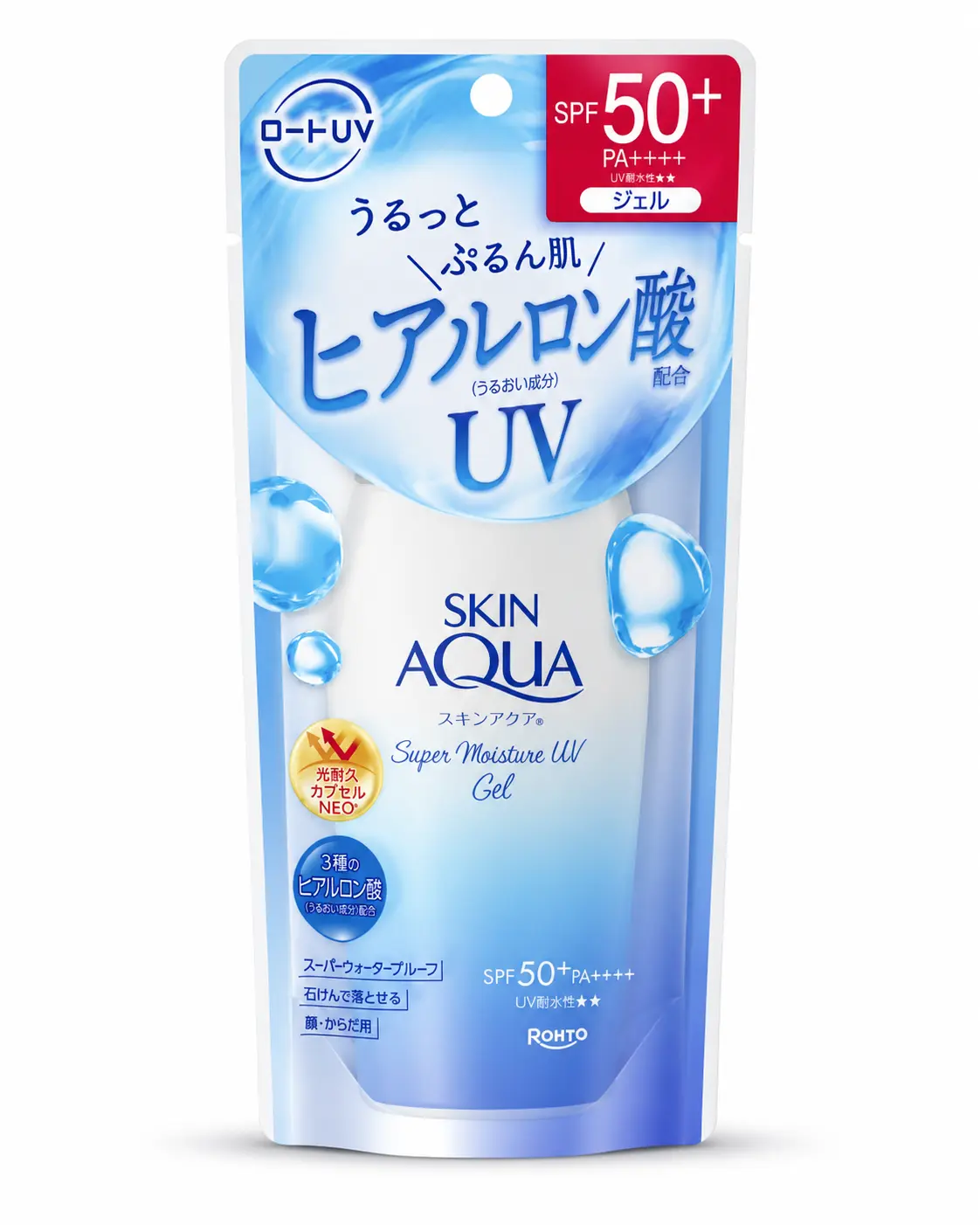
The budget pick for value seekers.
The Super Moisture Gel is packed with hydrating ingredients like hyaluronic acid, with a light feel that's easy to spread head to toe. Around ¥1,000 at many stores—handy when you want to apply generously every day of your trip.
Other budget options
Drugstore brands like CANMAKE (the Mermaid Skin Gel UV) also sell well at under ¥1,000. Sizes tend to be smaller, so they're great as a backup for a short trip or simply to test a formula.
Where to buy: best spots for travelers
You'll find sunscreen at drugstores nationwide. These are the ones travelers use most.
Matsumoto Kiyoshi ("Matsukiyo") is one of Japan's largest drugstore chains, with branches clustered around tourist hubs like Shibuya, Shinjuku, and Asakusa. Welcia, Sundrug, and Cosmos also carry a wide selection.
Don Quijote ("Donki") stays open late—often 24 hours—so you can grab sunscreen and souvenirs in one trip.
Stores like the Matsumoto Kiyoshi on Shibuya Center-gai, the branch near Asakusa's Kaminarimon Gate, and the Don Quijote in Shinjuku's Kabukicho usually have multilingual staff and tax-free counters, which makes a first purchase painless. In a pinch, convenience stores sometimes stock travel-size sunscreen too.
How to shop tax-free
Most drugstores offer tax-free shopping. Sunscreen and cosmetics count as "consumables," which qualify when you spend at least ¥5,000 before tax (and under ¥500,000) at one store on the same day. You'll need to show your passport.
Through the end of October 2026, consumables must be sealed in the specified packaging and taken out of Japan unopened and unused, with the tax waived right at the register.
Note that the system changes on November 1, 2026, to a "refund" model: you'll pay the full tax-included price and get the consumption tax refunded after customs confirms you're taking the items out of the country when you depart.
The new system also lets you combine general goods and consumables toward the threshold and drops the sealed-packaging requirement. See our separate guide for the full details.
Reading SPF & PA—and using sunscreen well
On the label, SPF indicates how much protection a sunscreen offers against UVB rays, which cause sunburn, while PA shows how well it blocks the UVA rays linked to dark spots and premature aging. The top ratings in Japan are SPF50+ and PA++++. For a day spent entirely outdoors, that highest tier is the safe choice.
What matters just as much is how much you apply and how often you reapply. Too little and you won't get the protection on the label. After sweating, or every two to three hours, top up—mist formats make this easy. Pair it with a hat, sunglasses, and an umbrella (many in Japan work for both sun and rain) to stay comfortable.
Choosing by situation
Headed to the beach, the pool, or up Mt. Fuji, where sweat and water are part of the day? Anessa or Allie hold up best.
For light, everyday city walking, Biore UV's watery types feel great.
If you want to slather it on every day, a budget brand like Skin Aqua keeps costs down.
Sensitive skin? Look for formulas with added skincare ingredients or "non-chemical" (mineral) labeling.
Want a lighter bag? Buy it here
Liquids face carry-on limits and take up surprising space in a suitcase.
Buying sunscreen after you arrive—just what you need—keeps your luggage lighter. And if you find one you love, picking up a few tax-free before you fly home makes a great little souvenir for yourself.
Popular right now
▶ Japan's Tax-Free System Is Changing: The Complete Guide to the New Refund Method
▶ Where to Buy Rain Gear in Japan (2026): Konbini, 100-Yen Shops & Don Quijote
▶ What to Wear in Japan in June: The Complete Rainy-Season Packing Guide
▶ 6 Best Hydrangea Spots in Tokyo: 2026 Bloom Times & Ajisai Festivals
This article was translated from the original Japanese with AI assistance and reviewed by our editorial team. The Japanese version is authoritative.
