
June in Japan usually means one thing for travelers: tsuyu, the rainy season. Sticky humidity, sudden downpours, and heavily air-conditioned trains make packing decisions surprisingly high-stakes. Get your clothing choices right, though, and you'll discover one of the best-kept secrets of Japan travel — fewer crowds, lower hotel rates, and hydrangea-lined temple paths that look like watercolor paintings. Here's everything you need to know about what to wear (and what to leave at home).
When Does Rainy Season Start in 2026?
According to the Japan Meteorological Association’s second forecast of the year (released May 21, 2026), Okinawa and the Amami Islands have already entered rainy season as of early May, while tsuyu across the rest of Japan — from Kyushu to Tohoku — is expected to arrive later than average. Southern Kyushu and Shikoku should see tsuyu begin in early June, while the Kanto region (including Tokyo), Kansai, and Central Japan are looking at mid-June. Northern Honshu and the Hokuriku coast won’t enter the rainy season until late June. Note that the Japan Meteorological Agency may revise these dates later based on actual weather patterns; the timing listed here reflects forecasts as of May 21, 2026. That said, rainy, overcast days have already been settling in across much of Honshu since late May, so pack your rain gear regardless of your arrival date.
As a general guide for June in Tokyo, daytime highs sit around 25–28°C (77–82°F) and overnight lows around 18–21°C (64–70°F), though some days can push close to 30°C (86°F). But here’s the catch: humidity regularly hits 70–80%, making even moderate temperatures feel oppressive. If you’ve traveled in humid parts of Asia, you’ll recognize the feeling. If you haven’t, imagine stepping out of a shower and feeling like you never quite dry off.
The Golden Rules: Breathability and Quick-Dry Fabrics
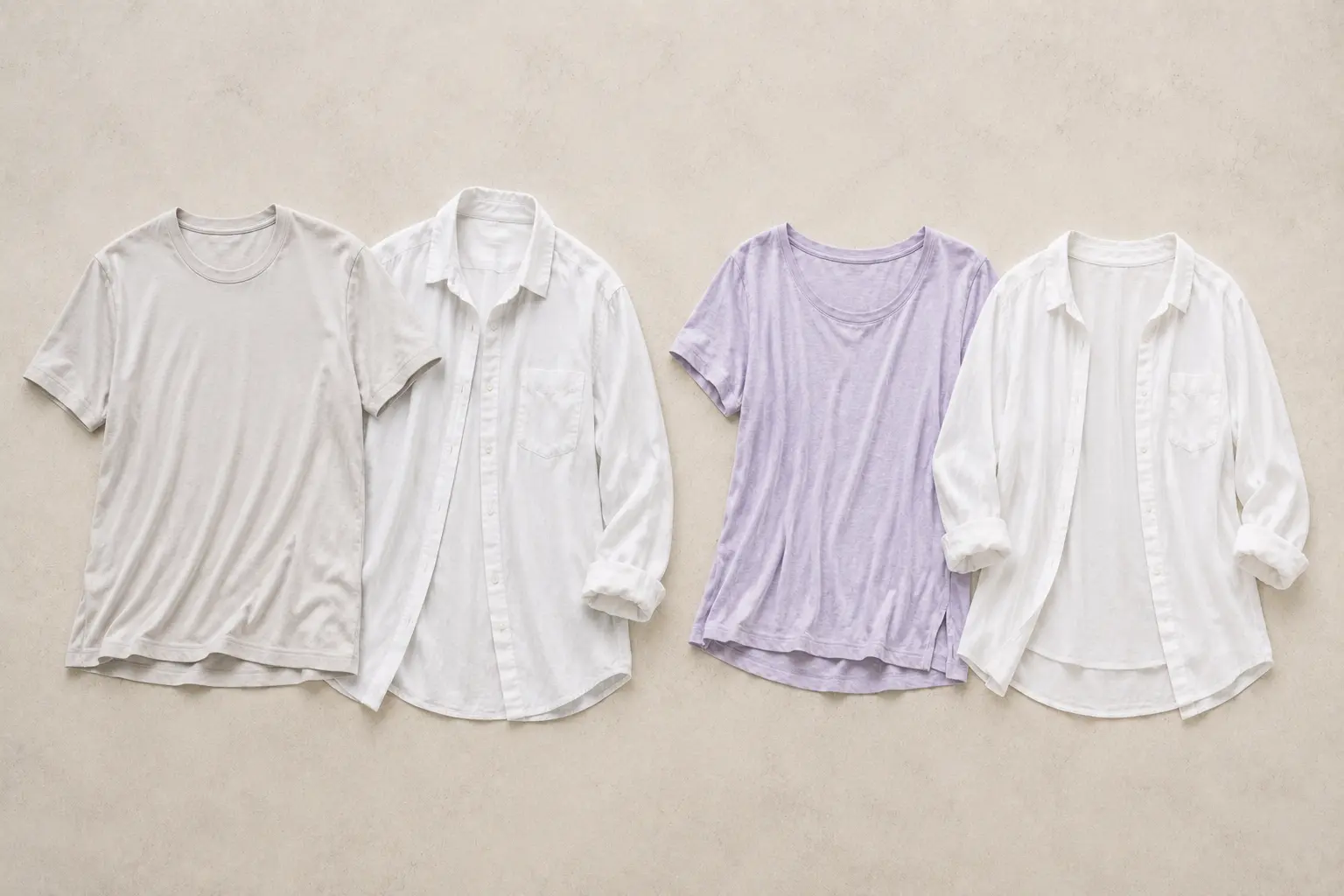
Cotton T-shirts can be a trap. They soak up sweat and rain, then stay damp for hours — which becomes genuinely unpleasant the moment you step onto a chilly, air-conditioned subway car. Instead, reach for linen-blend shirts, polyester-blend tees, or anything labeled "quick-dry" or "moisture-wicking." These fabrics handle both the outdoor humidity and the indoor deep freeze.
Short sleeves are the default, but always carry one lightweight long-sleeve layer — a thin cardigan, a linen button-down, or a packable windbreaker. Many Japanese buildings keep the AC surprisingly cool, and the temperature gap between a sun-baked Shibuya crosswalk and a department store basement food hall can easily hit 10°C (18°F). A layer you can throw on in seconds is the single most useful thing in your bag.
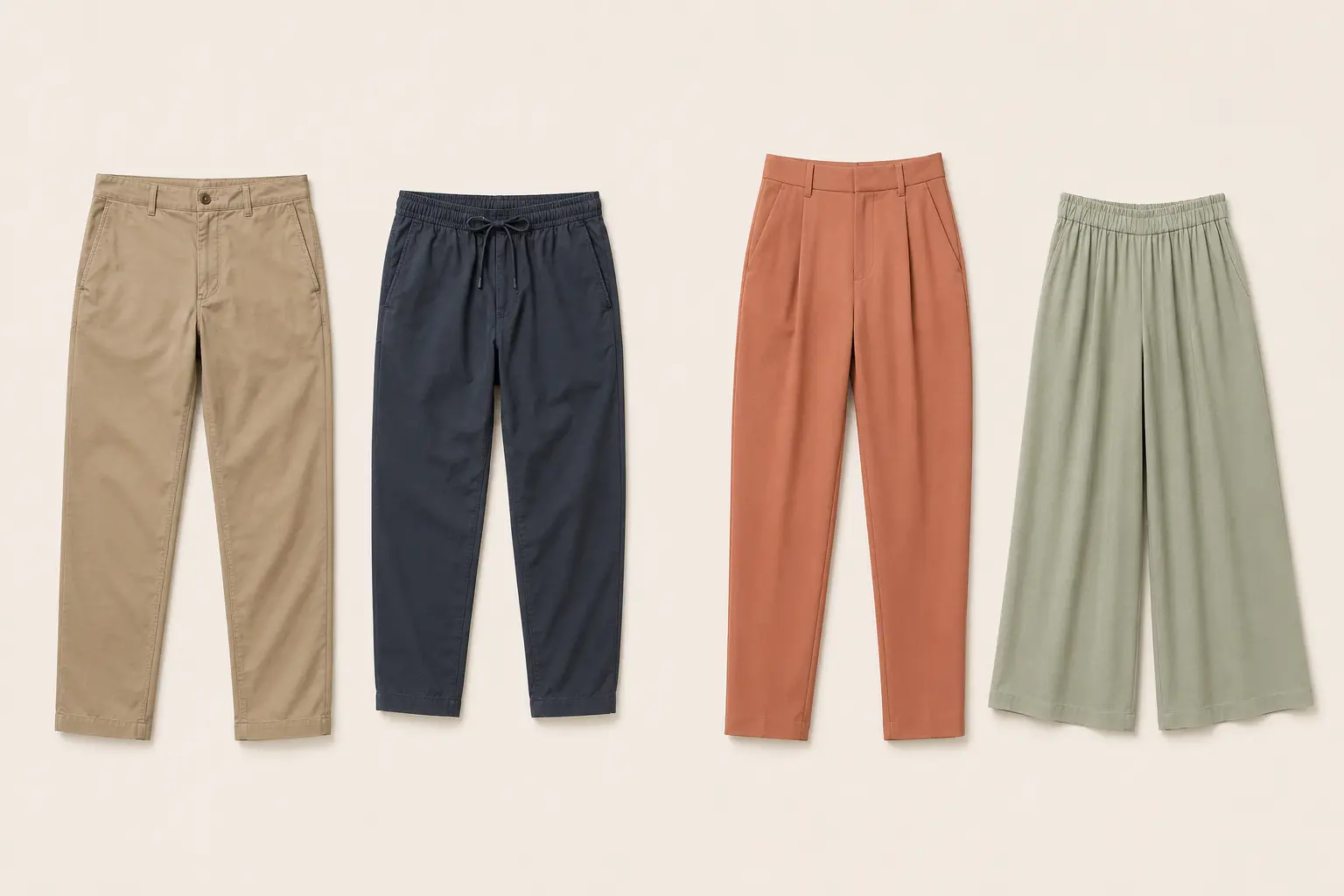
For bottoms, cropped trousers or ankle-length pants are your best bet. Full-length jeans drag in puddles, take forever to dry, and get heavy fast. If you prefer skirts or dresses, those work beautifully for airflow — just keep hemlines at or below the knee if you're visiting temples or shrines.
Footwear: Don’t Let Puddles Ruin Your Day
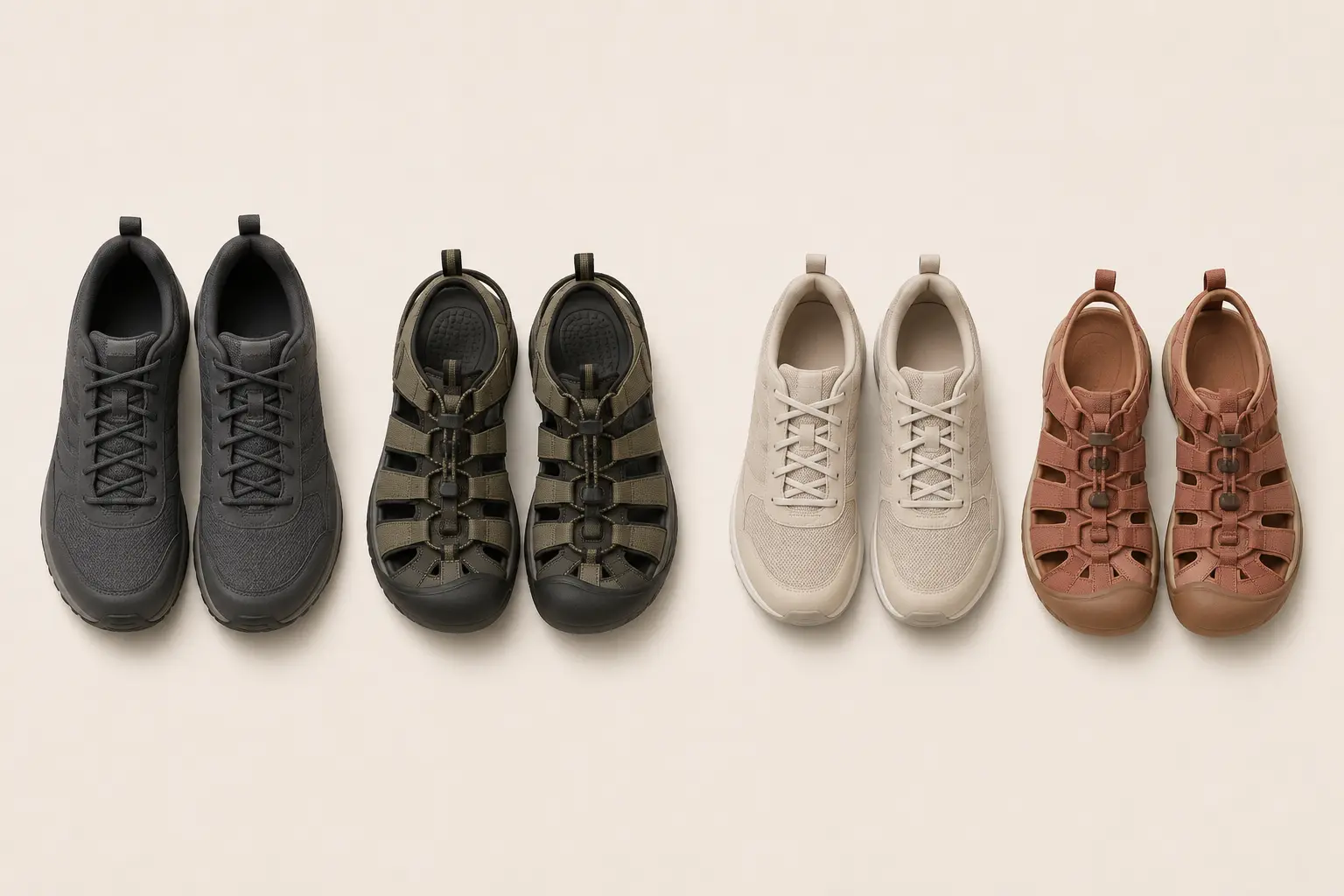
Japan's wet-season streets are an obstacle course of slippery station stairs, rain-glazed tile sidewalks, and unexpected puddles. Leather shoes and canvas sneakers absorb water like sponges and can take a full day to dry out. Water-resistant sneakers or sport sandals are the way to go.
If you go the sandal route, choose closed-toe styles. Japanese sidewalks are full of drainage grate edges and subtle curb steps that'll catch an exposed toe when you least expect it.
The Rainy-Season Packing Trinity
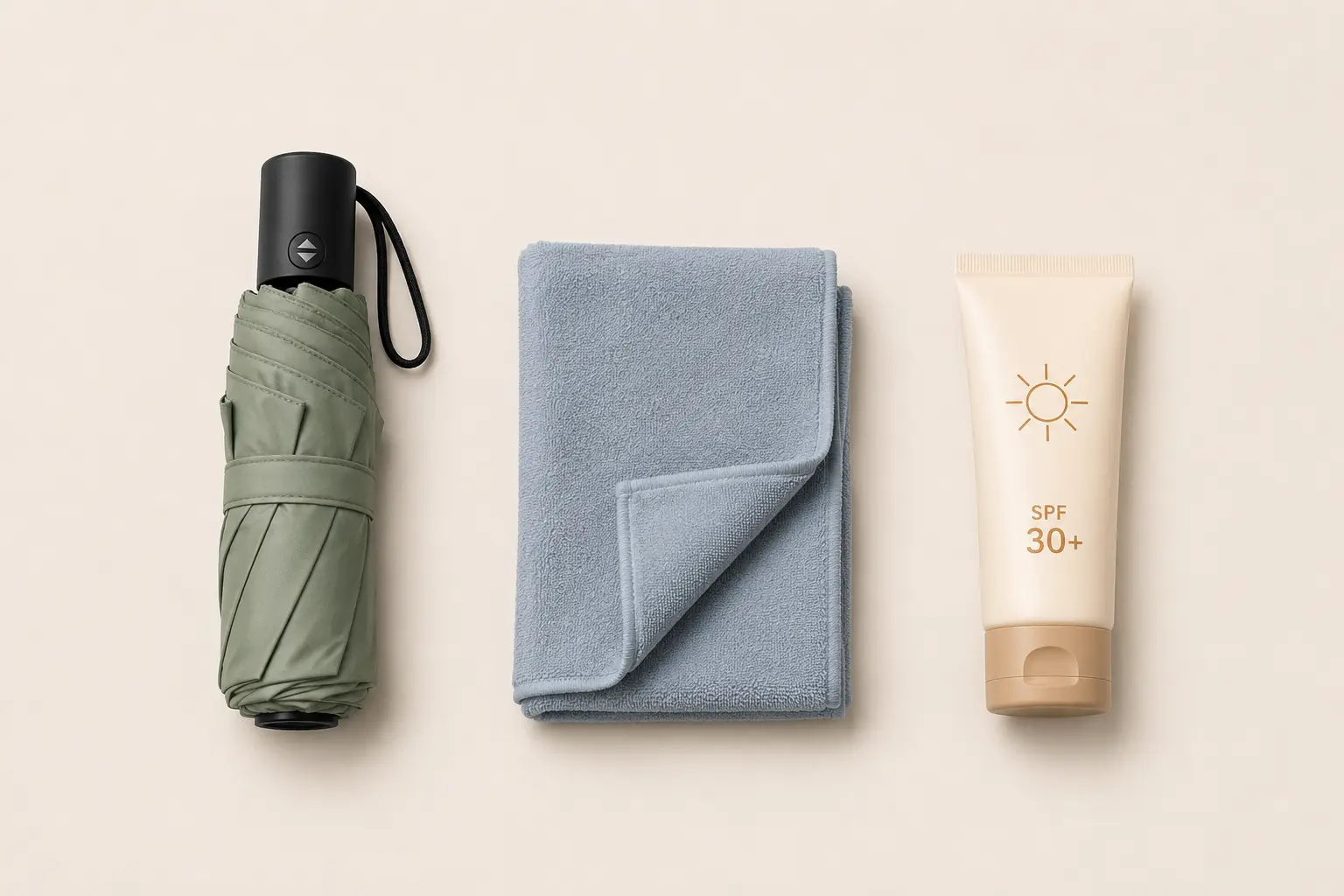
A sturdy folding umbrella. Yes, you can grab a clear vinyl umbrella from any convenience store for ¥500–1,000 — and millions of people do. But cheaper umbrellas can flip inside-out in a strong gust of wind and end up in landfills by the millions. Bring a compact auto-open/close umbrella that fits in your daypack.
A quick-dry towel. A microfiber travel towel is well worth the space in your bag during tsuyu. Use it to mop your face on a muggy platform, dry off after a surprise shower, or wipe down your seat at an outdoor ramen stand. Unlike a regular cotton towel, it dries in under an hour and never gets musty.
Sunscreen. This one surprises people. "It's the rainy season — why would I need sunscreen?" Because UV rays still pass through cloud cover, and on sunny breaks between the clouds, June UV levels in Japan can feel nearly as intense as midsummer. SPF 30 or higher, applied in the morning, saves you from the post-trip realization that you somehow got sunburned on an overcast day.
When Your Suitcase Can't Fit a Whole Rainy-Season Wardrobe
Quick-dry tops, a packable layer, water-resistant shoes — it adds up fast, especially if you're flying a budget airline with a strict 7 kg carry-on limit. One option worth knowing about is "Laplace closet," a clothing rental service designed for travelers in Japan. You choose items based on your travel dates, destination, and size — either browsing the catalog or using their AI-powered suggestions — and everything is delivered to your hotel’s front desk by check-in day. When you check out, you just hand the clothes back to reception — no laundry, no dry cleaning, no cramming damp layers into your suitcase. Rentals start at ¥400/day, which can be a smart trade-off when the alternative is checking a bag or buying clothes you’ll only wear for a week.

Regional Quick Tips
Tokyo & Kanto: Rainy season is expected to hit mid-June. City wind tunnels between skyscrapers can wreck flimsy umbrellas, so bring a sturdy one. You'll spend more time underground in subway stations and basement shopping malls — which means more AC exposure, so keep that extra layer within reach.
Kyoto & Osaka (Kansai): Kyoto sits in a basin, trapping heat and moisture like a natural sauna. Locals call it "mushi-buro" (steam bath) for a reason. Watch your step on the wet stone paths at temples — they get slippery. Lightweight, breathable fabrics are especially important here.
Okinawa: Okinawa enters rainy season about a month ahead of the mainland (typically mid-May), and usually clears up by mid-to-late June. If you time it right, late June in Okinawa means post-tsuyu sunshine and full summer weather. Swap the rain gear for a sun hat, sunglasses, and a rash guard.
Hokkaido: Hokkaido isn’t included in the JMA’s official rainy-season announcements, but some years bring what locals call “ezo-tsuyu,” a stretch of overcast, drizzly days. Temperatures hover around 15–22°C (59–72°F), noticeably cooler than the rest of Japan. A couple of long-sleeve layers and a light jacket are all you need.
Embrace the Rain
Rainy season gets a bad reputation, but June is genuinely one of the most rewarding times to visit Japan. Tourist crowds thin out dramatically, hotel prices drop, and the landscape takes on a lush, almost cinematic quality — rain-slicked Kyoto alleys, hydrangea gardens in full bloom, fireflies flickering along rural streams at dusk. With the right clothes and a good umbrella, tsuyu isn't something to endure. It's something to experience.
▶ Japan Meteorological Association — 2026 Rainy Season Forecast (tenki.jp)
▶ WeatherNews — Tsuyu 2026 Tracker
▶ MATCHA — Weather in Tokyo by Month and What to Wear
This article was translated from the original Japanese with AI assistance and reviewed by our editorial team. The Japanese version is authoritative.