Jigokudani Yaen-koen (地獄谷野猿公苑), high in the mountains of Nagano, is one of the very few places on earth where you can watch wild macaques sink into a natural hot spring. But the picture most people have in mind — a monkey up to its neck in steaming water, snow piling on its head — only comes together for part of the year, and even then it is never guaranteed on a given day. This is a wild troop, not a show.
So before you build a day around it, here is what to actually expect in 2026: when the monkeys bathe, what it costs, how to reach the park from Tokyo, and how to dress for the walk in.
Winter is your best shot, but the monkeys don't soak every day or all day. Check the park's live camera the morning you go, and give yourself time — this is wildlife, not a scheduled show.
Best time to see the monkeys in the water
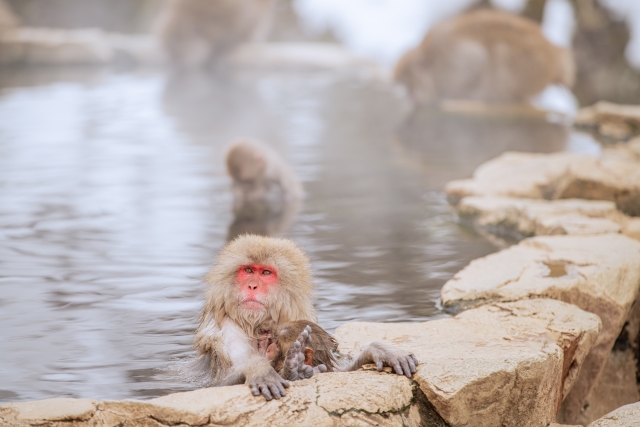
The park is honest about this on its own site: the monkeys do not use the baths at all hours of the day, nor throughout the year. Autumn in particular is unpredictable: the troop ranges widely and comes down to the spring less often.
Winter, roughly December through March, is the most reliable window. The cold tends to draw more of the troop into the water, and they stay in longer, which is when you see the classic scene. Even so, a warm, sunny winter day can mean fewer monkeys bathing, so treat any single visit as a good chance rather than a sure thing.
In summer the monkeys are still around, but they rarely get in the water; you are more likely to find them resting in the shade or along the trail. Whatever the season, the park runs a live camera you can check the morning of your visit to see whether the monkeys are near the spring.
Hours, admission, and closing days (2026)
Admission is paid at the gate on the day, and there is no reservation system. The rates and hours for 2026 are straightforward, but note that the park keeps different hours in the warm and cold seasons.
Admission (adult, 18 and over) | ¥800 |
|---|---|
Admission (child, 6–17) | ¥400 |
Children 5 and under | Free |
Hours (April–October) | 8:30–17:00 |
Hours (November–March) | 9:00–16:00 |
Last entry | Up to 30 minutes before closing |
Closing days | None — open year-round |
Tickets | Bought at the gate; no advance booking |
The park is open every day, but weather, the monkeys' movements, or a natural disaster can shorten the hours or close it at short notice. In heavy snow especially, give yourself margin and don't plan around the last possible entry.
Getting there from Tokyo
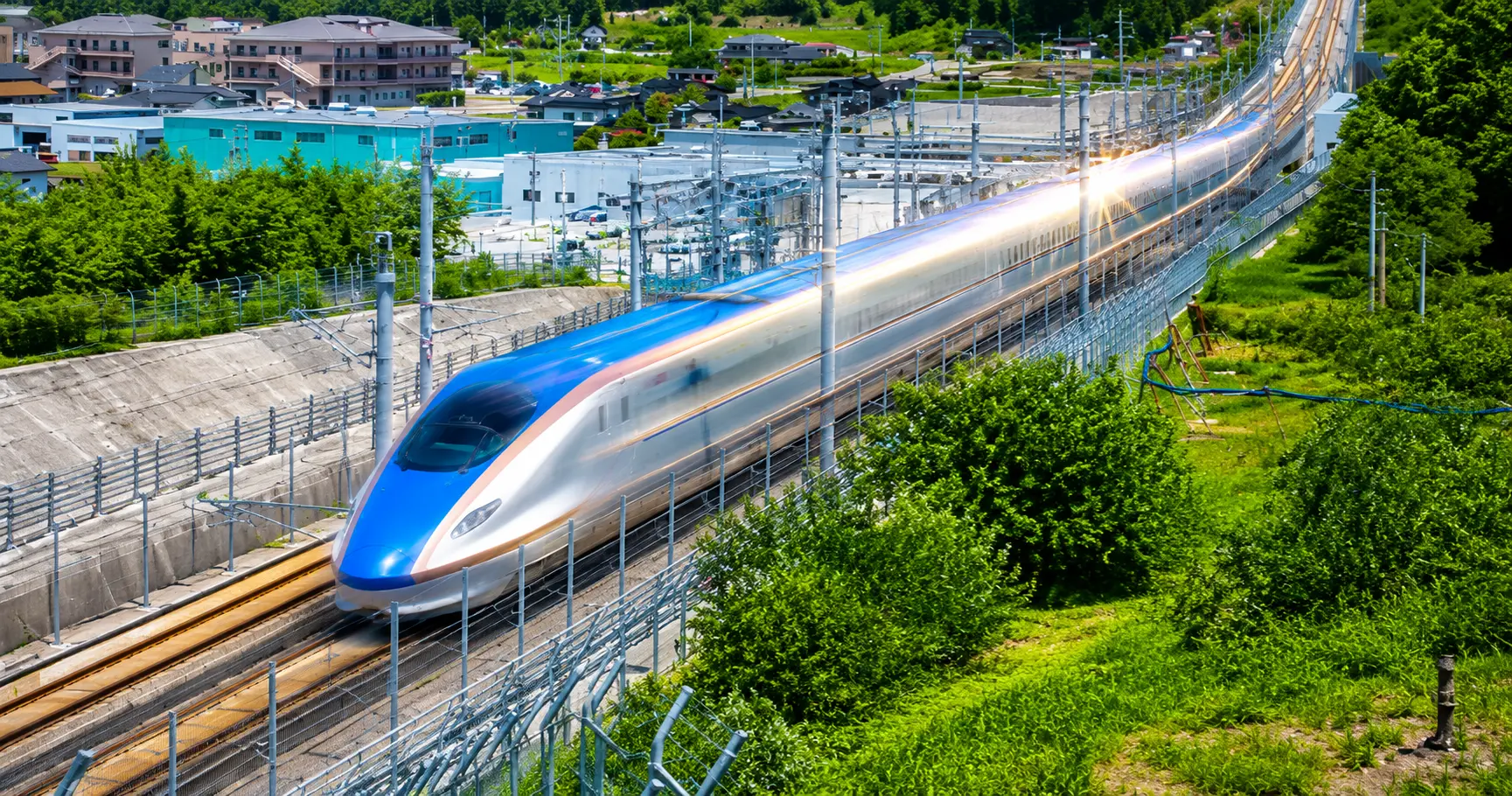
The trip is roughly three hours each way, but it is simple: a bullet train to Nagano, then a bus. A day trip from Tokyo is doable but long, and many visitors stay a night nearby instead (more on that below).
From Tokyo Station, the Hokuriku Shinkansen (the fastest is the Kagayaki) reaches Nagano in about 1 hour 20 minutes. A reserved seat runs around ¥8,300 one way; check JR for the exact fare, as it varies by train and season.
From Nagano Station's East Exit you have two ways in:
- The direct express bus (Nagaden's Shiga Kogen line) to the Snow Monkey Park stop takes about 40–50 minutes. The one-way fare shifts with the season: around ¥2,000 on the summer timetable and higher (about ¥3,000) in winter, so check the current fare before you go. Buy your ticket at the East Exit bus counter ("Aruyo"); there are no reservations and seating is first-come.
- Or take the Nagano Dentetsu limited express to Yudanaka (湯田中), about 38 minutes, then a local bus (about 15 minutes) to the park stop. This is the more scenic route.
Which Snow Monkey Pass to buy
There are two passes with almost the same name, and they are easy to mix up. They are sold by different companies and cover different routes, so pick the one that matches how you are traveling.
Snow Monkey Pass (railway) | Snow Monkey Pass for Bus | |
|---|---|---|
Sold by | Nagano Dentetsu (railway) | Nagaden Bus |
Covers | All Nagano Dentetsu trains + round-trip bus (Yudanaka ↔ park) + park admission | Round-trip direct express bus (Nagano East Exit ↔ park) + park admission |
Price (adult / child) | ¥4,800 / ¥2,400 (summer rate; see note) | Winter ¥6,800 / ¥3,400; summer ¥4,800 / ¥2,400 |
Where to buy | Ticket machines (Nagano, Yudanaka and other stations) | East Exit bus counter ("Aruyo") |
Best for | Riding the scenic train and stopping in Yudanaka | The fastest, most direct trip from Nagano Station |
The railway pass is valid only on the day you buy it, so pick it up the morning you head to the park. Its published sales window runs April–September and the price above is the summer rate, so if you are going deep in winter, check the current price and whether it is on sale at all.
For the bus pass, the higher winter fare applies from December 6, 2025 to April 6, 2026. If you are staying a night nearby and want to use it across two days, confirm its validity at the counter before you buy.
The walk in, and how to dress
From the bus stop and parking area it is roughly a 30–35 minute walk to the park entrance, on an unpaved forest trail with steps and uneven ground. It is not accessible by wheelchair or stroller. The approach from Kanbayashi Onsen (上林温泉) is about 2 km and takes a similar amount of time.
In winter that trail becomes packed snow and ice, and it takes longer than the signposted 30 minutes; ordinary sneakers are not enough. The park itself recommends hiking shoes in the warmer months and snow boots in winter, and suggests light crampons over your shoes for extra grip on the ice.
And it isn't only your feet. You are outdoors in the mountains the whole time, often below freezing, so a proper winter coat, gloves, and a hat matter as much as your footwear, both for the walk and for standing still by the spring while you wait for the monkeys.
If you are flying in from a warm climate, or you simply don't want to pack and carry a heavy coat and boots for a few cold days in Japan, renting winter clothing here is worth a look — you can travel light and still be dressed for the snow.

Dress for a cold, snowy hike, not a quick photo stop. Snow boots (or crampons over your shoes) and a warm coat are the difference between enjoying the walk and enduring it.
Rules at the park
The monkeys are wild, and the park's rules exist to keep both you and the troop safe. Break them and you can be asked to leave.
- Do not feed the monkeys, and do not show or hold food where they can see it.
- Do not touch them, keep your voice down, and don't make sudden movements.
- Don't stare into a monkey's eyes; a direct stare reads as a threat.
- If a young monkey comes close, step away rather than reaching for it.
- Pets are not allowed at all, including service dogs.
- You may take photos and use flash, but selfie sticks, drones, and placing a camera in the bath are all prohibited.
Making a trip of it: staying nearby
The park's base is the Kanbayashi and Yudanaka onsen area, with Yudanaka the transfer point on the way in. Many visitors stay a night in Yudanaka or the old streets of Shibu Onsen (渋温泉) and walk in first thing in the morning, when the trail and the spring are at their quietest.
An onsen town is also the natural place to warm up after a cold walk, and an early start beats both the tour buses and the harshest cold of the day.
Book hotels near Jigokudani Monkey Park here
Before you go: official links
For the current hours, rates, and the live camera, go straight to the source — these change with the season and the weather.
- Official site (English):
 JIGOKUDANI YAEN-KOEN【Official】
JIGOKUDANI YAEN-KOEN【Official】
Welcome , Japanese Monkey to the world
en.jigokudani-yaenkoen.co.jp - Nagaden Bus "Snow Monkey Pass for Bus": Snow Monkey Pass for Bus
- Nagano Dentetsu passes:
 nagaden-net.co.jp
各種乗車券 | 鉄道・駅の情報 | 快適生活サポート事業グループ ながでんグループ
長野電鉄の各種乗車券のご案内です。
nagaden-net.co.jp
This article was translated from the original Japanese with AI assistance and reviewed by our editorial team. The Japanese version is authoritative.