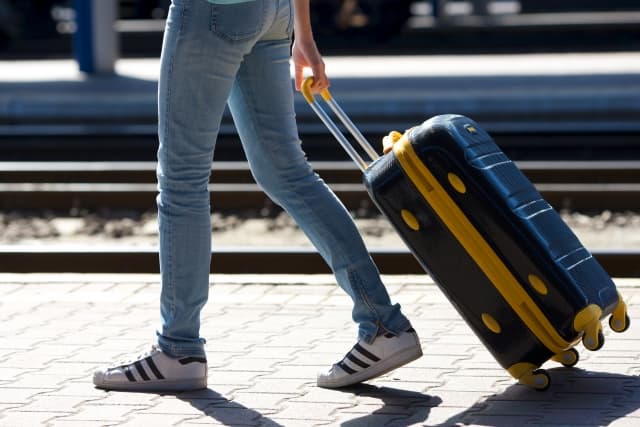
If you're visiting Japan in August, there's one word worth knowing: Obon. For a few days in the middle of the month, huge numbers of Japanese people travel back to their hometowns to visit family graves and honor their ancestors. It isn't a national holiday, but it's one of the busiest travel stretches of the entire year—and it can quietly wreck your plans if you don't see it coming.
Try to hop on a bullet train during Obon without a plan, and you may find reserved seats sold out weeks ahead and hotel prices climbing. Know the dates and how the system works, though, and you can plan around it easily. Here's when Obon 2026 falls, how it affects your trip, and what's open versus closed.
For the bigger picture of Japan's calendar this summer and fall, see Japan Public Holidays 2026 (Jul-Dec): Banks Close, Konbini Doesn't. It pairs well with this guide when you're mapping out August.
When Is Obon 2026?
In most of the country, Obon is observed in mid-August (the "August Bon"). Here are the key dates for 2026.
Date | Day | What it is |
|---|---|---|
Aug 11 | Tue | Mountain Day (national holiday) |
Aug 13 | Thu | Mukaebi — the welcoming fire, start of Obon |
Aug 14 | Fri | Middle of Obon |
Aug 15 | Sat | Middle of Obon |
Aug 16 | Sun | Okuribi — the sending-off fire, end of Obon |
Most companies treat August 13–14 as their Obon break and connect it to Mountain Day (山の日) on the 11th and the following weekend. Because Mountain Day falls on a Tuesday in 2026, adding the 12th gives many workers six straight days off, from the 11th through the 16th. Some take extra paid leave and stretch it out from around the 10th. Either way, this is the single most concentrated travel window of the year.
Timing varies by region, too. Parts of Tokyo, Kanagawa, and Kanazawa keep the "July Bon" on July 13–16. Okinawa follows the lunar calendar, so its dates shift yearly—in 2026, it lands around August 25–27. For trip planning, use mid-August as your reference point, since that's when the whole country moves at once.
So What Is Obon?
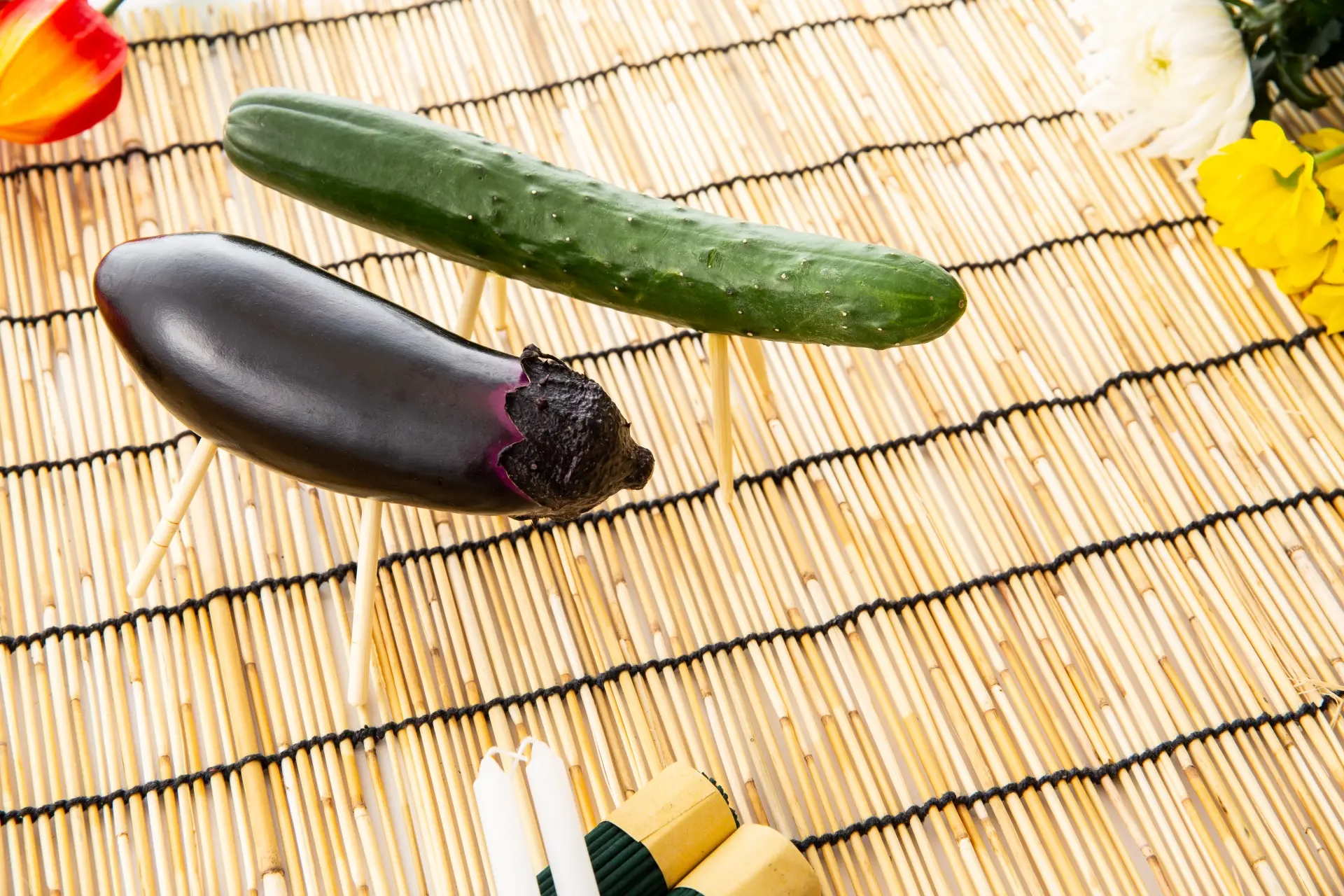
Obon is a Buddhist observance for honoring ancestors, whose spirits are believed to return home during this period. Families light a welcoming fire (迎え火, mukaebi) on the evening of the 13th and a sending-off fire (送り火, okuribi) on the night of the 16th. Some households display shoryo-uma (精霊馬)—a cucumber "horse" and an eggplant "ox" made with disposable chopsticks—so ancestors arrive quickly on the fast horse and leave slowly on the ox.
There's plenty for travelers to see, too. The most famous sight is Kyoto's Gozan no Okuribi (五山送り火), the mountainside bonfires that send the spirits off. In 2026 they're lit on the night of Sunday, August 16, starting with the giant "大" character at 8:00 p.m. and moving to the next fires every five minutes. Tokushima's Awa Odori dance festival (August 11–15) is another big event that overlaps with Obon, and local bon-odori dances pop up all over Japan through the season.
How Obon Affects Your Trip: Crowds, Prices, and Weather
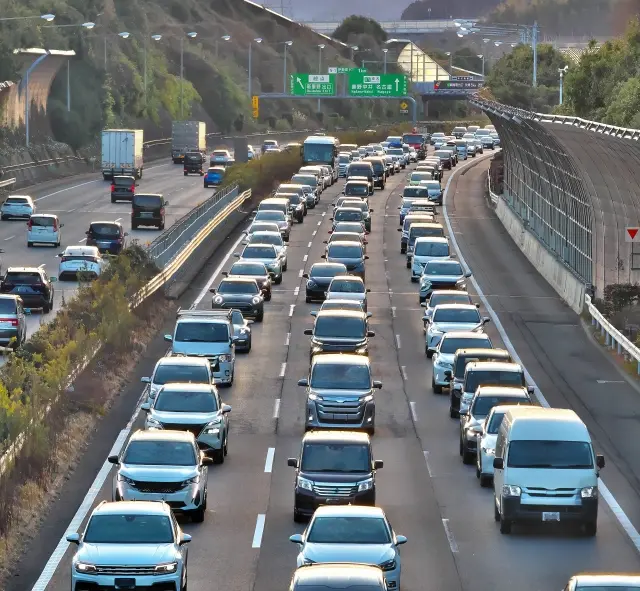
The thing you'll feel most during Obon is the crowding, and the way prices climb with it.
Travel splits into two waves: the "homecoming rush" out of the cities toward the countryside, and the "U-turn rush" back into the cities a few days later. Bullet trains, expressways, and flights all get squeezed—outbound first, return later. For a sense of scale, in 2025 the expressway companies forecast around 479 traffic jams of 10 km or more over the 11 days from August 7 to 17. The 2026 forecast is usually released in mid-July, so check the latest before you set out.
Reserved seats on the shinkansen fill up early. Hotels, domestic flights, and rental cars all get pricier and book out fast during this window. If your plans are set, lock in your seats and rooms as soon as you can.
One more thing: mid-August is also typhoon season. Japan's Meteorological Agency records the most typhoon approaches and landfalls in August and September, and trains and flights do get suspended. Because everything is already full during the peak, rebooking after a cancellation is hard. Build a little slack into your schedule and choose tickets and reservations you can change. The heat is relentless, too, so when you're outdoors, stay on top of your water intake and take breaks.
For the basics of riding the bullet train, see How to Ride the Shinkansen in Japan: A First-Timer's Guide for 2026 (Tickets, Luggage Rules & Etiquette); for traveling light, see Where to Store Luggage in Tokyo (2026): Coin Lockers, Bag-Drop Apps & Hands-Free Sightseeing.
Locking In a Reserved Seat
During the peak, gambling on unreserved cars is a bad bet. Here's how reserved seats work.
Sales open | 10:00 a. |
|---|---|
Advance request | "Pre-order" is possible via Ekinet and similar, but seats are only confirmed at 10:00 a. |
Japan Rail Pass | Reserve and collect seats at no extra charge |
Note | The pass is not valid on Nozomi or Mizuho trains (a separate ticket is required) |
Reserved-seat fees also shift with the season, and Obon runs expensive. On the Tokaido and Sanyo Shinkansen, August 13–14 cost ¥200 more than the regular fare and the 15th–16th cost ¥400 more. On JR East lines, August 11–19 all cost ¥400 more (all figures versus the regular-season fare). The exact amount depends on your line and date, so check when you book.
If you're traveling on a Japan Rail Pass, you can grab reserved seats for free at station ticket machines or a JR ticket office. During the peak especially, decide your train and reserve early. Not sure the pass pays off for your trip? See Is the Japan Rail Pass Worth It in 2026? Who Should Buy It—and Who Shouldn't.
What's Open and What's Closed During Obon
Japan doesn't shut down the way it does over New Year's. Most places run as usual. This is where people get tripped up, so here's the split between what stays open and what tends to close.
Type | During Obon |
|---|---|
Konbini, chain restaurants, big malls | Open as usual |
Major attractions and theme parks | Open (Tokyo Disney and USJ run too—expect crowds) |
Public transportation | Normal, sometimes extra service |
Bank and government counters | Counters open only on the weekdays Aug 13–14 (the 11th is a holiday; the 15th–16th are the weekend). |
Small independent restaurants and shops | May close for a few days for their own Obon break |
Small museums, workshops, rural shops | Irregular closures |
Obon itself isn't a public holiday, but in 2026 Mountain Day (the 11th) and the weekend fall inside the period, so bank and government counters are really only open on the 13th and 14th. Handle currency exchange and any in-person paperwork on those two days. ATMs and online banking work as normal throughout.
In short, big chains and tourist sites keep running; what tends to close are small, family-run shops. If there's a specific independent place you want to visit, check its hours in advance. Unlike New Year's, the trip itself never grinds to a halt.
A Quick Checklist for Visitors
Even during Obon, a little preparation keeps things smooth. Before you go, run through these.
- Book travel days and lodging early (reserved seats open one month out, at 10:00 a.m.)
- If you can, shift your travel a day or two off the outbound and U-turn peaks
- Expect possible typhoon suspensions—choose tickets and bookings you can change
- Do currency exchange and any government paperwork on Aug 13–14, when counters are open
- Send big luggage ahead or use coin lockers so you can travel light
- Visiting an independent shop? Confirm its Obon hours first
Obon is the one time of year when the whole country is on the move. Understand how it works, and you can dodge the worst of the crowds while still catching the sights that only come with the season—the sending-off fires and the bon-odori dances. Just get the dates and your booking timing sorted first.
This article was translated from the original Japanese with AI assistance and reviewed by our editorial team. The Japanese version is authoritative.