
Summer in Japan isn’t just hot—it’s hot and sticky. The humidity hits you the second you step outside, and if you’re sightseeing on foot all day, knowing how to handle it is the difference between enjoying your trip and feeling completely drained.
And it keeps getting hotter. According to the Japan Meteorological Agency, the summer of 2025 was the hottest since records began in 1898, running a remarkable 2.36°C above the long-term average. On August 5, Isesaki City in Gunma Prefecture hit 41.8°C—a new national record.
In some years, the rainy season ends much earlier than usual. In 2025, it ended unusually early in many regions, meaning serious heat can arrive as early as June. Don’t assume an early-summer trip will be mild.
This guide walks you through how hot it really gets, how to avoid heatstroke, where to grab cooling gear once you land, and exactly what to do if you start feeling unwell.
Note: all prices are rough, tax-included estimates and vary by store, season, and product. Information is current as of 2026.
Just how hot does it get?
In Tokyo, August averages around 26.9°C (the climatological normal), with daytime highs near 31°C; in recent scorching years, the monthly average has climbed into the 29°C range. That might not sound extreme on paper—but the real story is the humidity. Tokyo’s average August humidity is around 74%, so your sweat doesn’t evaporate and your body struggles to cool itself. That muggy, swampy feeling is the hardest part of a Japanese summer.
The peak runs from the end of the rainy season—usually mid-July—through early September, though some years it gets fierce as early as June. In the cities, heat radiating off asphalt and buildings pushes the “feels like” temperature even higher. Even the shade isn’t a guarantee in the middle of the day.
Make Japan’s heat alerts work for you
Japan measures danger with more than just the thermometer. It uses an index called WBGT, or Wet Bulb Globe Temperature, which factors in humidity, sunlight, and radiant heat to show how risky the conditions actually are for your body.
Based on that index, the Ministry of the Environment and the Meteorological Agency issue two warnings. The first is the Heatstroke Alert (熱中症警戒アラート), triggered when the predicted heat index in an area reaches 33 or higher. The second, more serious one is the Heatstroke Special Alert (熱中症特別警戒アラート)—introduced in 2024—issued only when the index is forecast to hit 35 or higher at every monitoring point in a prefecture, signaling truly dangerous, record-level heat.
For 2026, the alerts run from April 22 to October 21. As a traveler, you can check the heat index for 841 locations nationwide on the Ministry’s Heat Illness Prevention site (wbgt.env.go.jp), or add the Ministry’s official LINE account to get alerts straight to your phone. On alert days, keep outdoor plans light and duck into cool spaces often.
Seven basics for beating the heat
Even with no special gear, these seven habits help lower your heatstroke risk:
1. Drink before you’re thirsty, and sip often. If you’re sweating a lot, replace salt too, not just water.
2. Use air conditioning freely. Don’t tough it out—heatstroke happens indoors as well.
3. Avoid long stretches outdoors during the hottest hours (roughly 11 a.m.–3 p.m.). Shift sightseeing to mornings and evenings.
4. Block the sun with a hat, sunglasses, or a parasol, and walk on the shady side of the street.
5. Wear breathable clothing—linen or moisture-wicking fabric in light colors (see our June clothing guide).
6. Take frequent breaks somewhere cool: a department store, a konbini, a café.
7. If you feel even slightly off, stop. Resting beats sticking to your itinerary.
Where to buy cooling gear
Here’s the good news: you can travel light and pick up everything you need after you arrive. Once summer hits, every kind of shop—convenience stores, drugstores, 100-yen shops, electronics stores—sets up a summer cooling section, often labeled 暑さ対策 in Japanese. No need to stuff your suitcase. Here are the staples and where to find them:
Handheld fans (ハンディファン)
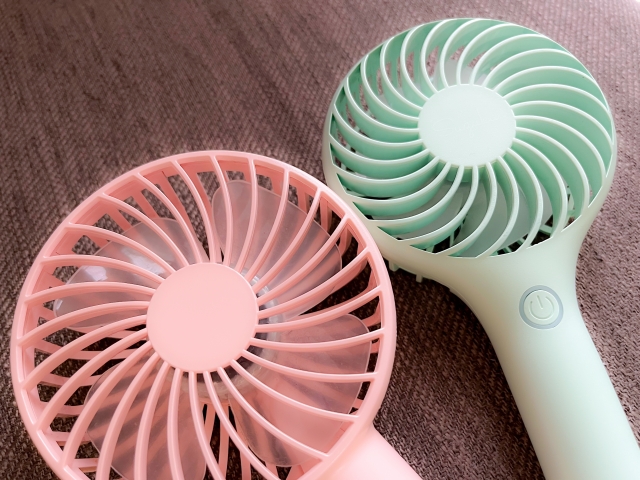
Handheld and neck-hanging styles are everywhere. Expect ¥1,500–3,500 at electronics stores, Don Quijote, Loft, or Hands; simple versions run ¥110–550 at 100-yen shops.
Neck coolers & cooling rings
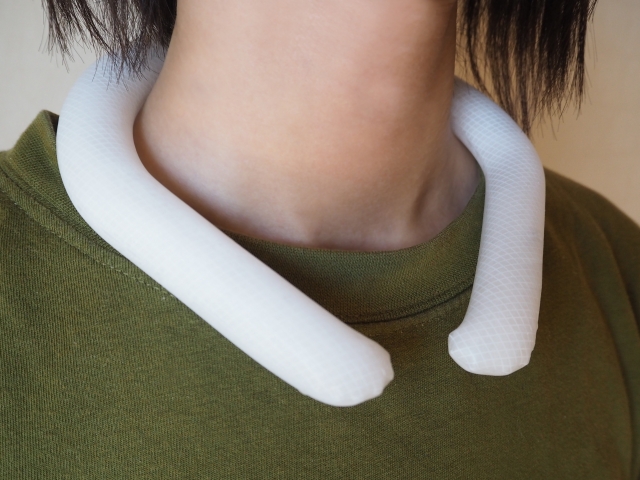
Wear one around your neck for instant relief. Find them at Don Quijote, Loft, sporting-goods stores, and 100-yen shops.
Cooling towels
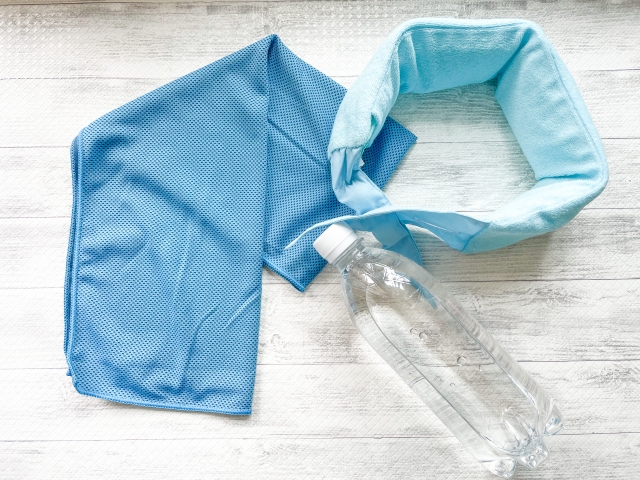
Wet them, wring them out, and shake them to activate the cooling effect. Sold at 100-yen shops (Daiso, Seria, Can Do), plus Nitori, Workman, Don Quijote, and drugstores for roughly ¥110–1,000.
Cooling gel sheets
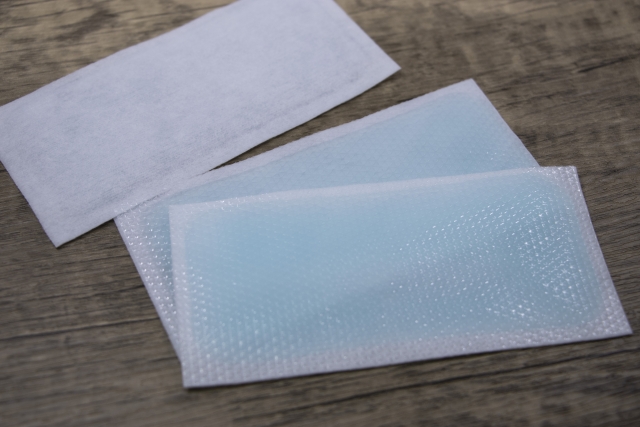
Stick-on sheets for your forehead or neck (brands like Netsusama Sheet and Hiepita). Grab them at any drugstore or convenience store.
Salt tablets & salt candy
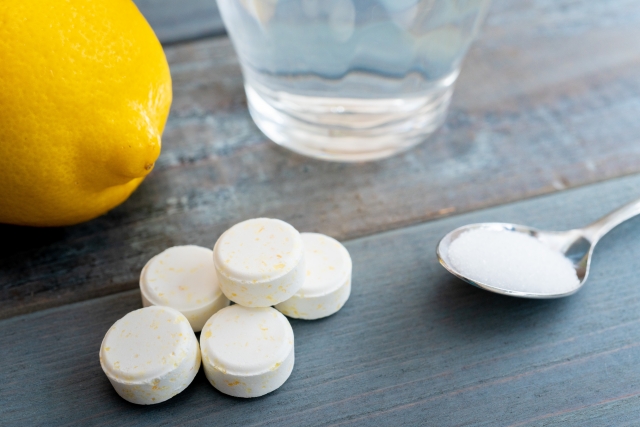
An easy way to replace the salt you sweat out. Found at convenience stores, supermarkets, and drugstores for about ¥150–400.
Oral rehydration drinks (e.g., OS-1)
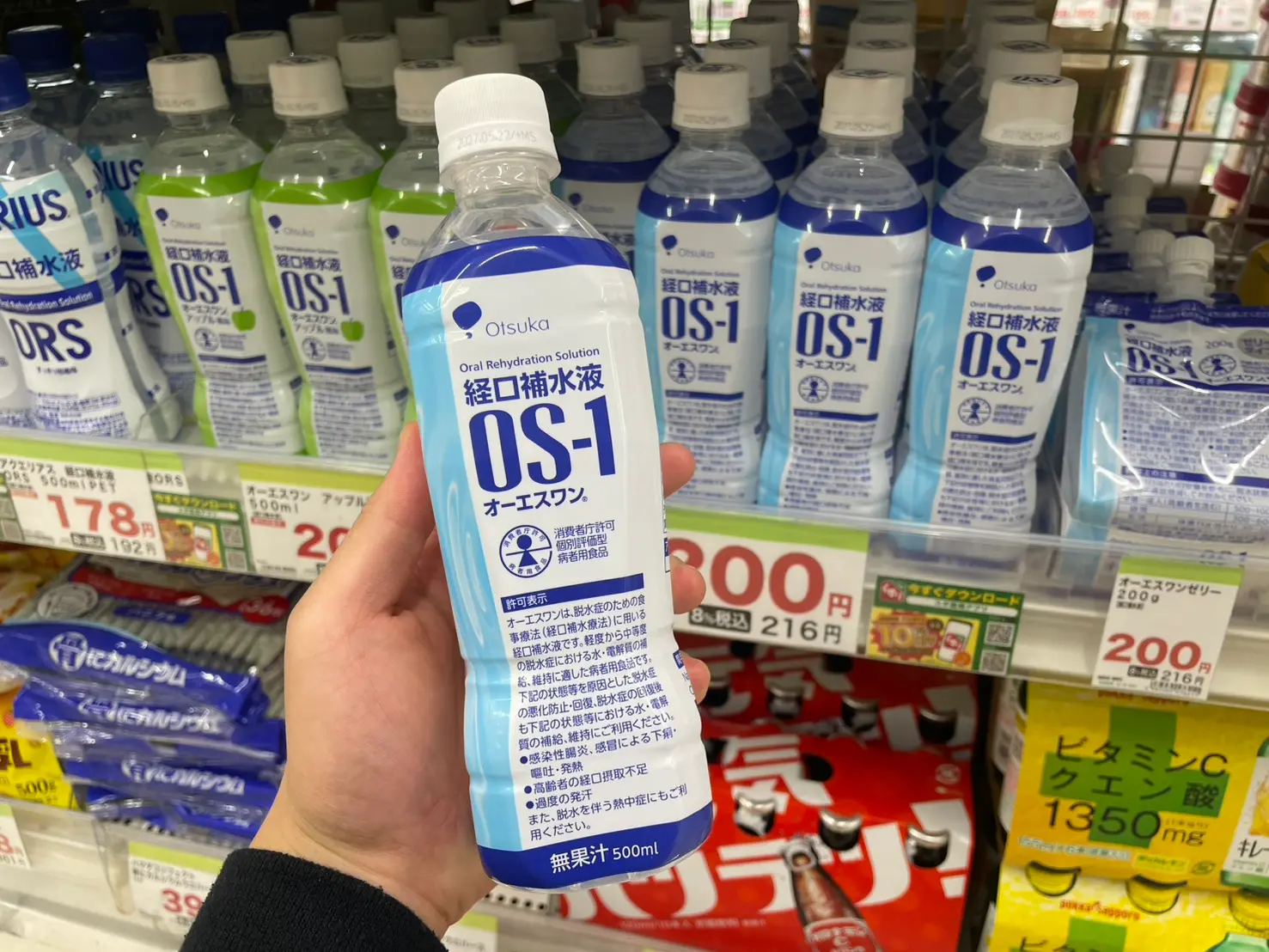
When you’ve been sweating heavily or feel dehydrated, these help replenish fluids and electrolytes. A 500 ml bottle runs about ¥200–300 at drugstores, some convenience stores, and Don Quijote. Keep in mind these are meant for when you suspect dehydration—for everyday hydration, plain water, tea, or a sports drink is plenty. If you have a chronic condition or are on a salt-restricted diet, be careful not to overdo it.
Cold drinks themselves are never far away, thanks to Japan’s convenience stores and vending machines on nearly every corner. Sip as you go.
Think you might have heatstroke?
Heatstroke isn’t something that only happens to other people—just walking around all day as a tourist can bring it on. Early warning signs include dizziness, headache, nausea, heavy sweating, fatigue, and weakness. Acting early matters.
Here’s the basic response recommended by Japan’s Ministry of the Environment and Ministry of Health. First, move to a cool place—an air-conditioned room or breezy shade. Loosen tight clothing and cool the body, focusing on the neck, armpits, and groin area with an ice pack or a cold bottle. If they can drink on their own, help them rehydrate with water and salt; an oral rehydration drink is a good option.
One critical exception: if the person seems confused, doesn’t respond normally, is unconscious, or can’t drink on their own, do NOT try to make them drink. Call an ambulance immediately. Japan’s emergency number is 119 (fire and ambulance). Don’t hesitate to ask a hotel front desk or shop staff for help—calmly give them your location.
Know your “cool escapes”
On a scorching day, the trick is not to push through it on foot but to duck into cool spaces regularly. The easiest go-tos are department stores, shopping malls, and underground shopping streets—free, air-conditioned, and often with restrooms and seating available. Convenience stores are everywhere and have cold drinks ready to go, while libraries, art museums, and cafés make comfortable refuges too.
There’s also an official safety net: “cooling shelters” (指定暑熱避難施設), air-conditioned places that local governments designate and open up while a Heatstroke Special Alert is in effect. Alongside public facilities like community centers and libraries, some areas also designate commercial facilities or pharmacies. Which places are available, and when, varies by municipality and facility, so on brutally hot days, check your local government’s information and make use of them. For more indoor ideas that also work in the rain, see our guide “Rainy-Day Tokyo: Where to Go.”
The bottom line
A Japanese summer is tough on the body—it’s the humidity, not just the temperature, that gets to you—but with the right precautions, it’s manageable. Stay on top of your hydration and salt intake, lean on air conditioning and shade, and pick up a few cheap cooling items once you arrive. Take cool breaks when the sun is at its worst, keep a relaxed pace, and you’ll be free to enjoy the best of the season: fireworks, summer festivals, and all that lush green scenery.
Related Articles on Summer Heat Tips
- What to Wear in Japan in June: Rainy-Season & Summer Packing Guide
- Best Japanese Sunscreen 2026: What to Buy & Where to Find It
- Where to Buy Rainy-Day Gear in Japan (2026 Rainy-Season Packing Guide)
- Rainy-Day Tokyo: Indoor Things to Do (great cool escapes, too)
▶ Ministry of the Environment — Heat Illness Prevention Site (heat index & alerts)
This article was translated from the original Japanese with AI assistance and reviewed by our editorial team. The Japanese version is authoritative.


