Nikko
About 1 hour 50 minutes from Asakusa by Tobu limited express. Beyond the town's World Heritage shrines and temples, the Irohazaka climbs to the Oku-Nikko highlands, home to Lake Chuzenji and Kegon Falls.
Highlights
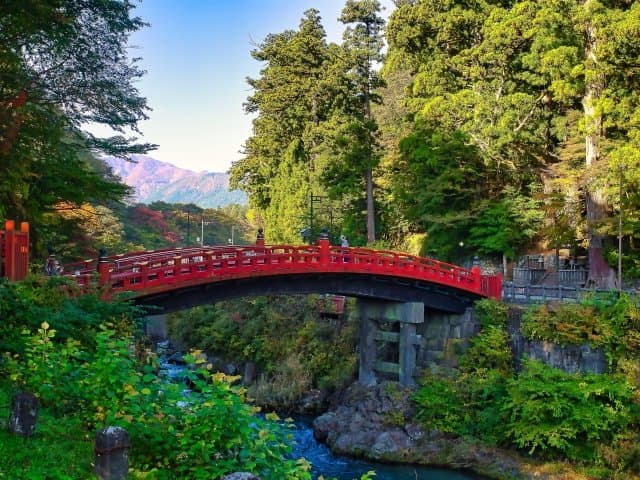 1. Shinkyo Bridge
A vermilion-lacquered wooden bridge over the Daiya River at the entrance to Nikko's sacred precincts. It belongs to Futarasan-jinja Shrine, and legend holds that a deity built it so the monk Shodo Shonin could cross.
Open in Maps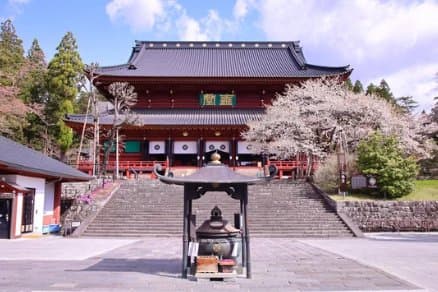 2. Nikkosan Rinnoji Temple
The temple of Nikko-zan, opened by the monk Shodo Shonin in 766. Its main hall, Sanbutsudo, is the largest wooden building in eastern Japan, and Taiyuin, the mausoleum of the shogun Tokugawa Iemitsu, also belongs to the temple.
Open in Maps- Book admission tickets
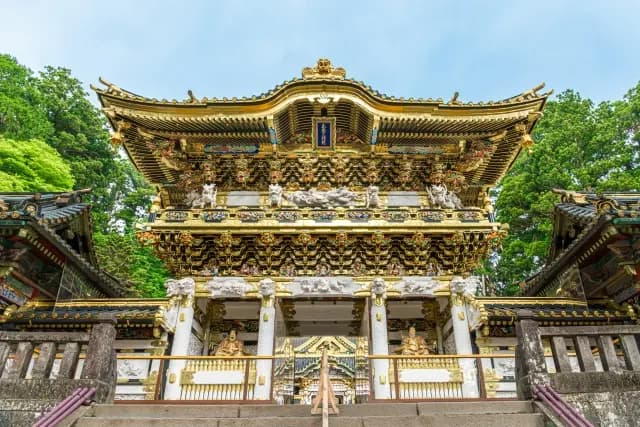 3. Nikko Toshogu Shrine
The shrine where Tokugawa Ieyasu, the first Tokugawa shogun, is enshrined. Its 55 buildings include the National Treasure Yomeimon gate, and its carvings include the sleeping cat and the three monkeys of "see no evil, hear no evil, speak no evil."
Open in Maps 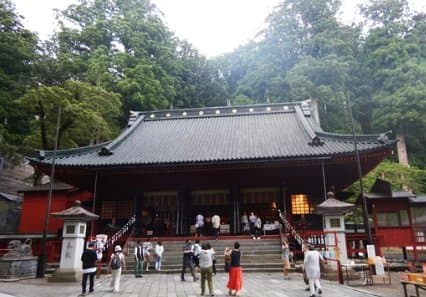 4. Nikko Futarasan-jinja Shrine
The shrine at the root of Nikko's mountain worship, venerating Mt. Nantai as its sacred body. Its grounds cover more than 3,400 hectares, taking in Kegon Falls and the Irohazaka.
Open in Maps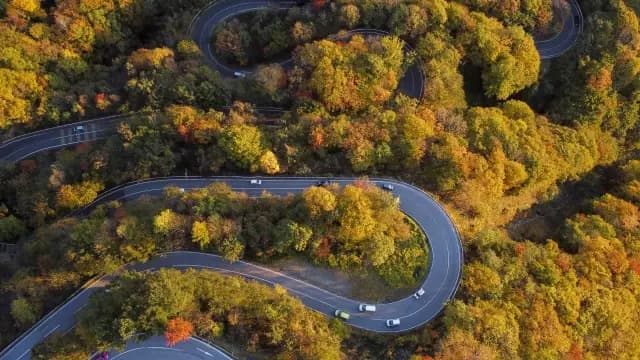 5. Irohazaka
The mountain road linking Nikko town with Lake Chuzenji and Oku-Nikko. The one-way First Irohazaka (down) and Second Irohazaka (up) count 48 hairpin curves between them, each signposted with a character of the old iroha syllabary.
Open in Maps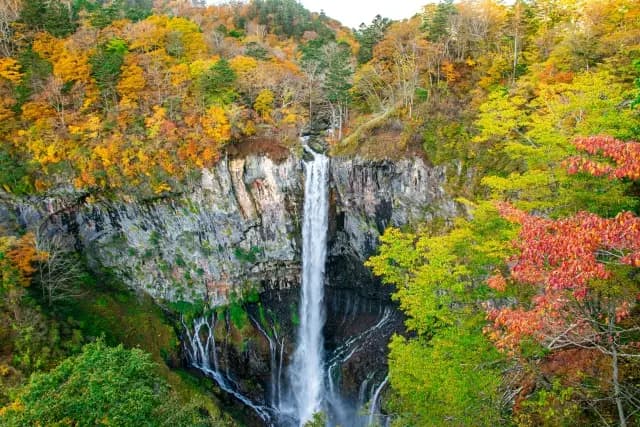 6. Kegon Falls
Water from Lake Chuzenji plunges about 97 meters down a sheer rock face, and the falls rank among Japan's three most celebrated. An elevator takes you down to a viewing platform near the base.
Open in Maps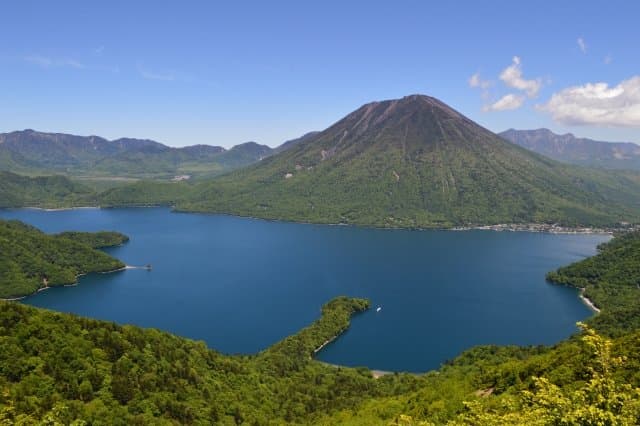 7. Lake Chuzenji
A lake at the foot of Mt. Nantai, 1,269 meters above sea level. From the Meiji era into the early Showa years, it drew foreigners as a summer retreat.
Open in Maps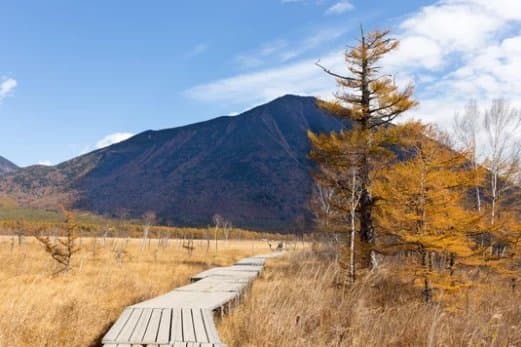 8. Senjogahara Plateau
Once a lake, now some 400 hectares of marshland registered under the Ramsar Convention. A nature trail runs through it, with a route you can walk in about two hours.
Open in Maps
Things to book

Getting there
| From Asakusa | Tobu limited express to Tobu-Nikko, about 1 hour 50 minutes on the SPACIA X. Every seat is reserved, so buy a limited express ticket in advance. Check the fare and express charge on Tobu Railway's official site. |
|---|---|
| From Shinjuku | The JR–Tobu through limited express SPACIA Nikko runs to Tobu-Nikko with no transfer. Just one train runs every day, joined by extra trains in some seasons; check times on JR East's timetable. |
| From Tobu-Nikko Station | For Lake Chuzenji and Oku-Nikko, buses bound for Chuzenji Onsen reach Chuzenji Onsen in about 50 minutes. On autumn weekends and holidays, traffic on the Irohazaka can make the ride far longer. |
Hotels
Staying in Nikko
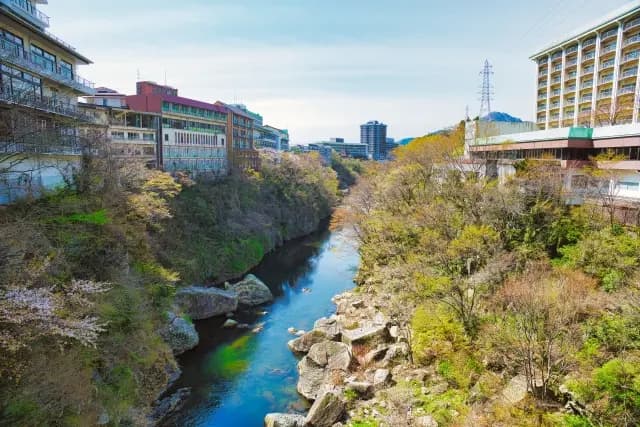
Where to stay: around Tobu-Nikko Station, Chuzenji Onsen and Kinugawa-Onsen Station
Links to booking sites include ads.
More on Nikko

Japan’s now, by email.
New dispatches from Glos Travel — seasonal events, new openings, and the small finds worth a detour. One click to unsubscribe, any time.