
Capsule hotels in Japan give you a compact, pod-style sleeping space for a few thousand yen a night. They suit travelers who miss the last train, want to keep a solo trip cheap, or like the idea of soaking in a large communal bath at the end of the day. But they work differently from a regular hotel, and a few things catch first-timers off guard.
This guide covers what to check before you reserve, with real examples from the main chains: nine hours (ナインアワーズ), FIRST CABIN (ファーストキャビン), Anshin Oyado (安心お宿), GLANSIT (グランジット), and Do-C (ドシー).
Before you book, sort out whether there is a women-only floor and where your suitcase will go — and, if you're arriving late, the curfew and last check-in time. Overlook them and you can get held up at the front desk on arrival.
Women-only floors and how to check
Most capsule hotels separate men and women, either by floor or with a keycard security gate. But how they do it varies a lot from place to place, so check the property's own page rather than assuming from the name.
Some chains designate entire branches for men or women. At Anshin Oyado, the Shinjuku South Exit, Akihabara Denki-gai, and Shinbashi branches are men-only, while the Ginza Shiodome and Shinjuku Ogikubo branches are women-only, and the Nagoya Sakae branch welcomes both.
There are also women-only properties and sections. nine hours runs a women-only branch, "Woman Kanda," and Akihabara BAY HOTEL is a women-only capsule hotel. GLANSIT, in Akihabara and Kyoto Kawaramachi, uses security gates to separate the men's and women's floors and provides amenities for female guests.
Look for "women-only" (女性専用) in the room name on the booking site, and confirm how the floors are split on the official page before you reserve.
Luggage and suitcase storage
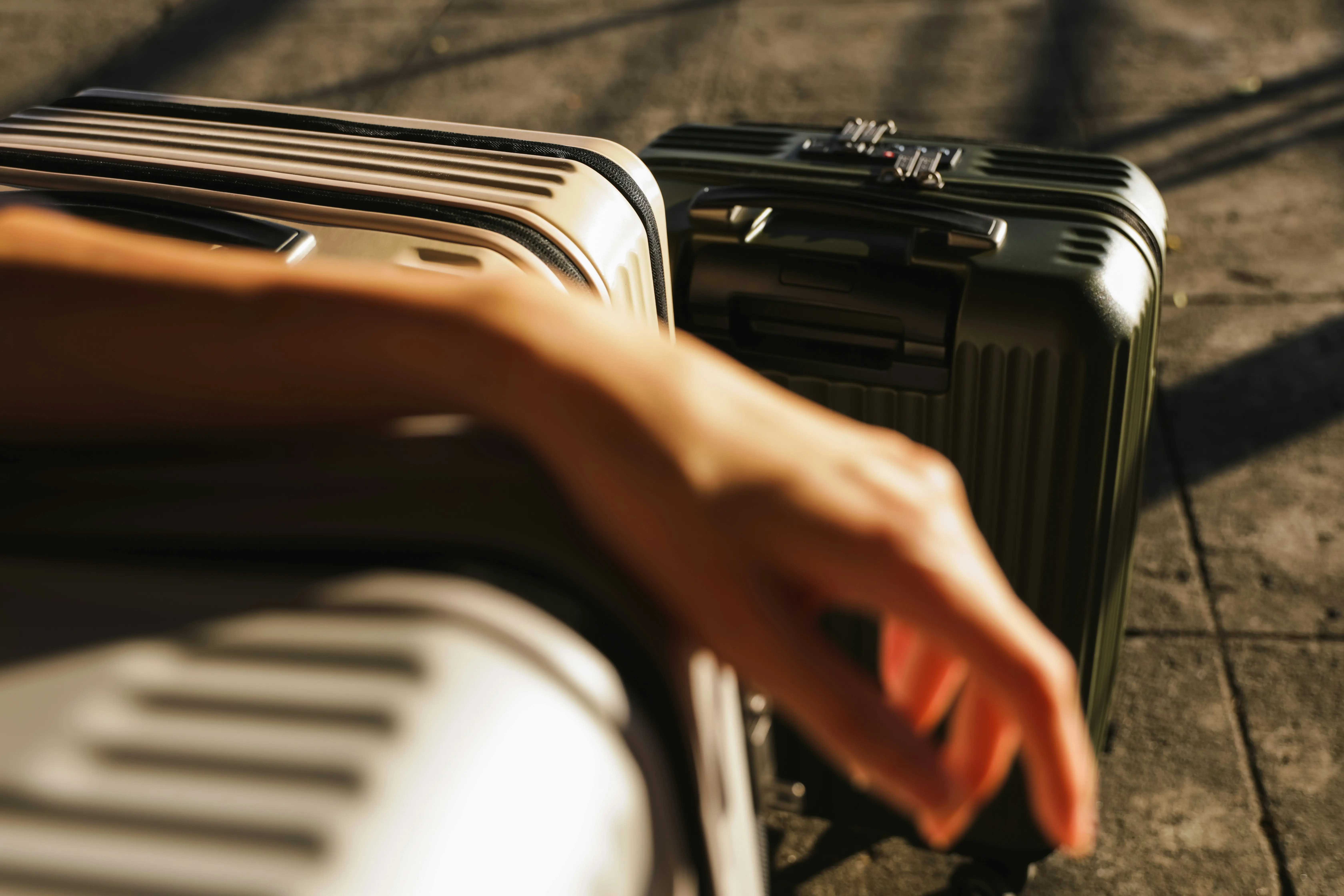
The inside of a capsule or cabin is a space for sleeping, so a large suitcase generally won't fit. When you arrive, head to the locker area to organize your bag, and hand anything that doesn't fit to the front desk. You can't leave it parked in the hallway or a shared area.
nine hours does not allow large luggage inside and holds oversized bags at the front desk. An April 2025 change ended luggage storage after checkout. Storage before check-in is still available, so you can drop bags before a day of sightseeing — just don't count on leaving them after you check out.
FIRST CABIN uses a slightly roomier "cabin" modeled on an airplane cabin, and each cabin has a lockable security box. You pick up a key at the desk and can leave bags on your accommodation floor. Locker sizes and whether a branch will hold luggage differ by property, so if you're carrying a big case, ask before you book.
Valuables, check-in times, and curfews
A capsule is usually closed off with a curtain or a roll-down screen, not a door that locks. So you manage valuables yourself, using the keyed locker or security box provided.
Keep your phone, wallet, and passport on you or inside a locked space. Most properties don't take responsibility for lost items.
Check-in and check-out times differ by property. nine hours checks you in at 3:00 p.m. and out at 11:00 a.m., and check-in moved from 2:00 to 3:00 p.m. in April 2025 (the Narita Airport branch is an exception, with different check-in and check-out times). Anshin Oyado checks you in at noon and out at 3:00 p.m., with stays of up to 27 hours.
Some properties also block off a cleaning window when the pods can't be used. nine hours sets aside a daily cleaning period from 11:00 a.m. to 3:00 p.m. (10:00 a.m. to 2:00 p.m. at the Narita Airport branch), when capsules and lockers are off-limits.
Curfews vary too. FIRST CABIN has no curfew and lets you come and go anytime. That said, its airport branches follow the terminal's operating hours and close for part of the night and early morning. If you're arriving late, look up the curfew and the last check-in time first.
Nightly rates and surge pricing
Capsule hotels start from around ¥2,000 a night at the cheaper end, with roughly ¥4,000 as a typical city rate. Low prices are part of the appeal, but rates fluctuate from day to day.
More properties now use demand-based pricing, and during major events or long weekends, a central-Tokyo property that normally costs about ¥5,000 can climb past ¥20,000. Anshin Oyado sits at the deluxe end — the rate includes a large bath, sauna, and breakfast — and starts at ¥6,180, or ¥6,480 at the Nagoya Sakae and Shinjuku South Exit branches.
Rates fluctuate, so check the latest price on each chain's official booking page. Treat the figures here as a rough guide.
Baths, saunas, and house rules
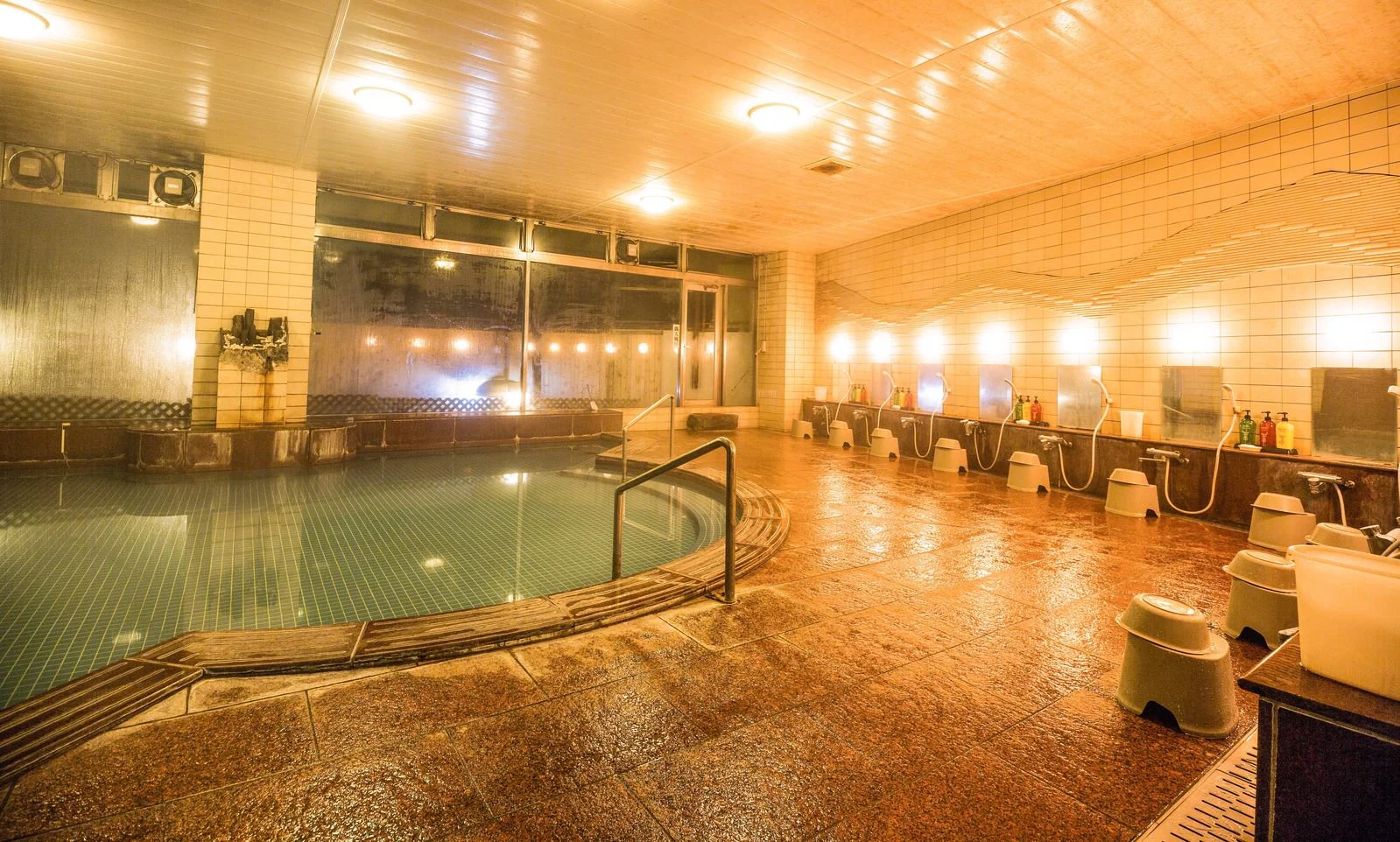
Some properties have a large communal bath and sauna; others don't. Anshin Oyado includes an artificial hot-spring bath and sauna in the rate, and Do-C Ebisu is built around a Finnish-style sauna. FIRST CABIN has a large bath at most branches — a few, such as Naha Airport and Matsue, are exceptions — and a sauna at some. nine hours, on the other hand, mainly offers showers and lists no large communal bath in its official guide.
If a communal bath is what you're after, the property page lists which branches have one.
House rules are where first-timers trip up most. nine hours asks guests to keep conversation, phone calls, and noisy devices to a minimum inside. Sound carries easily inside a capsule, so take calls away from the capsules and stay quiet after lights-out. Shoes come off indoors, and you change into slippers and the loungewear provided.
At properties with a communal bath, you may be turned away if you have a tattoo. It depends on the property, so ask in advance to be sure. For more, see Can you enter an onsen with a tattoo? A guide to tattoos at Japan's hot springs and public baths.
Booking and your passport
You can reserve a capsule hotel on each chain's official site, as well as through booking sites like Rakuten Travel, Jalan, and Booking.com. You can sometimes get a bed without a reservation if there's space, but rooms fill up and prices rise around long weekends and major events. If your dates are set, book early to be safe.
At check-in, you'll be asked to show your passport. A foreign guest without an address in Japan is required by law to present their passport, and the hotel keeps a copy alongside the guest register. The test is whether you have an address in Japan, not your nationality, so keep your passport handy.
Chains like nine hours and The Millennials (ザ・ミレニアルズ) increasingly have English sites and signage. Even so, English can be limited at smaller properties, so checking the house rules and available facilities on the official page before you book is the surest way to arrive knowing what to expect.
This article was translated from the original Japanese with AI assistance and reviewed by our editorial team. The Japanese version is authoritative.