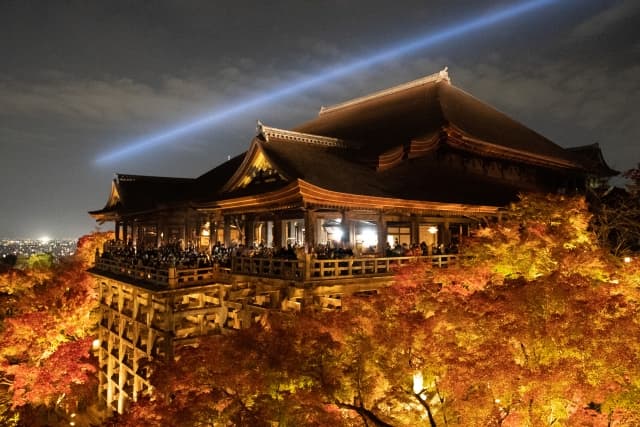
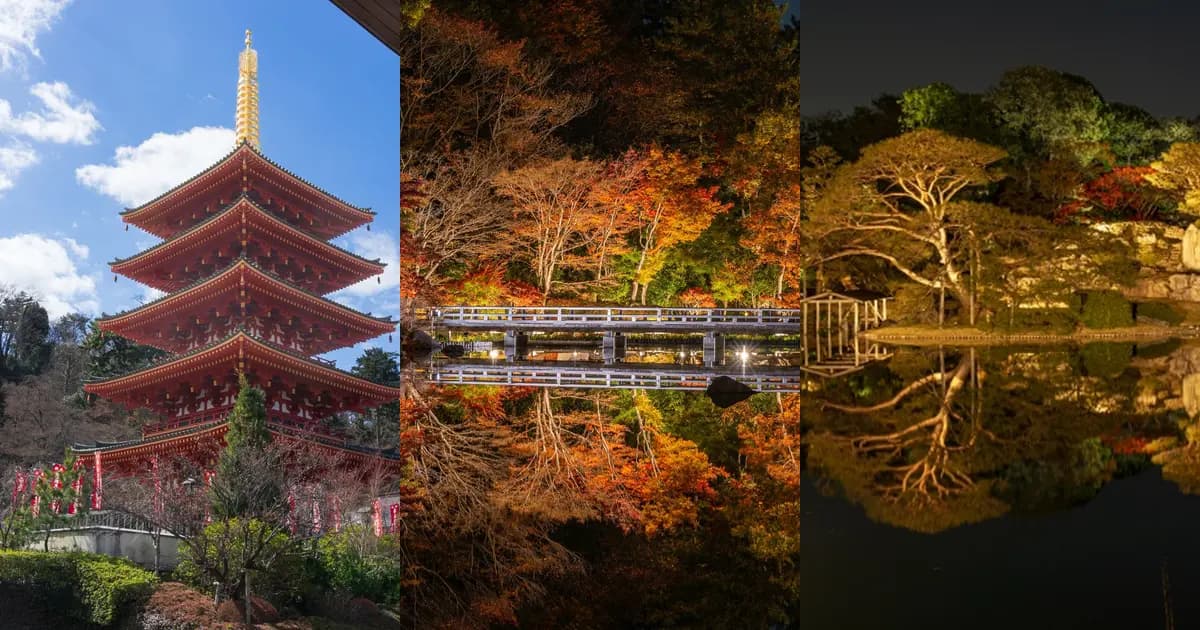
There's almost no single day when all of Hakone is at peak color at once. Kintoki-yama, above 800 meters, turns close to a month earlier than Hakone-Yumoto down around 100 meters. If you don't decide which elevation you're aiming for before you go, it's easy to show up and find the maples still green, or already bare.
This guide covers the 2026 Hakone autumn season the way you actually plan it: when each elevation usually peaks, where to see the color, and the two things that trip people up on the day itself — whether Owakudani and the ropeway are running, and whether the Hakone Free Pass (箱根フリーパス) is worth buying. Planning a wider fall-foliage trip around Kanto too? Start with Japan Autumn Leaves 2026: Peak Calendar and the Best Spots by Region.
In Hakone, "pick one elevation and time it" beats "see everything in one day."
Peak timing by elevation
The Hakone Town Tourist Association tracks the color in the order it turns, from the high peaks down. The dates below are the usual pattern; the 2026 forecast hadn't been published as of this writing, so check the association's site for how the season is actually moving along before you travel.
Area (rough elevation) | Usual peak |
|---|---|
Kintoki-yama, Kamiyama, Kammuri-ga-take (high) | from late October |
Sengokuhara, Moto-Hakone, Lake Ashinoko (around 700 m) | early November |
Gora, Kowakidani, Miyanoshita (mid-slope) | mid-to-late November |
Hakone-Yumoto, Tonosawa, Ohiradai (low) | late November to early December |
If you only get one visit, pick the elevation that matches your date rather than the other way around. Early November points you to the shore of Lake Ashinoko, mid-to-late November to Gora, and late November onward to the area around Hakone-Yumoto.
Where to see the color
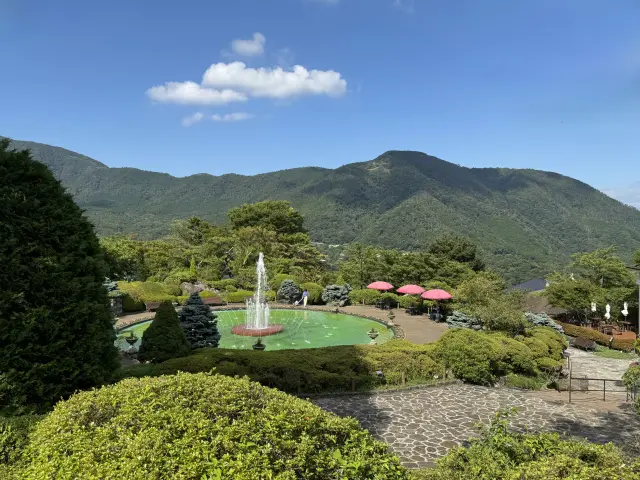
Gora (強羅) is the one area to prioritize if you only have time for one. Hakone Gora Park (箱根強羅公園) fills with maples; admission is 650 yen for adults and free for elementary-school children and younger. In November it's open 9:00 to 17:00, with last entry at 16:30.
The Hakone Museum of Art (箱根美術館) is Gora's big-name foliage draw. It is closed for renovation from May 7 through October 29, 2026 — still shut as of September 18 — and reopens with a pre-opening on October 30, in time for the heart of the foliage season.
The reopening comes in two stages. October 30 brings a new cafe in the rest house and the annex gallery; the main gallery stays shut until December 23. Visit in November and the draw is the garden, not the collection.
The museum's own Instagram says the Oku-niwa, an inner garden normally closed to visitors, will open as well. The art magazine Bijutsu Techo reported on September 2, 2026 that the moss garden and Sekiraku-en, both part of the Shinsenkyo garden, will also be open for the autumn color.
Standard hours are 9:30 to 16:30, with last admission at 16:00, and the museum has closed on Thursdays (staying open when a public holiday falls on one). In November 2026 that means November 5, 12, 19 and 26; the month's two holidays land on the 3rd and the 23rd, so none of those four Thursdays is covered by the exception.
Before the renovation, admission was 1,430 yen for adults, 660 yen for high-school and university students, and free for junior-high students and younger. Whether prices or closing days change after the renovation has not been announced, so check moaart.or.jp before you set out.
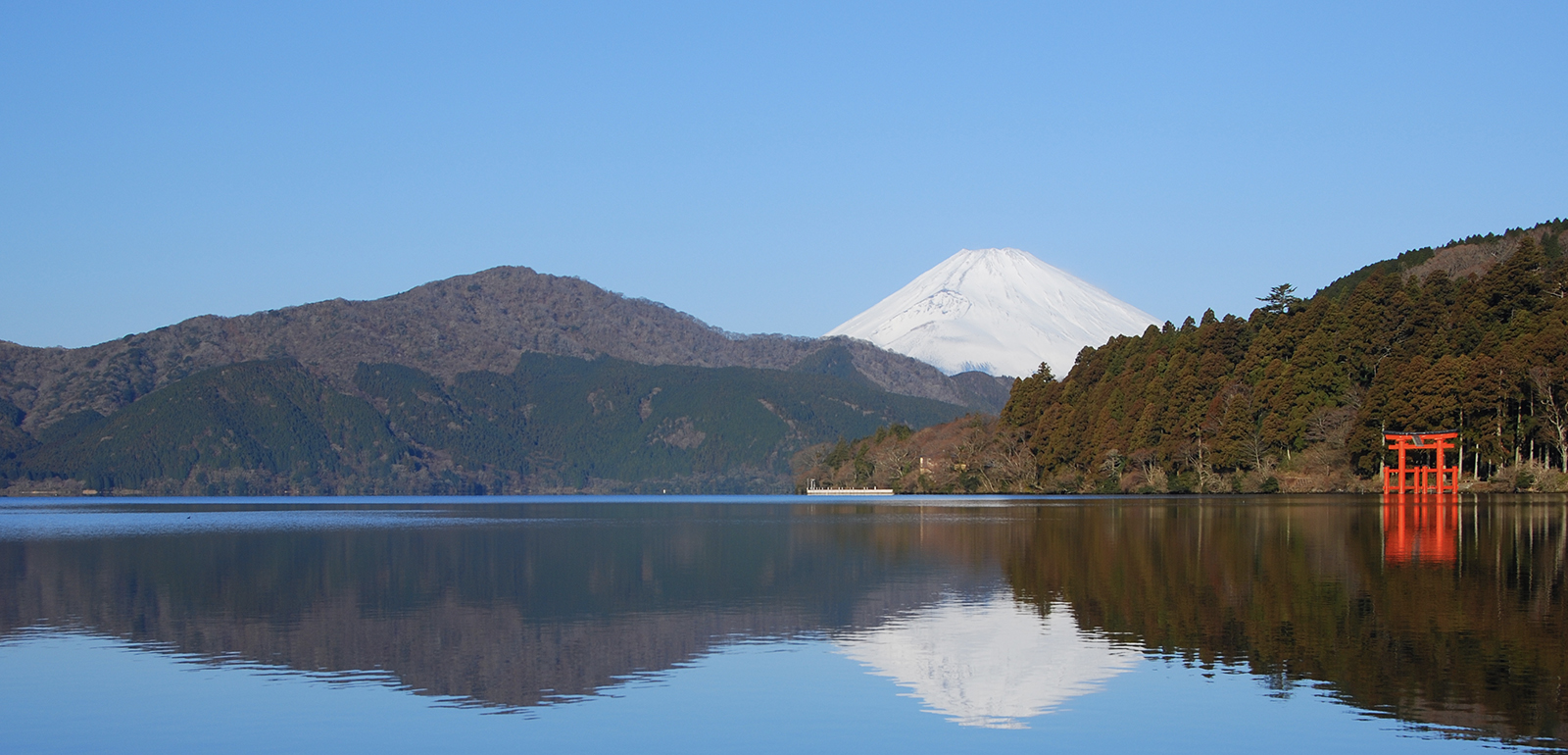
Moto-Hakone and the Lake Ashinoko shore (元箱根・芦ノ湖) are for anyone who wants Mt. Fuji and the maples in one frame. From spots like Onshi-Hakone Park (恩賜箱根公園) you can line up the color against Fuji across the lake.
Sengokuhara (仙石原) is best known for its silver-grass field, but the pampas grass turns golden from late September to early November, earlier than the maple peak. Catching both on the same day is a stretch, so it's easier to decide which one you're really there for and visit them on separate days.
Owakudani and the ropeway: day-of status
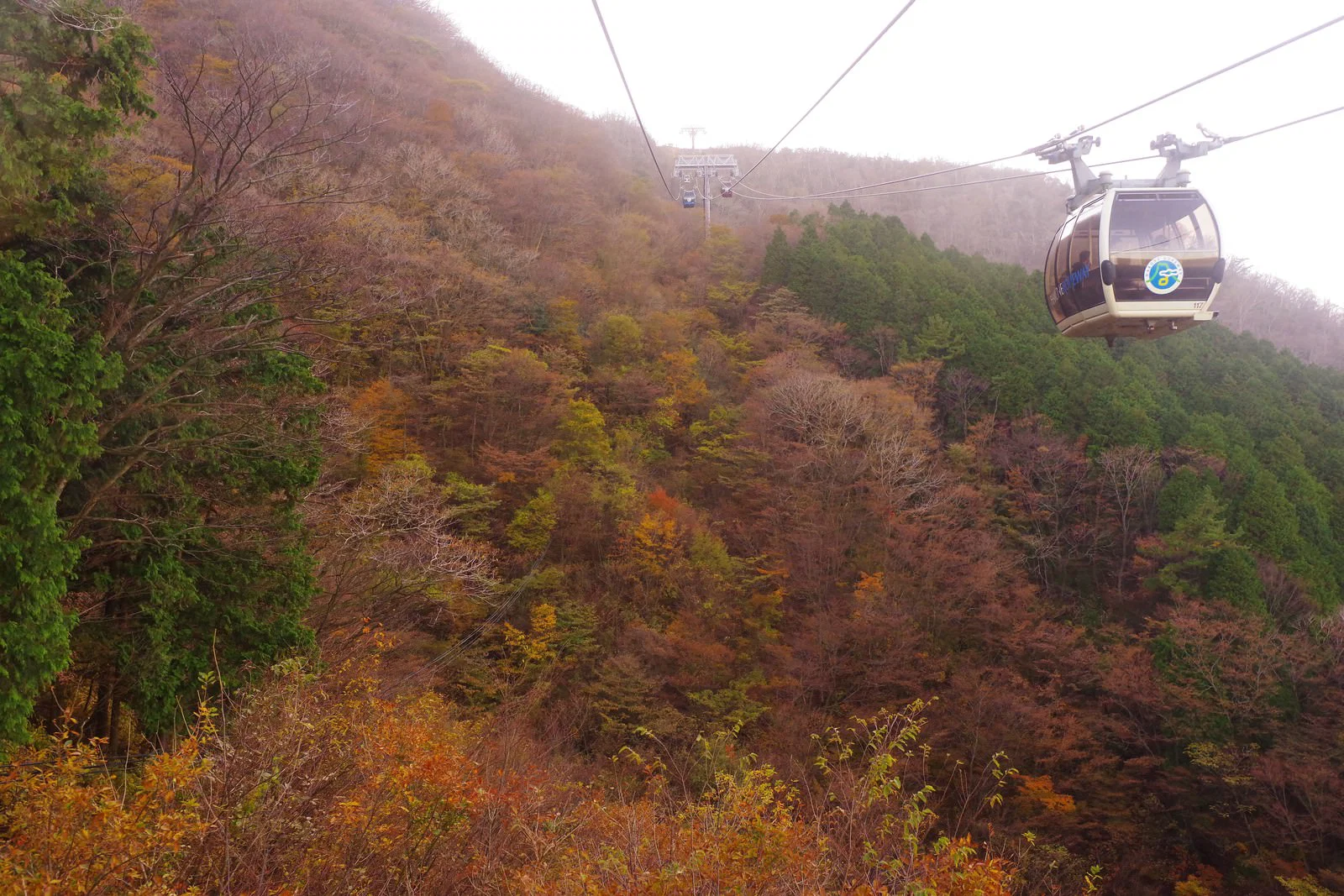
The least predictable part of a Hakone foliage trip is Owakudani (大涌谷) and the Hakone Ropeway. Owakudani sits right by the crater of an active volcano. On days when volcanic gas levels rise, you may not be able to get off at Owakudani Station, and stretches of the walking trails can close.
As of August 2026, the volcanic alert level for Mt. Hakone is 1 ("potential for increased activity"). The Hot Springs Research Institute of Kanagawa Prefecture noted a brief rise in earthquakes and a shift in gas composition around June and July, followed by mostly normal conditions. Even so, no one can lock down what November will look like.
Whether Owakudani and the ropeway are running changes day to day. Check the operating status and the alert level before you build your route, not after.
Check two sources before you set out: the Japan Meteorological Agency's Mt. Hakone page for the alert level, and Hakone Navi's operating-status page for ropeway suspensions, volcanic gas, and crowds. The ropeway usually runs 9:00 to 17:00 from February through November, with shorter hours in December, and it can also stop for bad weather or maintenance.
Japan Meteorological Agency, Mt. Hakone: 気象庁が提供するページです気象庁|箱根山
Operating and crowd status (Hakone Navi): 箱根ナビの運行情報についてご紹介いたします。
運行情報|箱根ナビ
Hakone Free Pass: when it pays off
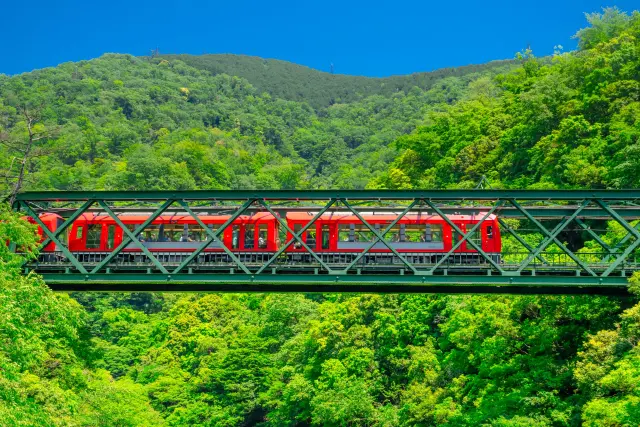
If you're riding the main Hakone transport loop end to end, the Hakone Free Pass usually pays off; if you're only puttering around Hakone-Yumoto, it can cost more than it saves. It comes down to your itinerary.
Hakone Free Pass (from Shinjuku) | Price |
|---|---|
2-day | 7,100 yen adult / 1,600 yen child |
3-day | 7,500 yen adult / 1,850 yen child |
The pass gives unlimited rides on eight modes of transport, including the Hakone Tozan train, the Tozan cable car, the ropeway, the Hakone sightseeing cruise, and Hakone Tozan buses on set routes. It also includes a discounted round trip on the Odakyu line between Shinjuku and Odawara. It doesn't cover the Romancecar limited-express surcharge.
Here's the rough math. Riding the Tozan train (Yumoto to Gora, 460 yen), the cable car (Gora to Sounzan, 430 yen), the ropeway (2,000 yen one way), and the cruise (1,700 yen one way) back to back comes to 4,590 yen for that one-way leg alone.
That figure doesn't yet include the Tozan bus back from the Lake Ashinoko side to Hakone-Yumoto, or your round trip from Shinjuku. Add those in, and a one-day loop of the classic "Hakone Golden Course" tends to reach or exceed the 7,100 yen 2-day pass.
So if you're riding the train, ropeway, and cruise all the way through, the unlimited pass usually wins. Skip the ropeway and cruise and just stroll around Yumoto, and individual tickets come out cheaper.
Avoiding the crowds
On autumn weekends and holidays, Hakone-Yumoto Station, the Tozan train, and the ropeway all get busy through the middle of the day. There are no official figures on extra services or wait times, but the pattern that works best is to hit the main spots early and work your way down toward Yumoto in the afternoon.
If you're heading back from the Lake Ashinoko side late in the day, check the last departures for the cruise and ropeway on Hakone Navi first. From Shinjuku, the Odakyu Romancecar reaches Hakone-Yumoto in about 75 minutes with no transfer; check the current fare with Odakyu's fare search.
Before you go
With Hakone's foliage, the payoff comes down to matching the elevation to your date. If your date is already set, pick the elevation that'll be in color that week, and check just one thing on the morning itself: the operating status of Owakudani and the ropeway. Do that and you rarely come up empty.
Higher spots like Owakudani and the Lake Ashinoko shore run noticeably colder than Hakone-Yumoto in November, so pack a warmer layer than you'd need for a day in Tokyo.
Staying overnight in Hakone lets you be up at the higher stops early in the day. For onsen and views by area, see Where to Stay in Hakone.
- Foliage progress this year: Hakone Town Tourist Association
 箱根町観光協会公式サイト 温泉・旅館・ホテル・観光情報満載!
箱根町観光協会公式サイト 温泉・旅館・ホテル・観光情報満載!
箱根の観光・旅行情報は箱根町観光協会公式サイト「箱根全山」におまかせ!旅館・ホテルの宿泊情報。グルメも満足の飲食店。心も体も満足の日帰り温泉。箱根を遊びつくせるスポット!旅の思い出を詰め込むお土産。公式サイトお勧めの情報満載!
hakone.or.jp - Owakudani and ropeway status, volcanic gas: Hakone Navi 箱根ナビ
運行情報|箱根ナビ
箱根ナビの運行情報についてご紹介いたします。
hakonenavi.jp - Volcanic alert level: Japan Meteorological Agency, Mt. Hakone
This article was translated from the original Japanese with AI assistance and reviewed by our editorial team. The Japanese version is authoritative.