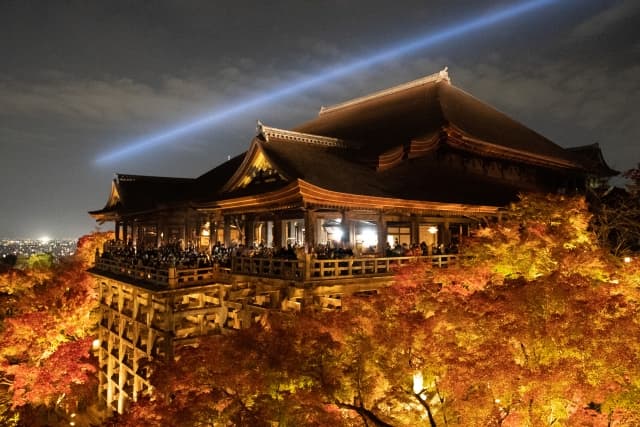
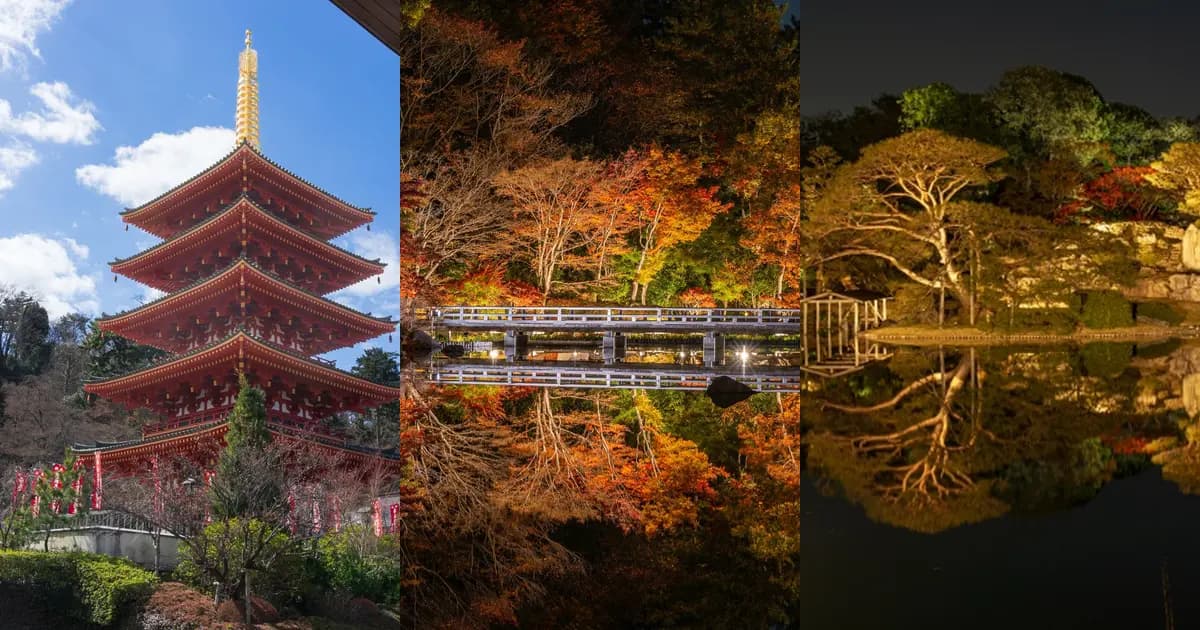
The Tateyama Kurobe Alpine Route (立山黒部アルペンルート) is one of the earliest places in Japan to see autumn color. It begins high up at Murodō (室堂), at 2,450 meters, where the operator says the leaves have peaked around September 23 on average over the past ten years. While the cities are still holding onto summer, autumn has already reached the top of the mountain.
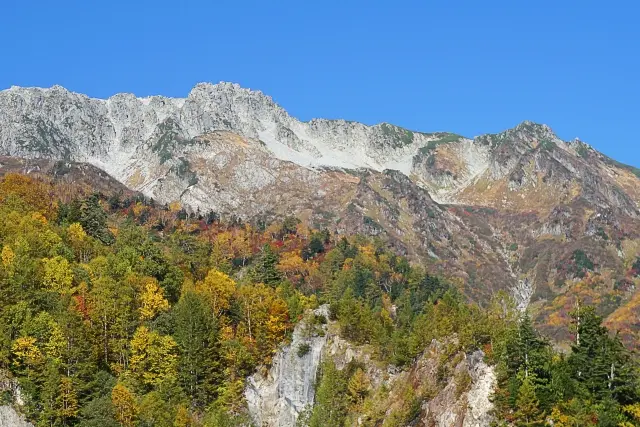
The route spans 1,975 meters of elevation, so the color doesn't arrive all at once. It works its way down over more than a month, from Murodō in late September to the valley around Kurobe Dam (黒部ダム) by mid-October. Choose your week and some part of the route will be at its best.
For peak timing across the rest of the country, see our Japan Autumn Leaves 2026: Nationwide Timing Guide.
The foliage can change in a matter of days. Don't set your date on the average alone. Check the operator's "Alpine Route News" (アルペンルートだより) right before you leave, then reserve a WEB Ticket time slot and book a room.
Peak color, by elevation
The dates below are averages from past years; the operator has not released a 2026 forecast yet. Use them to pick the general week, not the exact day.
Section (elevation) | Usual peak |
|---|---|
Murodō (2,450m) | mid-Sept to early Oct |
Daikanbō–Kurobedaira (approx. | early to mid-Oct |
Kurobe Dam (1,470m) | around mid-Oct |
Murodō is the first area to turn. The slopes around Mikurigaike Pond (みくりが池) begin to color in mid-September. A little lower, the slopes along the Tateyama Ropeway between Daikanbō (大観峰) and Kurobedaira (黒部平), plus Midagahara (弥陀ヶ原), turn from early October, and the Kurobe Dam valley follows around the middle of the month.
Peak foliage timing varies with each year's temperatures and typhoons, so going by a fixed date can leave you a week early or late. Check the official Alpine Route News for the current foliage conditions before you set out.
The 2026 season and the November timetable change
The route operates from April 15 to November 30 in 2026, and this year marks the 55th anniversary of the full route's opening.
The lowest sections color latest and can still hold leaves into early November, but the schedule shifts that month too. The regular timetable runs through November 3, and from November 4 to 30 the service switches to a late-season schedule between Tateyama Station (立山駅) and Ōgizawa (扇沢), with fewer runs and earlier final departures. For a late-autumn trip, check the official timetable and service updates first.
Tickets and reservations: WEB Ticket vs. same-day
Traveling the route means transferring between six different vehicles, and how you buy your ticket can make a big difference to autumn waiting times. There are two ways to go: a time-reserved "WEB Ticket," or a same-day ticket bought at the counter.
A WEB Ticket lets you reserve a boarding time at the entry station: the Tateyama Cable Car from Tateyama Station on the Toyama side, or the Kanden Tunnel Electric Bus (関電トンネル電気バス) from Ōgizawa on the Nagano side. For 2026, tickets have been released in stages by travel period since March 13 (from 3:00 p.m.), so check the WEB Ticket page for when your date opens. You must buy by 3:00 p.m. the day before, and there is no same-day WEB Ticket sale at the counter. Each ticket is valid for five days from your reserved boarding time.
Slots are limited, and popular autumn times can fill up early. Same-day tickets are available at the boarding station, but on busy days the operator may limit which sections you can buy tickets for or cap same-day round-trip tickets, and lines at peak hours can run long.
For an autumn weekend, it pays to reserve at least the first leg — the Tateyama Cable Car or the Ōgizawa electric bus — with a WEB Ticket so you aren't stuck at the gate. To catch the first departure, stay nearby the night before: hotels around Toyama Station, near Tateyama Station, or in Ōmachi on the Nagano side put you on the earliest run. We cover getting there from Tokyo — Toyama or Nagano side in a separate guide. For a fuller look at those base towns — and whether it is worth staying up at Murodō itself — see Where to Stay for the Tateyama Kurobe Alpine Route 2026.
Fares for the main sections
Here's what the main sections cost (adult fares, as of February 27, 2026). The full traverse from Tateyama to Ōgizawa is the priciest, over ¥10,000 even one way.
Section | One way | Round trip |
|---|---|---|
Tateyama–Ōgizawa (full route) | ¥10,940 | ¥19,680 |
Tateyama–Kurobeko (Kurobe Dam) | ¥9,140 | ¥16,480 |
Ōgizawa–Murodō | ¥6,850 | ¥12,300 |
Children's fares cover elementary-school-age kids at about half the adult price, and children under school age travel free. If you ride a limited express on the Toyama Chihō Railway from Toyama Station to Tateyama Station, there is a separate express charge (¥600 for adults).
What to wear at Murodō
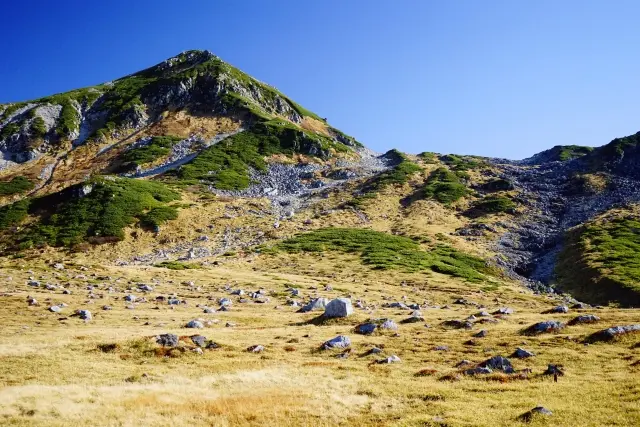
Clothing is the easiest thing to get wrong up here. Murodō sits at 2,450 meters, and it's far colder than the cities below.
The operator's own advice puts autumn temperatures (September–October) around 10°C. From October, snow flurries are possible near 2,500 meters, and temperatures often drop below freezing in November. In 2025, Tateyama's first snow cap of the season was announced on October 29, and Murodō itself already had 10 centimeters on the ground the morning before.
Pack a thick wool shirt or a fleece with a windproof layer over it — a shell or a light down jacket — and bring rain gear even when the forecast is clear, because mountain weather turns quickly. On a day when the city sits in the low 20s°C, plan for single digits at the summit. If you're packing for a wider Japan trip, this is one route where that extra warm layer earns its place in the bag.
Show up in what you would wear around town and you will be too cold to enjoy the view. Treat a warm outer layer as a must-pack, not a maybe.
Rough weather can suspend service on some sections, so check the official service updates before you go and again on the day. The altitude wears you down as well, so take it slowly and rest often.
This article was translated from the original Japanese with AI assistance and reviewed by our editorial team. The Japanese version is authoritative.