
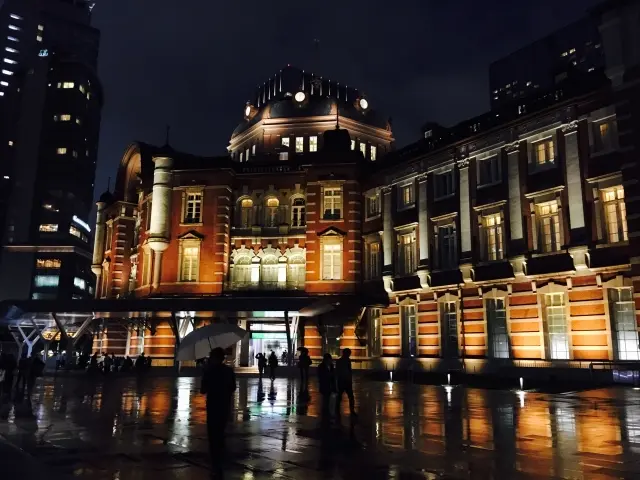
At the end of September 2026, Tokyo is living under an umbrella. Rain has fallen day after day since late August, and according to private weather services, central Tokyo hit 35 straight days of rain as of September 30 — a new record. September was even more remarkable: it rained every single day of the month, reportedly a first in the city's history.
If you are in Tokyo now, or arriving in the next week or two, the question on your mind is probably simple: when does this end? The short answer, based on forecasts issued on September 30, is that the rain should clear around October 2 to 3, though the approach of Typhoon No. 26 could push that a day either way.
So how unusual is this really, why did it happen, and what should you do if you land in early October?
As of September 30, Tokyo had seen rain 35 days in a row (a weather-company figure). But this was not 35 days of downpour — several of those days barely saw a drop.
The record streak, by the numbers
Central Tokyo (the Japan Meteorological Agency takes its central Tokyo readings at Kitanomaru Park in Chiyoda) started its rainy run on August 27. By September 29, the JMA's confirmed data showed 34 consecutive days of rain, passing the previous record of 33 days set in 2019 (June 27 to July 29). Rain fell again on September 30, and weather companies put the streak at 35 days.
Rain fell every day in September, from the 1st through the 30th. Weather News called this a likely first in the city's records, which stretch back roughly 150 years. The month's total rainfall also set a September record, running about three times the seasonal norm of around 225mm.
There's a catch to that streak, though. The "consecutive rainy days" count treats a day as rainy if any rain is observed at all, even a trace of less than 0.5mm. Of the 34 confirmed days through September 29, ten were these barely-there days. Alongside them were genuine downpours: September 20 and 21 each topped 100mm. So the stretch was a mix of soaking days and days with a passing sprinkle, not a month of nonstop rain.
Why it lasted so long
The main culprit was an autumn rain front (akisame zensen) that stalled over Honshu, Japan's main island. Early autumn is when summer and autumn air masses collide and fronts form easily, so a rainy spell is normal for the season. This year, the front simply refused to move and sat over Tokyo for weeks.
On top of that, typhoons kept lining up. In early September, warm, moist air fed in by Typhoon No. 24 (Krovanh) energized the rain front, which dropped more than 150mm over two days. Then on September 21, Typhoon No. 25 (Dujuan) approached the Kanto region directly and brought 156mm. The front and the typhoons kept feeding moist air into the region, and Tokyo never got a clean break from the rain.
The forecast: clearing around Oct 2–3
Forecasts issued on September 30 differ slightly on timing. Weather News expects high pressure to build in from October 1 and turn the weather around. Tenki.jp sees rain lingering in Chiba on October 1 as Typhoon No. 26 passes, with clear skies spreading by around October 3.
What they agree on is that autumn sunshine should return around October 2 to 3. Keep in mind that this is a September 30 outlook, and Typhoon No. 26, forecast to pass closest to the Izu Islands and southern Kanto (the greater Tokyo region) around October 1, could still shift that timing. Heavy rain is possible as the storm approaches.
The rain should ease around October 2–3, based on September 30 forecasts, though Typhoon No. 26 could shift that by a day.
Because warnings and advisories change by the hour, check the JMA's Tokyo weather warnings page before you head out.
The quieter damage
A month of rain does more than keep umbrellas open. Sunshine was in short supply (it was the second-lowest September for sunshine on record), and farmers have reported delayed harvests. The lack of sun may also nudge this autumn's foliage off its usual timing.
For travelers, the good news is about getting around: there were no official reports of the rain itself seriously disrupting the bullet trains or the airports. Days when a typhoon comes close are a different story, so check the latest status for your train or flight.
For early-October visitors
Even once the rain lifts in early October, a stray shower (or the tail of Typhoon No. 26 around October 1) is still possible, so keep a folding umbrella in your bag.
If you do get caught in the rain, Tokyo is an easy city to enjoy indoors. Museums, aquariums, and big shopping complexes can fill a whole day regardless of the sky; we've gathered ideas in Rainy Day in Tokyo: Indoor Things to Do. If you need an umbrella or rain gear in a hurry, Where to Buy Rain Gear in Japan covers your options.
Early October is also when Tokyo's mornings and evenings start to cool off. If you're unsure what to pack, see What to Wear in Japan in Autumn. And once the rain lifts, we're posting the latest foliage updates in Tokyo Autumn Leaves 2026.
A record September, and the days ahead
September 2026 will go down as one of Tokyo's wettest, grayest months on record. Not all of the rain was heavy, but the records stand.
The rainy stretch, though, looks set to end in the first days of October. Once it does, Tokyo's crisp, washed-clean autumn air is worth the wait.
This article was translated from the original Japanese with AI assistance and reviewed by our editorial team. The Japanese version is authoritative.


