
A fukubukuro (literally a "lucky bag") is a sealed New Year grab bag sold for a fixed price, usually containing items worth more than the price of the bag. Most go on sale on New Year's Day (January 1) or during hatsuuri, the first sale of the year, which many shops hold on January 2.
The catch is that the bags everyone wants often sell out in November and December, weeks before New Year, through online lotteries and pre-orders. Turning up on the day is no longer a sure thing.
This guide covers when fukubukuro go on sale, how the lotteries and pre-orders work, whether visitors can realistically get one, and the new tax-free rule that applies for the first time this coming New Year. Planning your trip around the holidays? Pair this with our guide to hatsumode, the year's first shrine visit.
When fukubukuro go on sale
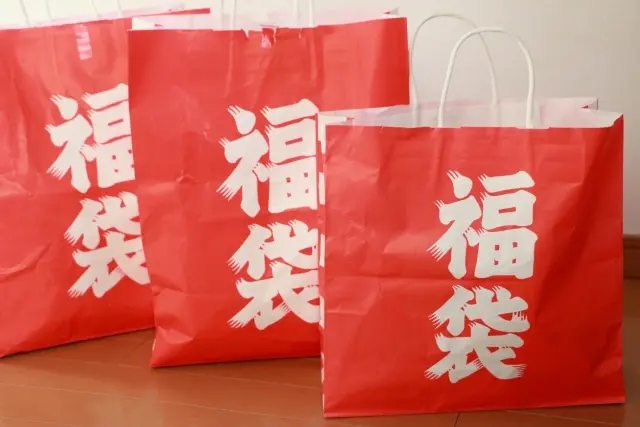
In stores, fukubukuro appear on New Year's Day (Jan 1) or at the hatsuuri first sale, which is January 2 at most shops and January 3 at some. The New Year holiday known as sanganichi (Jan 1–3) is the main window.
The real battleground now, though, is online, before the year even ends. Department stores and electronics chains open pre-orders and lotteries from November into early December, and some department-store reservations start as early as October.
The most popular bags are often spoken for before New Year. If you have a shop in mind, bookmark its fukubukuro page by November.
Your best option depends on whether you live in Japan or are visiting. If you live in Japan, your best bet is to enter an online lottery or place a pre-order before the end of the year. If you are visiting, the in-store bags during the New Year holiday are the realistic choice, because most online lotteries and pre-orders assume a Japanese delivery address and account, and are hard for travelers to use.
Lottery bags that need a sign-up
Some of the most coveted bags are difficult to find in stores, because they sell mainly through online lotteries. The clearest cases are Starbucks and MUJI; electronics chains run lotteries too, though they also open in-store sales on New Year's Day.
- Starbucks Japan sells its Lucky Bag by online lottery only, with no in-store sales. You need a My Starbucks account to enter, and each person can enter once. Last year (2026), entries opened in early November, winners were announced in late November, and bags shipped starting New Year's Day.
- MUJI does not sell a "fukubukuro" at all. Its New Year item is the Fukukan, or "lucky can," offered through a lottery you can enter only online, not in stores. Last year it cost ¥2,026 and held a handmade regional charm plus a MUJI gift card.
- Electronics chains sell theirs under their own names — Bic Camera's "Fukubako" and Yodobashi's "Yume no Otoshidamabako" (dream New Year box). They run member-only online lotteries before the year ends, then also sell in store from New Year's Day.
One thing to know before you get your hopes up: Starbucks and MUJI sell online only, and both assume a Japanese account and a domestic delivery address, so short-stay visitors realistically cannot enter.
Entry windows are short, and once you apply, you usually cannot back out or change your pickup location. Read the conditions before you enter.
Department stores and big-name brands
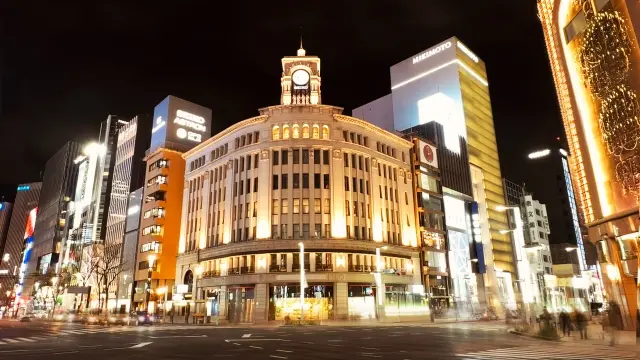
Department stores — Takashimaya, Isetan Mitsukoshi, and Daimaru Matsuzakaya — take fukubukuro pre-orders through their official online stores from November into December, with some starting in October. Their in-store first sales are usually January 2 or 3.
Department-store online bags often show their contents up front, making them easier for first-time buyers to choose. You are not buying blind.
Clothing brands vary. UNIQLO has not run a traditional nationwide fukubukuro in recent years, leaning instead on New Year sales and its "Kanshasai" appreciation event, with markdowns on its staples.
Apple has ended its old "Lucky Bag" too. Its New Year event now gives Apple Gift Card credit instead. Contents change from year to year and from shop to shop, so check the official page for the current season.
Contents, returns, and queues
Some bags reveal their contents; others are a sealed mystery. Department-store bags sold online usually show what is inside, while electronics and Starbucks bags are typically a mystery.
As a rule, fukubukuro cannot be returned or exchanged. Some let you choose a size or color, but otherwise, expect to keep whatever is inside.
At in-store first sales, expect queues before opening, and numbered tickets (seiriken) for the hottest items at some shops. If you are after something specific, check each store's announcement for how pickup works on the day.
Buying as a visitor, and the new tax-free rule
Visitors can buy fukubukuro in stores just like anyone else. There is no nationality restriction on in-store sales.
The thing to watch is tax-free shopping. Starting with sales made on November 1, 2026, Japan moves to a "refund" system, and the 2027 New Year will be the first one under it.
Under the new system, you pay the full price including tax, then receive a refund after customs confirms that you are taking the goods out of Japan when you depart. That confirmation has to happen within 90 days of purchase.
The old divide between "general goods" and "consumables," and the requirement to keep consumables sealed, are gone. Even a bag that mixes different items qualifies, as long as your total is ¥5,000 or more before tax, at a shop set up for the new system.
To get the refund, though, you need to still have the goods with you when you leave. If you use up items like food during your stay, you may lose the refund.
Tax-free shopping is for "non-residents" (short-stay foreign visitors and similar), and not every shop offers it. Look for the tax-free sign, or ask at the register.
For the full step-by-step on the refund process, see our guide to tax-free shopping and the refund system in Japan.
This article was translated from the original Japanese with AI assistance and reviewed by our editorial team. The Japanese version is authoritative.