
If you are visiting shrines and temples in Kyoto or Tokyo, a goshuin (御朱印) is one of the best souvenirs you can bring home. It combines hand-brushed calligraphy with red seals and records the day you visited. Months later, one glance at it takes you straight back to that morning at that temple.
There is some etiquette to know before you request one, and the process can feel confusing on a first visit. This guide walks you through the whole thing, from what it costs to which book you need, so you can receive your first one without any awkwardness.
Pay your respects first, then receive your goshuin. It marks a visit — not a collectible stamp.
Goshuin, explained
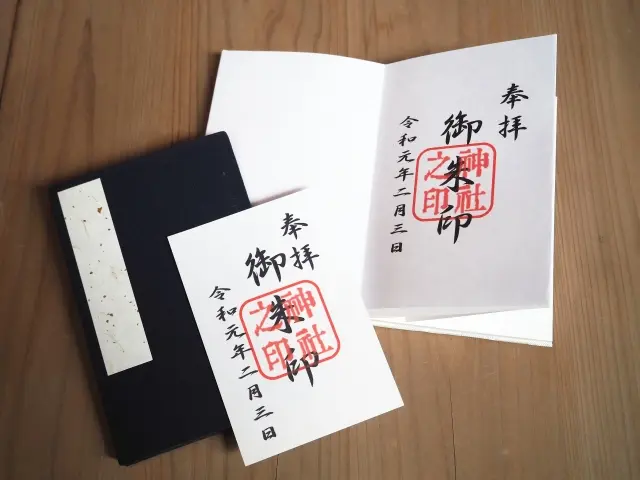
A goshuin is a seal you receive as proof that you visited and paid your respects at a shrine or temple. The practice began centuries ago, when pilgrims copied sutras and received a written receipt in return; over time, the seal came to stand for the visit itself.
The key point is that it marks a visit. Japan's Association of Shinto Shrines (Jinja Honcho) describes the goshuin as "something you receive as proof of your visit," and several regional shrine offices remind visitors not to treat collecting them as the goal in itself.
How to receive one, step by step
The process is simple — no need to overthink it.
- Pay your respects at the main hall first
- Go to the office that issues goshuin (often called the goshuin-sho or nokyo-sho)
- If you have a goshuin book, open it to the page you want written and hand it over
- Wait quietly while it is being written
Avoid speaking to the staff member while they write, or moving around to take photos. Each goshuin is prepared individually by hand, so the polite thing is to watch quietly and let them work.
Cost: 300 to 500 yen per seal
Most goshuin cost somewhere between 300 and 500 yen. At Yasaka Shrine in Kyoto, for example, the main handwritten seal is 500 yen, and a prewritten version on a loose sheet is 300 yen.
Some places name no price and simply leave the amount up to you. Either way, bring coins and small change, since many seal offices cannot make change from a large note and do not accept cashless payment.
The goshuin book (goshuincho)
To receive a goshuin, you need a goshuin book, or goshuincho. Many shrine and temple offices sell them, and you can also buy one at a stationery shop or online. The covers are often beautiful and specific to each place, which makes choosing one part of the fun.
- Most cost between 1,000 and 1,500 yen, though ornate designs may run 3,000 to 4,000 yen
- Two sizes are common: large (about 18 x 12 cm) and small (about 16 x 11 cm). If you plan to add more later, sticking to one size keeps them tidy on a shelf
- Most open accordion-style, unfolding in one long strip
- There is no rule that you must keep separate books for shrines and temples; separate them only if it matters to you
At Yasaka Shrine, goshuincho start at 1,500 yen, while a lacquer-decorated (maki-e) design costs 3,800 yen. The easiest way to start is to buy your first book at a temple office on your trip and have your first seal written straight into it.
Hours and handwritten vs. prewritten goshuin
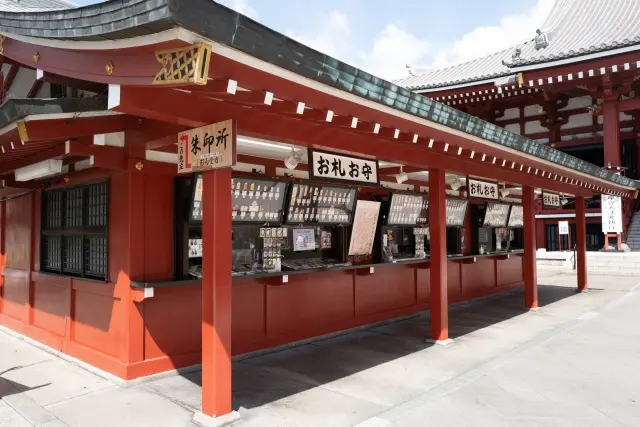
Opening hours vary by place. As a rough guide, many offices run from around 9 a.m. until 4 or 5 p.m., though a few open earlier — Senso-ji in Tokyo issues goshuin at its Yogo-do hall from 8:00 to 16:30. At Yasaka Shrine in Kyoto, seals are handwritten from 9:00 to 16:00, and after 16:00 only prewritten sheets are available.
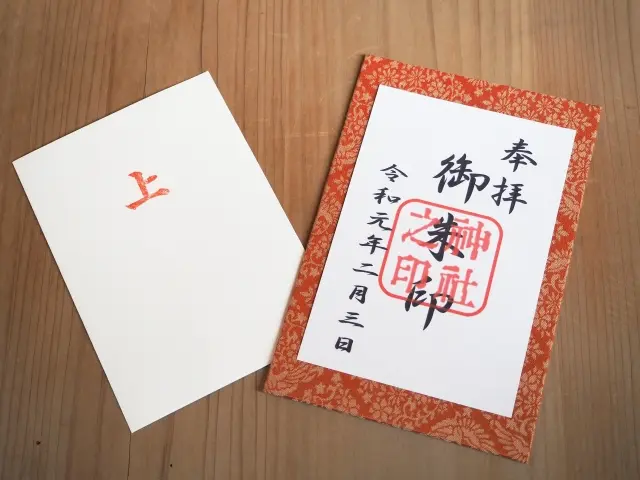
On busy days, some places skip writing on the spot and hand you a kakioki — a sheet written out in advance. Others take your book, give you a numbered ticket, and hand it back after you have paid your respects. A kakioki sheet can be pasted into your book at home, so it still makes a fine keepsake.
If you are arriving in the late afternoon, keep in mind that handwritten seals often stop earlier than the office itself closes.
Etiquette and mistakes to avoid
A few things are worth keeping in mind so the exchange goes smoothly.
- In busy seasons, people who queue only for the seal without worshiping are sometimes turned away — the visit comes first
- Not every shrine or temple offers them, and during especially busy periods some stop offering goshuin entirely or switch to prewritten sheets only
- Hours differ from place to place, so check the official website before you set out
- Some shrines will write on a loose sheet if you forgot your book, but others are not set up for it — do not push if they cannot
A goshuin is a small, quiet record of one day of your trip. The etiquette is simple: approach the visit with respect and gratitude. Keep that in mind, and your first book will become a keepsake worth returning to.
Planning an autumn trip? Pair this with our guide to the autumn leaves at Kiyomizu-dera — exactly the kind of temple visit a goshuin was made to mark.
This article was translated from the original Japanese with AI assistance and reviewed by our editorial team. The Japanese version is authoritative.