
Japan’s trains and subways are famously punctual, spotless, and—maybe most surprising of all—quiet. If it’s your first time riding, that hush can be a little disorienting. The truth is, Japanese trains run on a set of unwritten rules: not laws, but small courtesies that almost everyone follows without thinking.
Nobody will fine you for getting them wrong, but knowing a few of these makes even a packed rush-hour train far more pleasant—and helps you move through the system more like a local. Here are the eight basics worth knowing before you tap through the gate, covering priority seats, phones, eating, backpacks, women-only cars, and escalators.
1. Let people off first, then line up and board
Platforms have markings on the floor showing where the doors stop and where to queue. When the train arrives, line up to either side of the doors, let everyone off first, and then board in order. Pushing on before riders have stepped off is a classic faux pas. If you’re near the door and it gets crowded, it’s normal to step off briefly onto the platform to let others out, then hop back on.
2. Keep your phone on silent—and avoid calls
Set your phone to “manner mode” (silent) and avoid taking calls on board. If someone rings, it’s polite to answer briefly—“I’m on the train, I’ll call you back”—and hang up. Texting, browsing, and watching videos (with earphones, always) are all fine; just watch your volume and ringtone.
Around the priority seats, JR East and 36 other railway operators across eastern Japan use a single shared guideline: switch your phone off near priority seats when the train is crowded, and elsewhere keep it on silent and refrain from calls. In short: near priority seats on a crowded train, switch your phone off; elsewhere, keep it on silent and avoid calls.
3. Priority seats are for those who need them
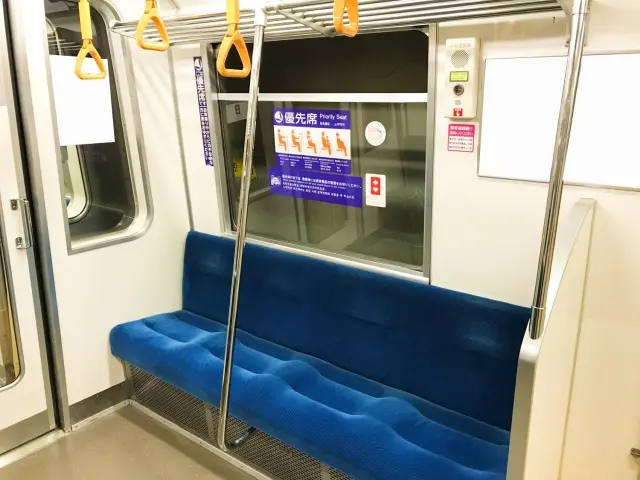
Look for the “Priority Seat” area near the ends of most cars. These seats are set aside for elderly passengers, people with disabilities, pregnant riders (often wearing a pink “maternity mark” badge), injured passengers, and those traveling with small children.
You can sit there if it’s empty, but the etiquette is to give the seat up the moment someone who needs it boards. If you’re shy about speaking up, simply standing and giving a small nod gets the message across.
4. Eating: fine on the Shinkansen, low-key on commuter trains
“Can I eat on the train?” is one of the most common questions. There’s no blanket rule against eating or drinking on Japanese trains. That said, strong-smelling food lingers in an enclosed car, so be considerate of those around you—and on crowded trains, keep it low-key.
In practice, long-distance trains like the Shinkansen and many limited expresses have fold-down trays, and tucking into an ekiben (station lunch box) is part of the fun. On crowded commuter trains and subways, though, most people skip eating altogether and stick to, at most, a quick sip of water. The rule of thumb: long-distance is fine, short hops are best kept snack-free.
5. Wear your backpack on your front when it’s crowded
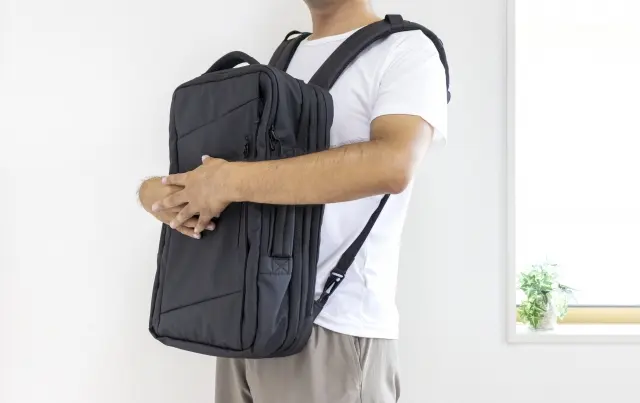
A backpack on your back bumps into the people behind you more than you’d think. Many railway companies ask riders to carry backpacks on their front or place them on the overhead rack when the train is busy. Park larger suitcases where they won’t block doors or aisles, and keep out of the flow of people. On the Tokaido, Sanyo, Kyushu, and Nishi-Kyushu Shinkansen, any piece of “oversized baggage”—with total dimensions of more than 160 cm and up to 250 cm—requires reserving a seat with a dedicated luggage space in advance; board without a reservation and you’ll be charged a fee.
6. Women-only cars run on weekday mornings
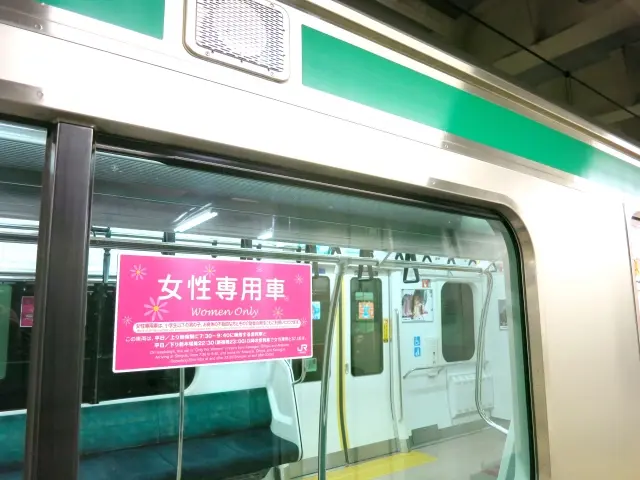
On many urban lines, certain cars are designated as “Women-Only Cars” during the weekday morning rush. Look for pink signage on the platform and on the car itself. They are for women, children of elementary-school age and younger, passengers with disabilities, and their caregivers.
The line, car, time, and direction all vary by operator. It’s usually weekday mornings only—though a few lines, like the Nagoya Municipal Subway’s Higashiyama Line, run a women-only car all day on weekdays. Men sometimes board one without noticing, so keep an eye out for the pink markings during the morning rush.
7. On escalators, stand still and hold the handrail
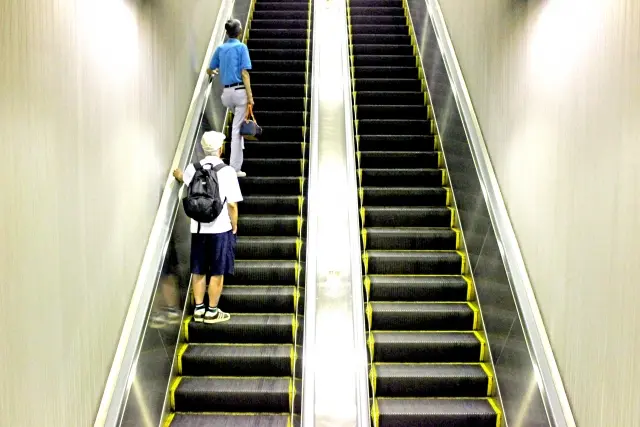
In Tokyo and the wider Kanto region, people have long stood on the left and left the right side open; in Osaka and Kansai, it’s the reverse. In recent years, though, railways and local governments have increasingly asked everyone to stand still rather than walk, to cut down on falls and collisions. Saitama Prefecture (2021) and the City of Nagoya (2023) have even passed ordinances asking riders to stand still rather than clear one side (there’s no penalty). When in doubt, don’t worry about which side to stand on—just hold the handrail and stay put.
8. The little courtesies that go a long way
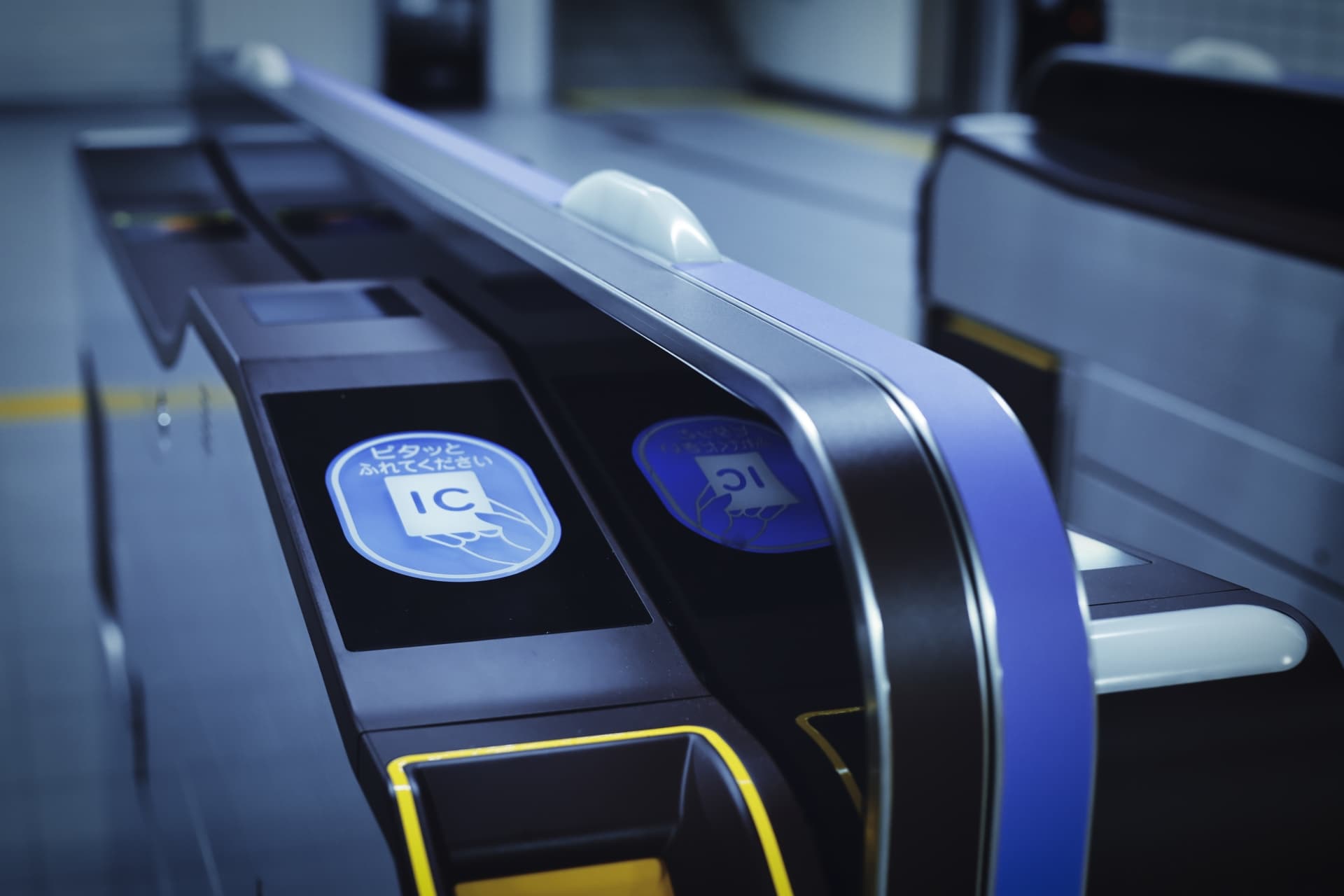
A few small habits round things out. Don’t stand blocking the doorway—if people need to get off, step onto the platform and back on. Take your trash with you if you can; bins are not always easy to find, and littering in trains or stations is frowned upon. Keep conversations quiet. Have your Suica or PASMO ready to tap so you don’t stall at the gate. And don’t dash for closing doors. Each one is really just a small kindness to the people around you.
In closing
None of these are rules with penalties—they’re simply the shared courtesies that keep everyone comfortable. You don’t have to be perfect. Let people off first, keep it quiet, and offer your seat to someone who needs it: get those three right, and train travel in Japan will feel effortless.
Before you ride
A few things are worth sorting out before you tap in:



Onboard etiquette guidance, women-only car schedules, and Shinkansen luggage rules vary by line, operator, and season, and are subject to change. Always check each railway’s official website—or the signage in stations and on trains—for the latest details.
▶ JR East — Mobile phone manners onboard (official FAQ)
▶ Tokyo Metro — Women-only cars
This article was translated from the original Japanese with AI assistance and reviewed by our editorial team. The Japanese version is authoritative.