You've just finished a great meal in Tokyo, and out of habit you leave a few coins on the table. Moments later, the server is chasing you down the street—not to thank you, but to return the money you “forgot.” Welcome to one of the most common little culture shocks travelers run into in Japan.
The short version, straight from the Japan National Tourism Organization (JNTO): there's no tipping culture here. But “no tipping” comes with a few nuances worth knowing, so here's exactly what to do in each situation.
First things first: Japan is not a tipping country
In restaurants, cafes, bars, taxis, and hotels, tipping simply isn't part of the deal.
The basic idea is that great service is already built into the price—it's the standard, not an extra you pay for. Staff take real pride in doing their job well, and they don't expect a little something on top.
So if you do try to tip, don't be surprised if it's politely refused. In the best case, your server hands the money back with a smile. In the trickier case, they assume you miscounted your change and come running after you. There's zero rudeness involved—quite the opposite—but it can leave everyone a little flustered.
Tipping, situation by situation
Restaurants, cafes & bars
Skip it. You'll usually pay at a register near the exit rather than at your table, so there's nowhere to “leave” a tip anyway. Cash left on the table just creates confusion. A warm “gochisousama deshita” (thank you for the meal) is the tip that actually lands.
Taxis
Skip it. Pay the metered (or flat) fare and you're done. Tell the driver to “keep the change” and they'll most likely hand it right back. Even if they help with heavy bags, a thank-you is all that's expected.
Hotels
At business and city hotels, there's no need to tip bell staff or housekeeping. Someone carrying your bags up to the room is simply part of the service, not a paid favor.
That “service charge” you might spot
At high-end restaurants, luxury hotels, and upscale ryokan (traditional inns), you may see a service charge (サービス料, sābisu-ryō) of around 10–15% added to your bill. Unlike a tip, it's a set fee built into the price and itemized on your bill. If you see it on the receipt, you don't need to add anything on top.
One thing worth flagging: at izakaya (Japanese pubs) and bars, you may see an otoshi (お通し) charge—a small appetizer served whether you order it or not—or a seating or cover charge added to your bill. This isn't a tip; it's a set fee the venue charges. If it makes you uneasy, there's no harm in asking about it when you're seated.
The classic exception: kokorozuke
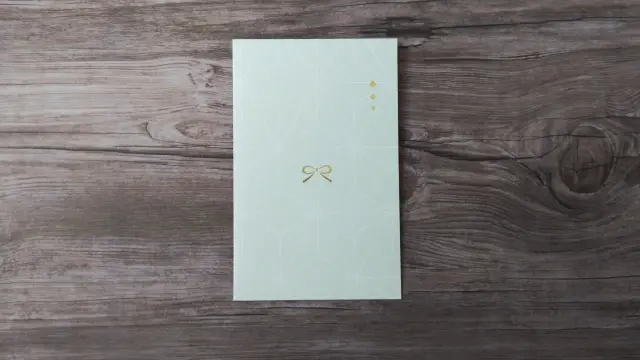
Japan isn't 100% tip-free. The classic example is kokorozuke (心付け) — a gratuity JNTO describes as “coming from the heart.”
You'll mostly run into it at higher-end ryokan, where a nakai-san (a personal attendant) serves your meals and lays out your futon. The custom is to offer it at the start of your stay, often when they first show you to your room and serve tea. The amount depends on the inn's formality and your group size, but a few thousand yen is a common guideline. For most travelers, anything above ¥10,000 is generally unnecessary except in special cases.
How you give it matters as much as how much. Kokorozuke is never handed over as loose cash — it goes in a small envelope (you can grab one at a convenience store, stationery shop, or 100-yen store) and is offered discreetly. And to be clear: it's entirely optional. Many larger chains and resort-style inns now politely ask guests not to give it at all, so feel zero pressure to prepare one.
Private guides & interpreters
If you've hired a private guide or interpreter who's used to international customs, a tip may be genuinely welcomed as a thank-you.
Some travelers offer a few thousand yen, scaled to the price of the tour, after a full day out—though even this is never required.
Either way, the Japanese way is to tuck it into an envelope and present it with both hands, quietly—and a glowing review or referral is just as valued.
When you really want to say thank you
Sometimes the service is so good you want to do something.
In Japan, the best “tip” is often just a few sincere words. A heartfelt “arigatou gozaimasu,” or telling the chef the meal was incredible, will mean more than cash ever could.
If you'd like to give something tangible, a small treat or a card from home can be a lovely gesture, depending on your relationship with the person.
Just keep in mind that workplace rules sometimes prevent staff from accepting gifts, so don't take it to heart if it's politely declined.
Is tipping changing?
As more international visitors arrive, a handful of tourist-heavy cafes and restaurants have started adding optional tip features—sometimes through cashless payment systems or a shop's own setup.
Still, this is the exception, not the rule. Across Japan as a whole, “no tip needed” remains the norm. Keep that in mind and you'll never go wrong.
The bottom line
In Japan, you almost never need to tip—and trying to can leave staff genuinely puzzled.
The rare exceptions are kokorozuke at a traditional ryokan and a quiet thank-you to a private guide, both given discreetly in an envelope.
Everywhere else, keep your coins and offer a smile and a thank-you instead. That's the tip that travels best here.
While you're here
This article was translated from the original Japanese with AI assistance and reviewed by our editorial team. The Japanese version is authoritative.