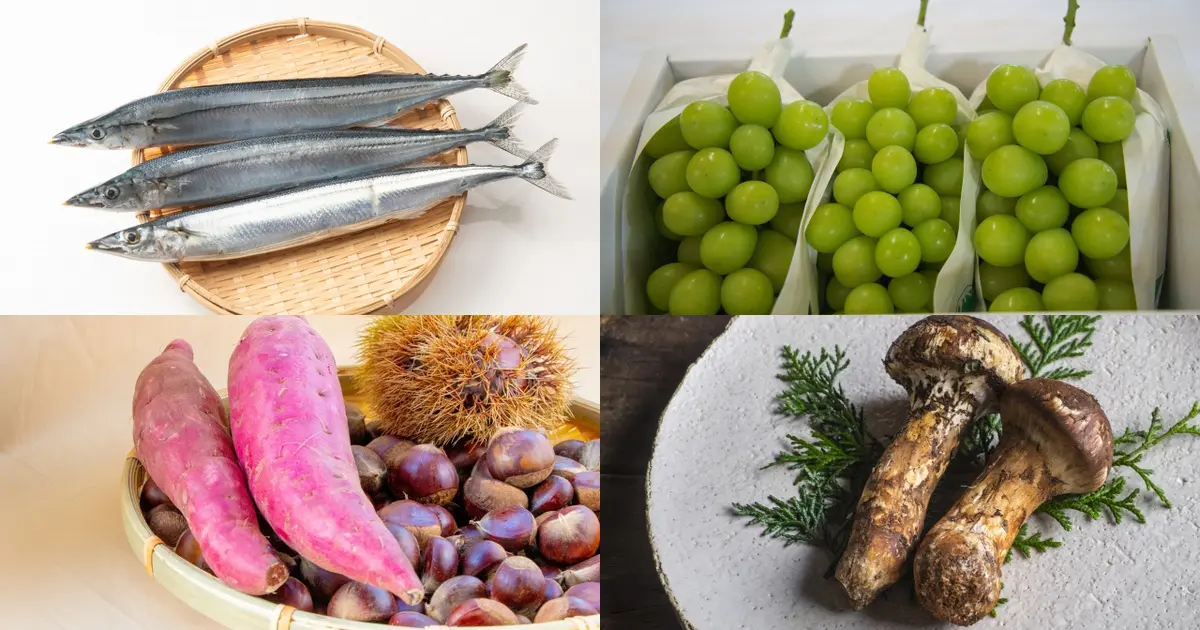
Autumn is the best time to eat in Japan. As the summer heat finally breaks, rice, chestnuts, mushrooms, fruit, and the season's fish all ripen at once, which is why it's called shokuyoku no aki, the "autumn of appetite."
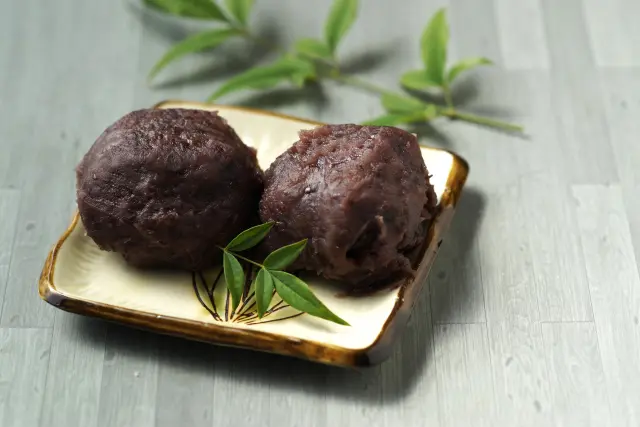
This guide covers what's actually in season from September to November 2026, how the Japanese eat each thing, and where a traveler can find it — from department-store food halls to roadside farm stands. It pairs with the rest of our autumn cluster: Tsukimi moon-viewing, ohagi and the autumn equinox, and Japan's autumn leaves.
The one thing to know before planning an autumn food trip in 2026: sanma (Pacific saury), the classic autumn fish, is forecast for a record-low run this year. Expect it smaller and pricier — so order a plump grilled one when you spot it.
The autumn food calendar at a glance
Seasons shift by region and variety, so treat these as peak windows rather than hard dates.
Food | Peak window |
|---|---|
Sanma (Pacific saury) | Sept–Nov |
Matsutake mushrooms | Sept–Oct |
Shiitake, maitake, shimeji | Sept–Nov |
Chestnuts (kuri) | Sept–Oct |
New-crop rice (shinmai) | late Aug–Oct |
Sweet potato (satsumaimo) | Sept–Nov (later after curing) |
Kabocha (squash) | Sept–Dec |
Shine Muscat & grapes | Aug–Oct |
Japanese pear (nashi) | Aug–Oct |
Figs (ichijiku) | Aug–Oct |
Persimmon (kaki) | late Sept–Dec |
Apples (ringo) | Sept–Nov (Fuji peaks Nov) |
Salmon & ikura | Sept–Oct |
Ginkgo nuts (ginnan) | Sept–Nov |
Sanma and the fish of autumn: a record-low 2026 run
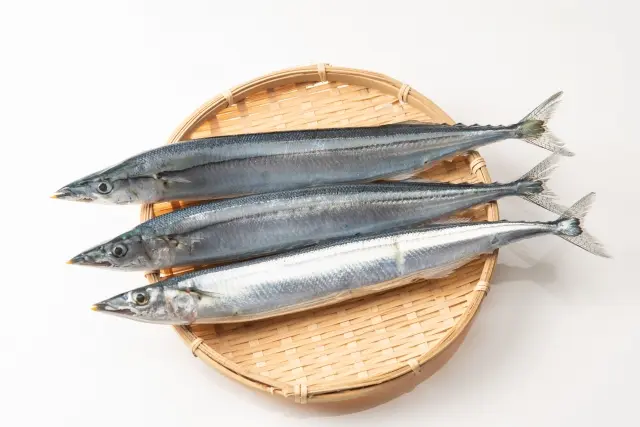
Sanma (秋刀魚, Pacific saury) is the fish that means autumn in Japan. The classic way to eat it is shioyaki — grilled whole with salt, served with grated daikon and a squeeze of sudachi or kabosu (tart green citrus) — usually as a teishoku set meal at a casual diner.
2026 comes with a catch. Japan's official forecast, released on July 28, puts the sanma run at its weakest in the comparable data going back to 2003. It estimates about 429,000 tons of fish in the survey area, down from 1.099 million a year earlier, and the fish are expected to run smaller this year. The 2026 fishing quota is 91,554 tons, down 4.3% and the lowest on record.
That doesn't mean no sanma. Landings had been recovering from the historic lows of 2019–2022, so it will still be on autumn menus, just prized enough this year to be worth seeking out.
The other autumn fish is salmon. Hokkaido's catch peaks in September and October, when the returning fish are called akizake, "autumn salmon." That's also when households make fresh ikura (salmon roe) to spoon over rice as ikura-don, while the fish itself is grilled with miso as chanchan-yaki.
Mushrooms, from matsutake to shiitake
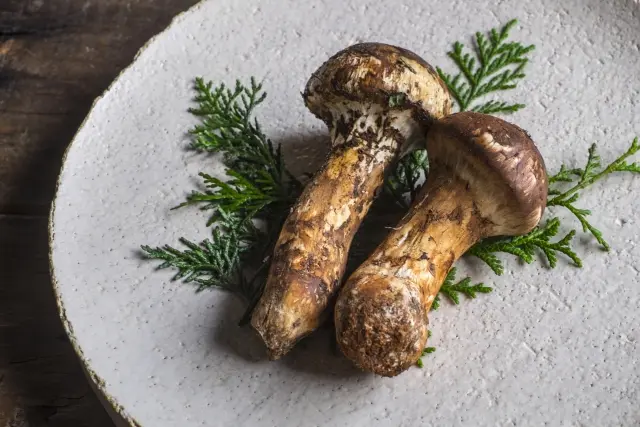
Matsutake (松茸), Japan's prized wild pine mushroom, is in season September to October. Domestic matsutake is famously expensive and swings hard with the market (anywhere from a few thousand to tens of thousands of yen), with Kyoto's Tamba region as the benchmark. Imported matsutake costs a fraction of that. Look for it in dobin-mushi (a delicate teapot broth), matsutake gohan (rice), or simply grilled.
Everyday mushrooms are at their best now too. Shiitake, maitake, and shimeji turn especially fragrant in autumn (shiitake most of all) and go into tempura, hot pots, and rice. They cost a tiny fraction of matsutake and are the easy way to taste the season without the splurge.
The harvest: new rice, chestnuts, and sweet potato
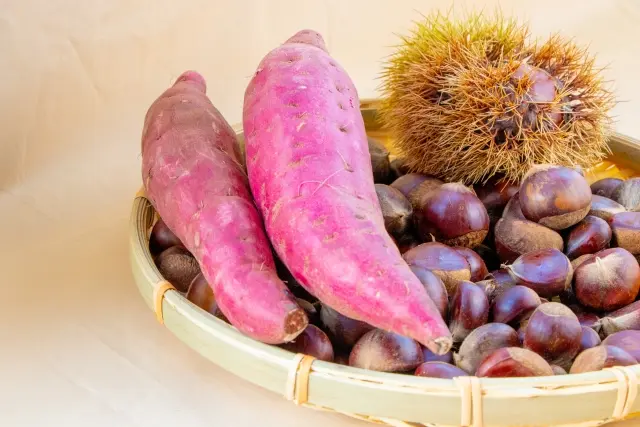
Autumn is harvest season, and this is when Japan's staples are at their peak.
New-crop rice (新米, shinmai) starts arriving in late August and hits full swing in September and October, prized for its gloss and moisture. Japanese rice has also been unusually expensive since 2024, with prices only beginning to ease through the first half of 2026.
Chestnuts (栗, kuri) peak September to October, with Ibaraki growing more than any other prefecture. They turn up as kuri gohan (chestnut rice), Mont Blanc pastries, street-side roasted amaguri, and no end of autumn sweets.
Sweet potato (さつまいも, satsumaimo) is everywhere once it turns cold, above all as yaki-imo, roasted whole over stones and sold at supermarkets, specialty shops, and from roving street vendors. Varieties split into "sticky-sweet" (Beni Haruka) and "silky" (Silk Sweet). Kabocha (Japanese squash) and salt-roasted ginkgo nuts (銀杏, ginnan, in chawanmushi egg custard or at an izakaya) round out the harvest table.
Autumn fruit: Shine Muscat, pears, persimmons, apples
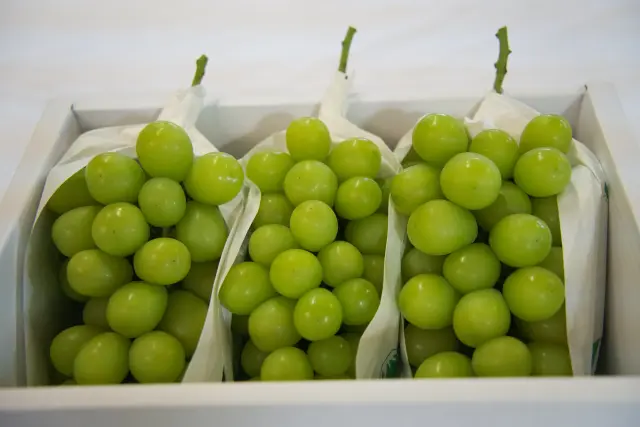
Autumn fruit here is grown as much for gifting as for eating: the best Shine Muscat is graded, boxed, and sold as a premium gift rather than an everyday snack.
Shine Muscat (シャインマスカット) — seedless, green, intensely sweet grapes you eat skin and all — lead the season, roughly August to October, grown mostly in Yamanashi and Nagano.
Japanese pears (梨, nashi), crisp and dripping with juice, hand off from one variety to the next from August into October. Persimmons (柿, kaki) take over from late September, the sweet Jiro and Fuyu types peaking in November. Apples (りんご) build through the season to the famous Fuji in November, and figs (ichijiku) fill in the early weeks.
Many farms near Tokyo open for mikaku-gari, pick-your-own: grapes from mid-August, pears through October, apples September to November, persimmons mid-October to mid-November. Hours, fees, and whether you need to book vary by orchard, so check each one before you go.
Where to eat and buy it
Department-store food halls (depachika) are the easiest single stop, with autumn sweets built around chestnut, sweet potato, and kabocha, plus matsutake and fresh fish under one roof.
Roadside stations (michi-no-eki), 1,231 of them nationwide, and local farm stands are where seasonal fruit, vegetables, and new rice are freshest and cheapest. Worth a stop if you're renting a car.
For a cooked meal, a teishoku diner does the grilled-sanma set, a traditional washoku restaurant does matsutake, and tempura counters fry mushrooms, sweet potato, and ginkgo. And none of it has to be expensive: a supermarket yaki-imo, a convenience-store chestnut pastry, or a depachika sweet is the season on a budget. Convenience stores and café chains roll out chestnut, sweet-potato, kabocha, and tsukimi (moon-viewing) items every autumn, the lowest-effort way to taste it.
This article was translated from the original Japanese with AI assistance and reviewed by our editorial team. The Japanese version is authoritative.