[We Compare 4 Bike-Sharing Services]
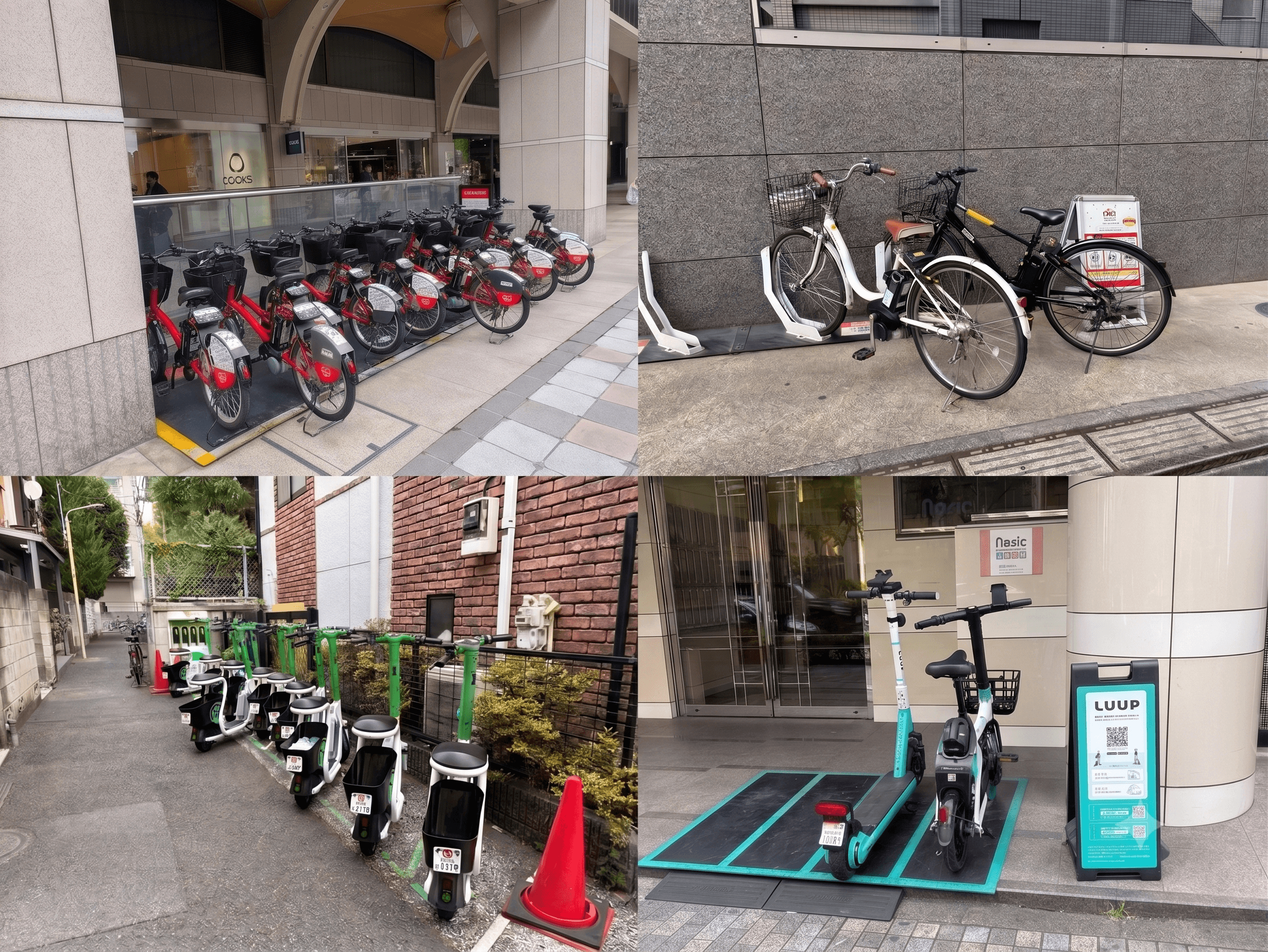
Walking around Tokyo, you'll notice colorful shared bikes seemingly everywhere. Whether you're heading to a destination a bit too far from the station or just want a companion for casual city wandering, they're a convenient option for both tourists and residents.
That said, each of the four services has its own strengths and weaknesses — picking one just because it happened to be nearby can end up costing you. In this article, we scored each service out of 10 points across three categories — port availability, pricing, and bike quality — based on real-world use cases.
Author's Ranking:
- Docomo Bike Share — Overall #1, thanks to the best balance of stations near stations and pricing
- LUUP — Rapidly expanding port network and great for short hops
- LIME — Comfortable seated riding and an expanding service area
- HELLO CYCLING — Wide coverage reaching Tokyo's outer areas
1. Docomo Bike Share
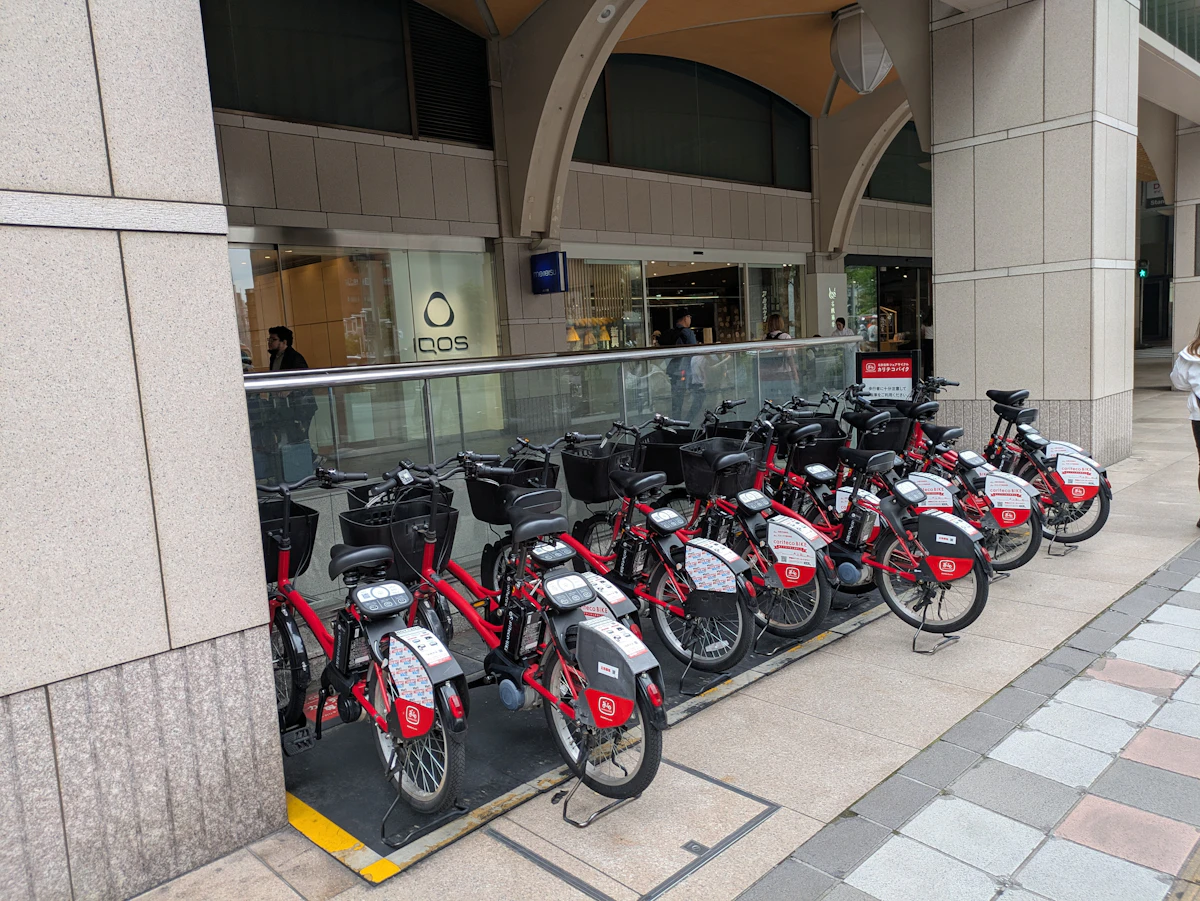
Operated as a joint venture with local municipalities, it offers the best station accessibility of all four services. With pricing designed for everyday use, it's the top pick for both sightseeing and commuting.
Port Availability: 8/10
Large ports are plentiful in front of stations, and their locations are easy to find with high visibility. Beyond station areas, ports are also widely placed around sightseeing spots and throughout the city.
Pricing: 9/10
The rate of ¥165 for 30 minutes offers outstanding value. Heavy users can subscribe to a monthly membership (¥2,200, tax included) for unlimited rides for a full month. If you're planning a day of sightseeing or longer rides, a one-day pass (¥1,650, tax included) — available at convenience stores like 7-Eleven and FamilyMart — is convenient, offering unlimited rides until 11:59 PM on the day of purchase.
Note: A price revision is planned starting September 2026, after which the rate is expected to change to ¥99 per 10 minutes. Pricing may differ depending on when you're reading this article, so please check the latest rates in the app before use.
Bike Quality: 6/10
The city-type bikes with 20-inch tires are easy to handle and maneuverable, even for shorter riders. However, riders over 180cm may find them a bit small. Only electric bicycles are offered — no kick scooters.
2. LUUP
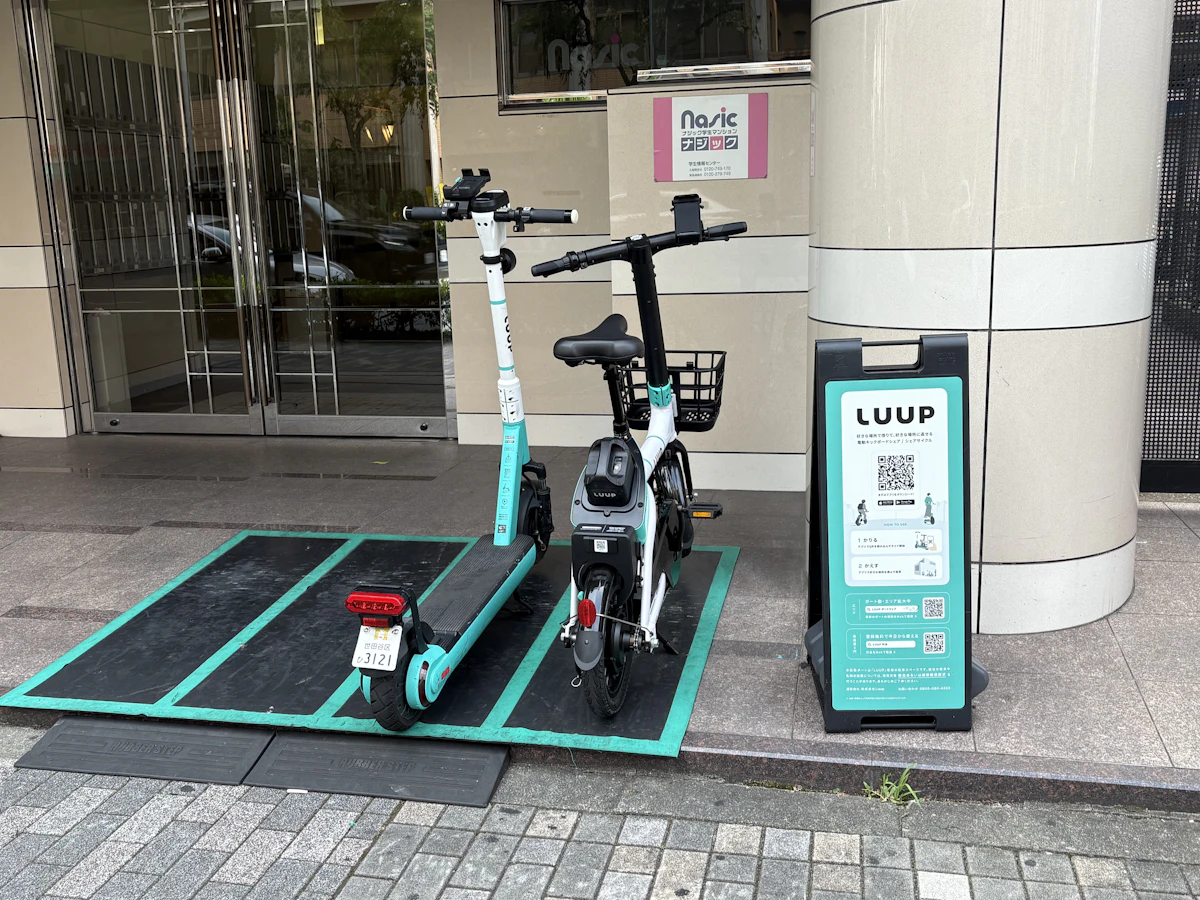
A rapidly growing kick-scooter and bike-sharing service with an equally fast-growing port network. It boasts the largest number of ports in Tokyo, making it strong for quick trips.
Port Availability: 8/10
The number of ports is increasing dramatically. While each individual port tends to be small, they're scattered virtually everywhere. This is especially true around Shibuya and Shinjuku, where LUUP's port count far outpaces the competition.
Pricing: 5/10
Pay-as-you-go pricing: a ¥50 base fee plus ¥20 per minute. A 30-minute ride comes out to ¥650, making it less suited for longer trips. Kick scooters and electric bicycles are priced the same. Subscribing to the paid plan (¥980, tax included) brings the cost down to ¥200 per 30 minutes, which is worth considering if you use the service regularly.
Bike Quality: 6/10
The compact electric bicycles have 14-inch tires and are extremely maneuverable. Kick scooters are also available, letting you choose the right vehicle for the situation.

3. LIME
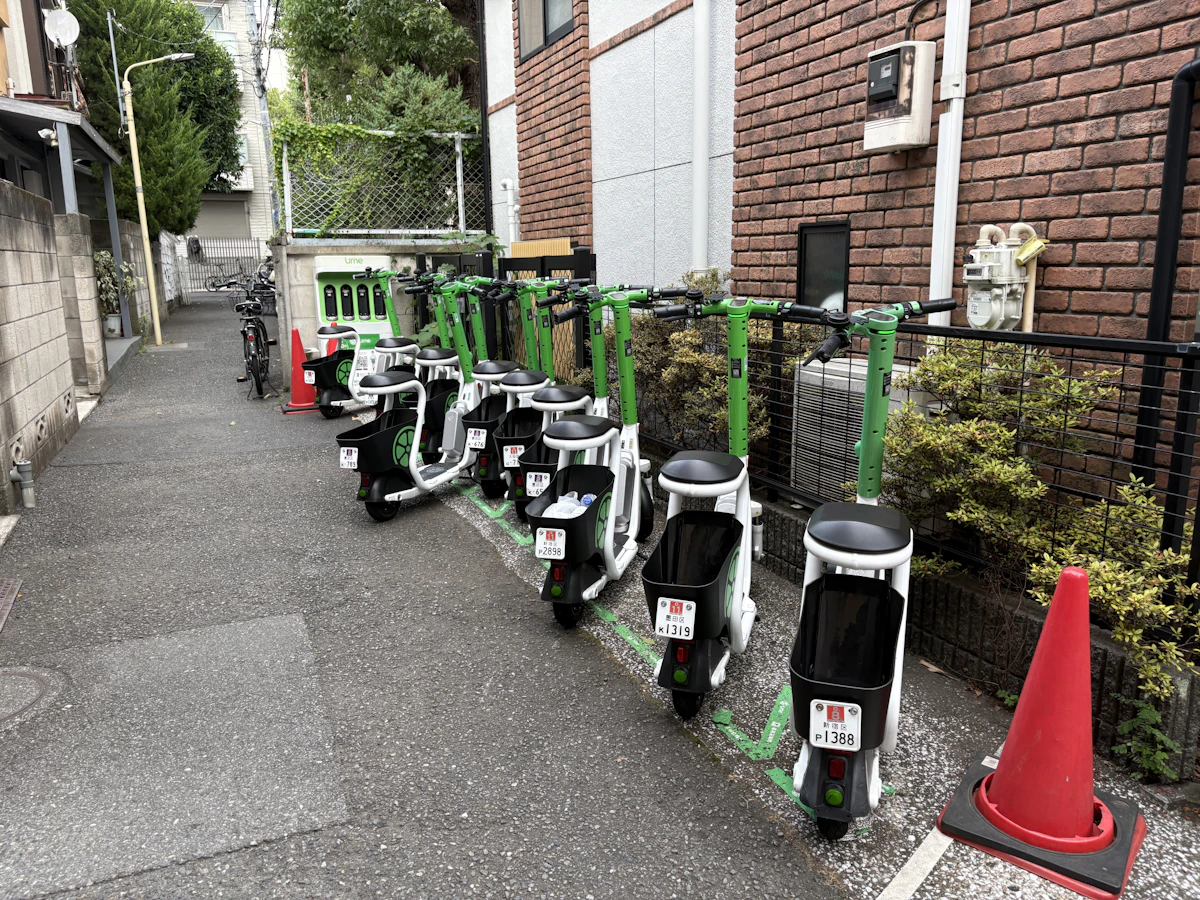
A bike-sharing service used around the world, currently expanding its presence in the Japanese market as well. Its appeal lies in the variety of vehicles available, including electric seated scooters you can ride sitting down.
Port Availability: 5/10
While the number of ports is growing, there are still few in prominent locations, making convenience so-so. Individual ports also tend to be small.
Pricing: 7/10
The first 15 minutes cost ¥90, then ¥20 per minute after that. With the monthly subscription (¥999, tax included), a single ride of up to 20 minutes costs ¥90 (or ¥45 for rides under 5 minutes), with a rate of ¥21 per minute beyond 20 minutes. This is a great deal for rides of 15 minutes or less.
Bike Quality: 8/10
The 24-inch electric bicycles are designed to accommodate a wide range of heights, from 150cm to 190cm. A specialized seated electric scooter is also available, making it a good option for those who find standing rides uncomfortable. The wide variety of vehicle types is a real strength here.
Website: https://www.li.me/ja-jp/
4. HELLO CYCLING
Its biggest strength is coverage — reaching from central Tokyo all the way out to other parts of the country. This service really shines in Tokyo's outer areas rather than downtown.
Port Availability: 5/10
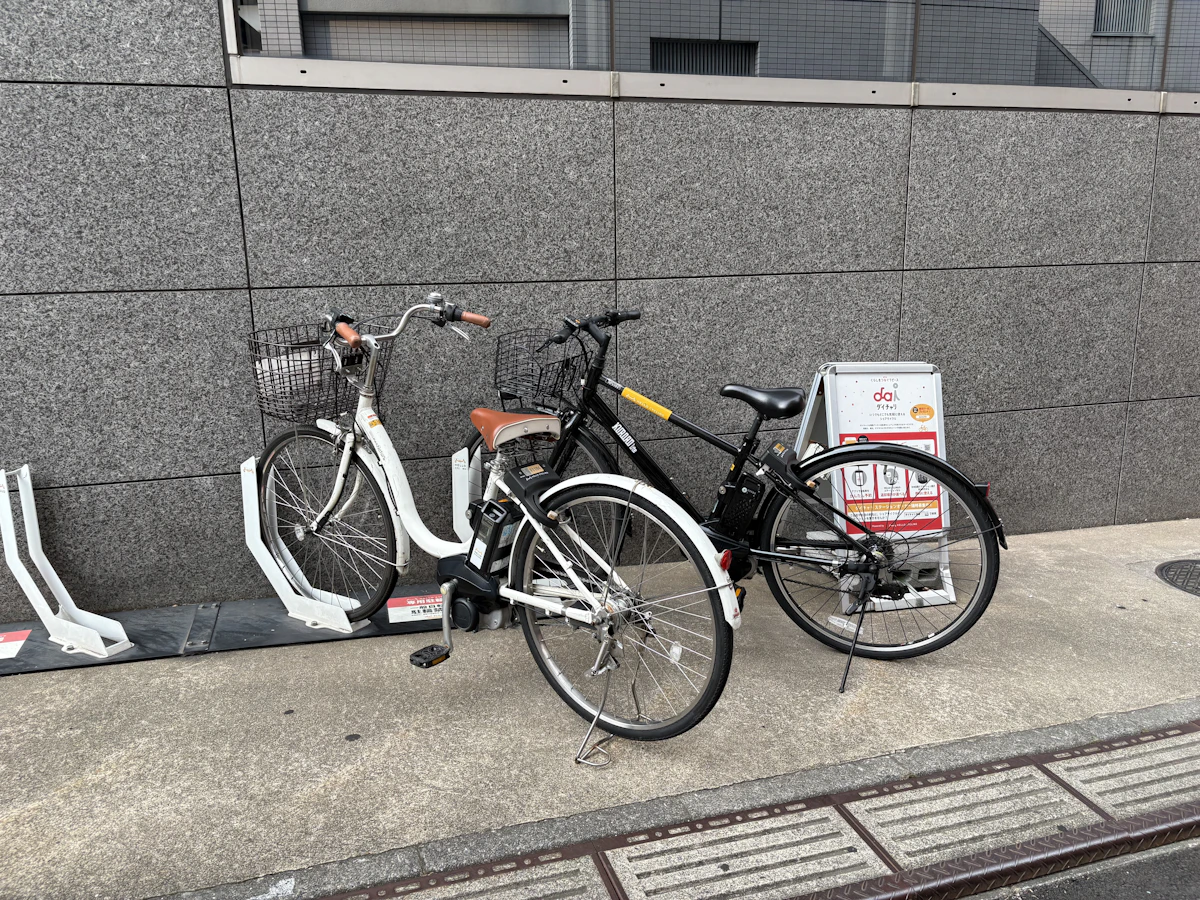
The number of ports within central Tokyo isn't especially high, and individual ports tend to be small. That said, the service has a strong presence in outer areas like Shonan, Chiba, and Saitama.
Pricing: 8/10
The first 30 minutes cost ¥160, then ¥160 per 15 minutes after that. Pricing varies by bike type — sport-type bikes cost ¥200 for the first 30 minutes, then ¥200 per 15 minutes after that.
Bike Quality: 6/10
Electric bicycles are available with either 24-inch or 26-inch tires. You can choose between a city-cycle type (known in Japan as a "mamachari") and a sport-type bike.
How Much Does 15, 30, and 60 Minutes Actually Cost?
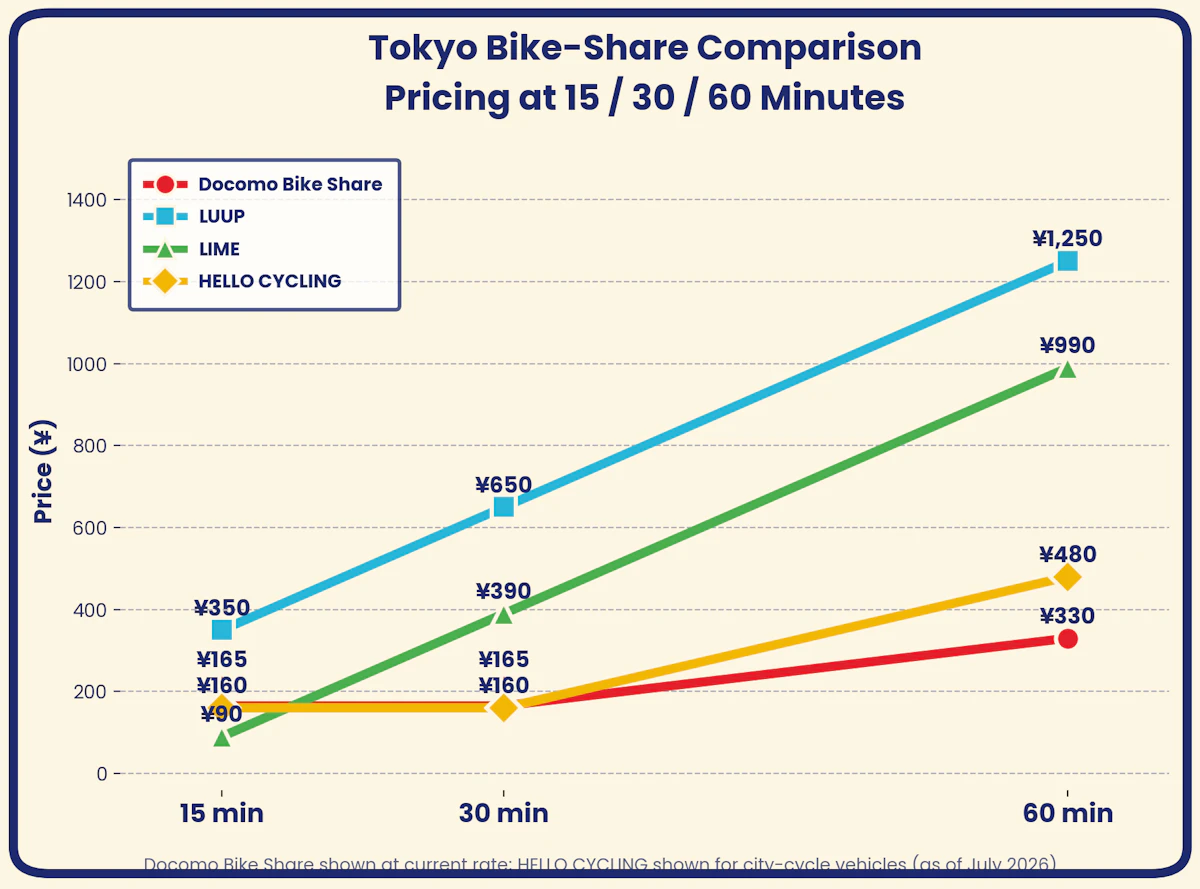
For quick hops, LIME's ¥90 and LUUP's ¥350 are hard to beat. But go for a full hour, and the story changes completely.
LUUP jumps to ¥1,250 and LIME to ¥990, while Docomo Bike Share stays at just ¥330 and HELLO CYCLING at ¥480 — proving their staying power for longer rides.
The right choice really comes down to whether you're going for a short hop or a longer ride.
Note: Docomo Bike Share has a price revision planned for September 2026, so please check the app for the latest rates.
In Summary
For short, casual rides, LUUP or LIME are your best bet. For rides over 30 minutes or everyday use,
Docomo Bike Share or HELLO CYCLING's city bikes have the edge. Pick the service that best matches your area and how long you plan to ride.
This article was translated from the original Japanese with AI assistance and reviewed by our editorial team. The Japanese version is authoritative.