
Kyoto looks compact on a map, but its highlights sit in different directions: the temples cluster around Higashiyama (東山) in the east, the shopping and dining sit downtown near Shijo (四条), and the bamboo and river scenery is out west in Arashiyama (嵐山). So the smartest way to pick a hotel is not "somewhere in Kyoto" but "closest to what I most want to see."
This guide walks through four areas that make good bases, the lodging tax that just changed in March 2026, and how to get around and when to book. If you are coming for the autumn colors, read it alongside our guide to Kyoto autumn leaves 2026 so you can settle your base and your route at the same time.
Pick where you sleep by whichever sight you most want to reach on foot, and your daily travel time drops sharply.
The Quick Answer: Which Area Fits Your Trip
Here is the overview first. Four areas, who each one suits, and the main nearby station.
Area | Best for | Main station |
|---|---|---|
Kyoto Station | Using the bullet train or airport, moving in every direction | JR Kyoto Station |
Gion & Higashiyama | Walking to Kiyomizu-dera, Yasaka Shrine and old streets | Keihan Gion-Shijo / Hankyu Kyoto-Kawaramachi |
Downtown (Kawaramachi & Shijo) | Putting food and shopping first | Hankyu Kyoto-Kawaramachi / Subway Shijo |
Sagano & Arashiyama | Prioritizing nature and quiet | JR Saga-Arashiyama / Randen Arashiyama |
Every area is a trade-off. If it is your first time in Kyoto and you are torn, either Kyoto Station (the transport hub) or Gion & Higashiyama (temples and streets on your doorstep) is hard to get wrong.
Kyoto Station: The Hub for the Bullet Train and Airport
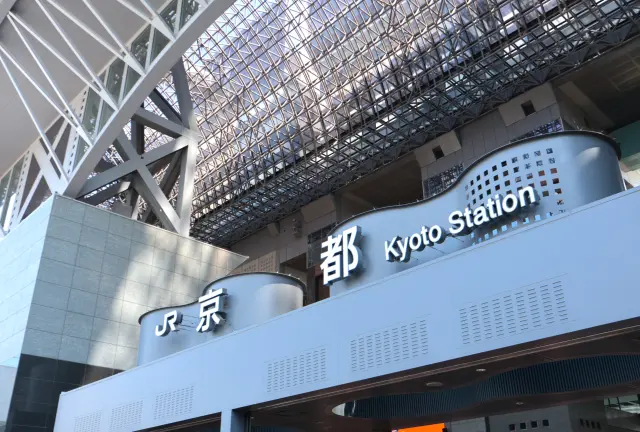
JR Kyoto Station is the city's largest terminal, where the Shinkansen, JR local lines, the Kintetsu line and the Karasuma subway all meet. It is easy to reach straight from Kansai Airport or Osaka, which takes the strain out of arrival and departure days when your bags are heaviest.
Because the Karasuma subway runs north–south right beneath the station, you can reach Shijo and Karasuma-Oike without changing trains. This base suits travelers who want to move around every day, or who plan side trips beyond Kyoto.
The trade-off is that the Higashiyama temples like Kiyomizu-dera and Gion are a bit farther off. On the plus side, this area has the widest range of hotels and price points in the city, so it is easy to match to your budget.
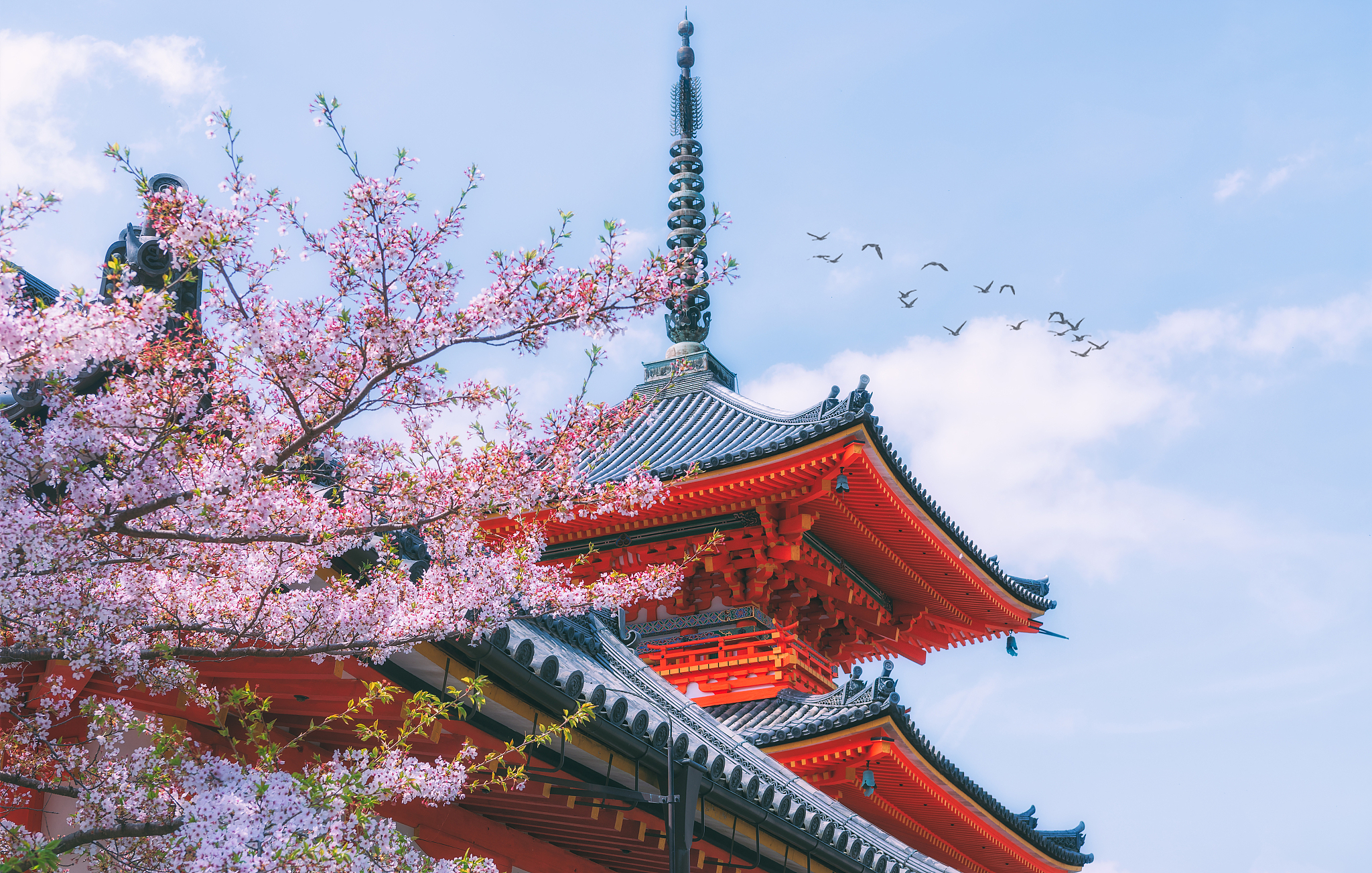
Gion & Higashiyama: Temples and Old Streets on Foot
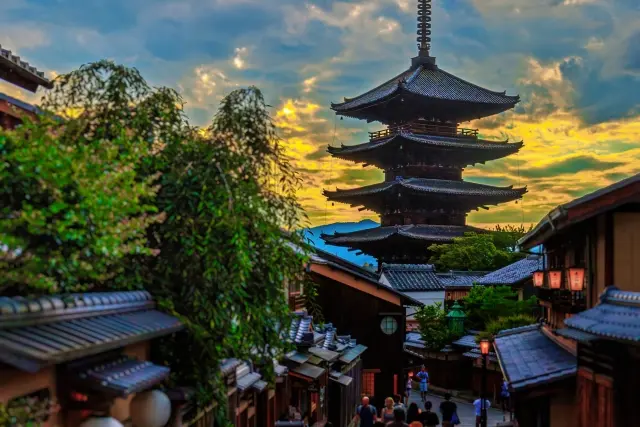
Higashiyama is where Kyoto's postcard scenery gathers: Kiyomizu-dera, Yasaka Shrine, and the lantern-lit lane of Hanamikoji. Staying here lets you walk up to Kiyomizu-dera early, before the crowds arrive — which is the whole point of basing yourself in Higashiyama.
Keihan Gion-Shijo and Hankyu Kyoto-Kawaramachi stations are close, and downtown Shijo is just across the Kamo River. If cobbled lanes and machiya townhouses are what you came for, start your search here.
Because it is so popular, prices climb in the cherry-blossom and autumn seasons and rooms fill early. It suits a calm, atmospheric stay rather than a night-owl one, so keep that in mind if you want a lively base.
Downtown (Kawaramachi & Shijo): The Center for Food and Shopping
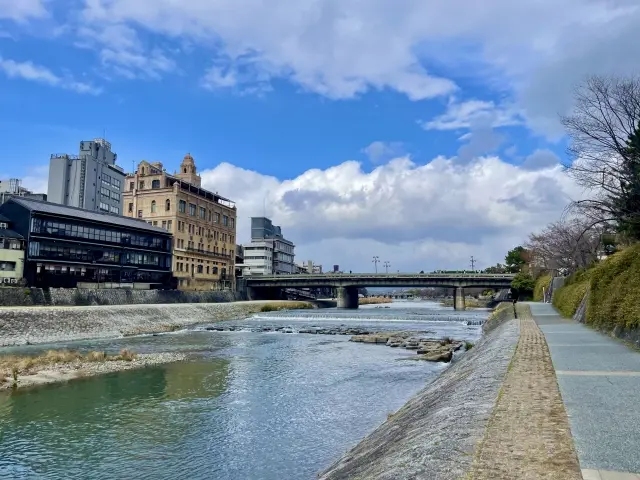
The downtown core around Shijo-Kawaramachi is Kyoto's liveliest district, packed with restaurants, covered shopping arcades and department stores. You can eat and shop late, and convenience stores and pharmacies are everywhere, so this is the pick if day-to-day convenience matters most.
Hankyu Kyoto-Kawaramachi and the Karasuma subway's Shijo Station are close by; the Higashiyama temples are a short walk across the river, and Kyoto Station is one straight subway ride away. It is a well-balanced base that lets you move in all four directions.
Because it sits in the thick of things, rooms facing the main streets can catch some street noise at night. If quiet matters to you, choose a hotel a block off the main avenue for a more restful stay.
Search hotels downtown (Kawaramachi & Shijo) (Trip.com)
Sagano & Arashiyama: Togetsukyo, Bamboo, and Quiet
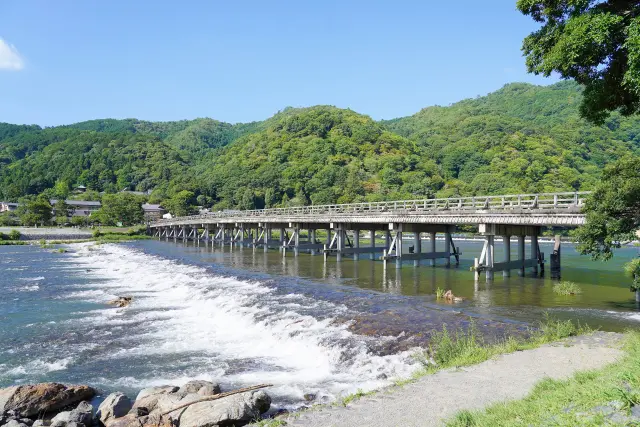
Arashiyama, known for the Togetsukyo Bridge and its bamboo grove, is a green area set apart to the west of the city center. It buzzes with day-trippers by day, but most leave by evening, so staying overnight buys you the quiet early mornings and late afternoons.
You have JR Saga-Arashiyama and the Randen tram's Arashiyama station, and you can ride the JR Sagano Line back to Kyoto Station. It's a fair distance from the center, which makes it right for a stay built around nature, hot springs, or a ryokan rather than city energy.
The flip side is the commuting time if you plan to visit Higashiyama or downtown every day. Unless nature and quiet are the main point of your trip, a more central base will move you around faster.
The New Lodging Tax from March 2026: 200 to 10,000 Yen a Night
Kyoto City's lodging tax (宿泊税) changed for stays from March 1, 2026. The amount depends on your room rate and is charged per person, per night, and paid at the hotel.
Here are the rates from March 1, 2026, per person per night. The tax is based on the room-only rate, excluding meals and consumption tax.
Room rate (per person, per night) | Lodging tax (from March 1, 2026) |
|---|---|
Under 6,000 yen | 200 yen |
6,000 to under 20,000 yen | 400 yen |
20,000 to under 50,000 yen | 1,000 yen |
50,000 to under 100,000 yen | 4,000 yen |
100,000 yen and over | 10,000 yen |
Before the change there were three bands: 200 yen under 20,000 yen, 500 yen from 20,000 to under 50,000 yen, and 1,000 yen at 50,000 yen and above. The increase is steepest at the top: a room of 100,000 yen or more now carries 10,000 yen a night, the highest flat-rate municipal lodging tax in Japan.
The tax is added on top of your room charge. A 12,000-yen room adds 400 yen per person and a 30,000-yen room adds 1,000 yen, with higher-end stays climbing from there. For a family, a group, or a multi-night stay it adds up, so build it into your budget.
Getting Around, Day Passes, and When to Book
Inside the city, the subway is your backbone. The Karasuma Line runs north–south, the Tozai Line runs east–west, and they connect at Karasuma-Oike. To ease bus crowding, Kyoto City ended its bus-only one-day pass at the end of March 2024 and now steers visitors toward the subway.
The current tourist pass is the Subway & Bus One-Day Pass (1,100 yen for adults, 550 yen for children), good for a day on the full subway network and most city buses. On a day spent circling the temple-heavy east and north, a pass like this lets you hop on and off without watching the fare.
Rooms are hardest to get during the autumn colors (mid-to-late November, into early December at a few spots), the cherry blossoms (late March to early April), and the Gion Festival (the float processions fall on July 17 and July 24 in 2026). If your trip lands in one of these three windows, book as soon as your dates are set.
To pair your base with the season's highlights, see Kyoto autumn leaves 2026 for fall, and Kyoto Gozan Okuribi 2026 if you are visiting in August.
This article was translated from the original Japanese with AI assistance and reviewed by our editorial team. The Japanese version is authoritative.


