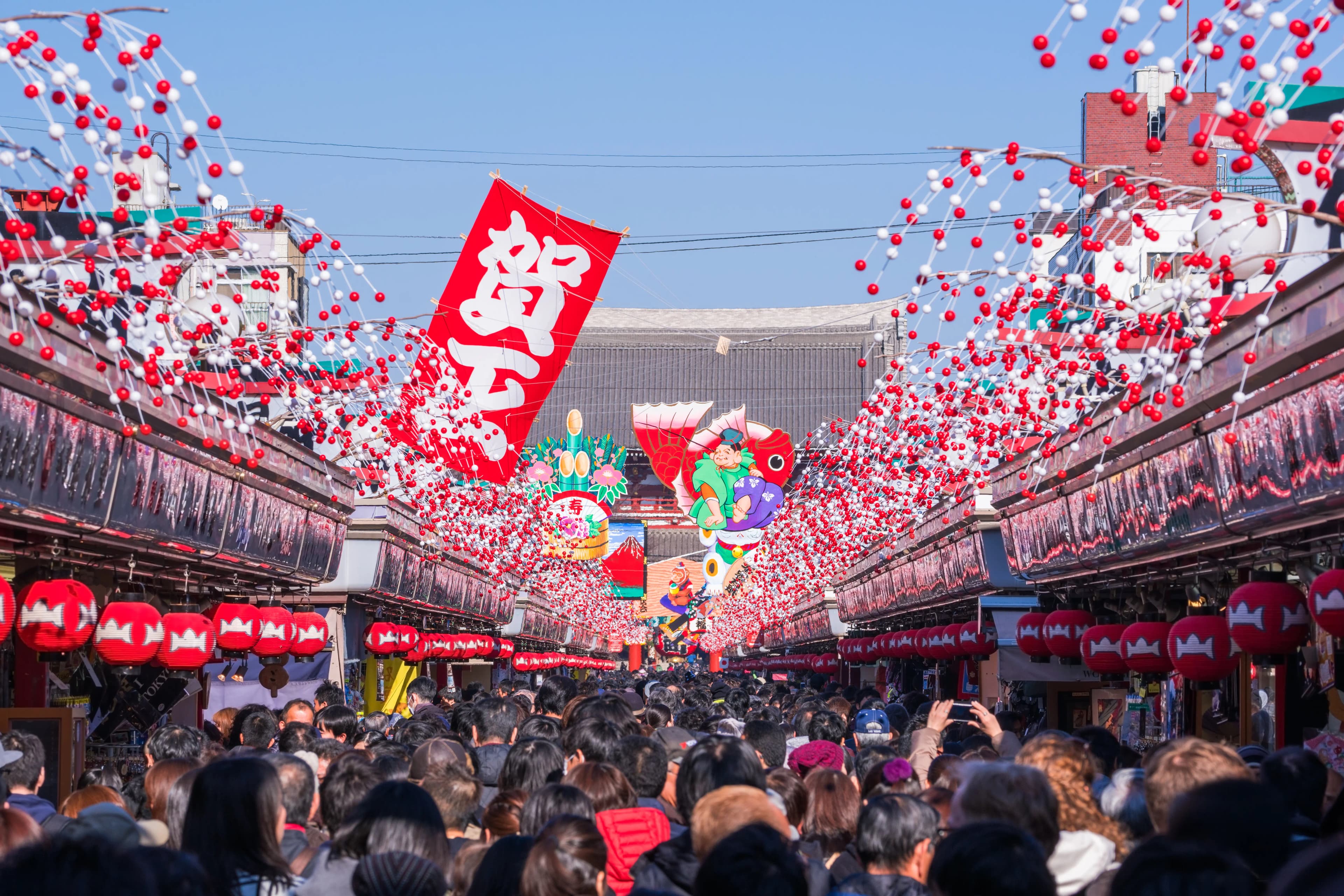
If your trip lands over the New Year holiday, you've probably wondered whether Japan basically shuts down for a few days. The short answer: convenience stores, trains and shrines keep running, while banks and department stores close.
Here's what that actually means for the days you're on the ground, from December 31, 2026 through January 3, 2027 — New Year's Eve plus the sanganichi, Japan's first three days of the year (Jan 1–3). For the public holidays themselves, see the guide to Japan's public holidays.
Rule of thumb: if it's everyday life — convenience stores, trains, shrines — it keeps running. If it's an office or a counter — banks, city halls, department stores — it closes, especially on January 1.
At a glance: the New Year period
The exact hours vary by store and venue, but the broad pattern barely changes from year to year.
Place or service | Dec 31–Jan 3 |
|---|---|
Convenience stores | Usually open as normal (a few branches cut hours or close on Jan 1) |
Convenience-store ATMs | Around the clock; cash withdrawals work through the holiday |
Trains | Running; JR East adds overnight service on major Tokyo lines Dec 31–Jan 1 |
Shrines & temples | Open for hatsumode (some stay open all night) |
Theme parks (Tokyo Disney, USJ) | Open on Jan 1; Dec 31 evening is ticketed countdown only |
Department stores | Closed Jan 1; new-year sales from Jan 2 |
Museums | Most closed around Dec 29–Jan 1 (reopening varies by venue) |
Bank counters | Closed Dec 31–Jan 3 (ATMs still work) |
Post offices & city halls | Closed Dec 31–Jan 3 (city halls from Dec 29) |
Restaurant chains, supermarkets, drugstores | Many open, but Jan 1 depends on the branch |
What stays open throughout
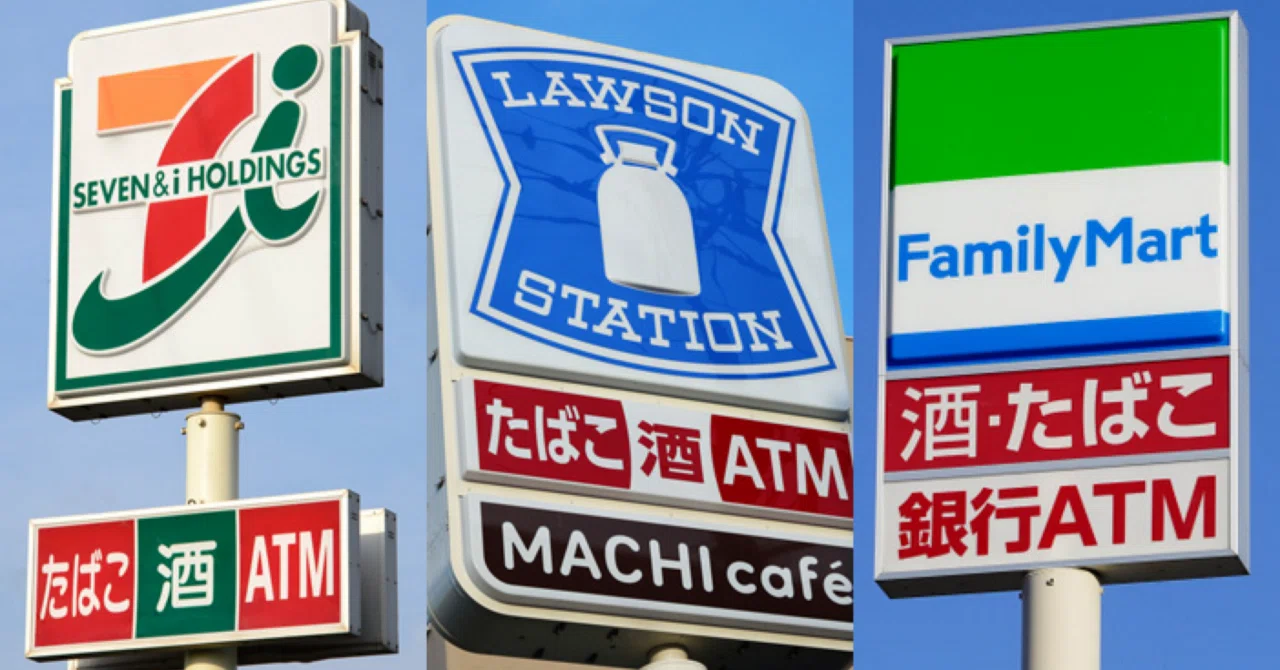
Convenience stores — 7-Eleven, FamilyMart and Lawson run around the clock, year-round, and most stay open on January 1. A few station or campus branches keep shorter hours, and a growing number of franchises now close on New Year's Day, so check the sign out front or the chain's store-finder app.
Cash — Bank counters close, but convenience-store (konbini) ATMs are a separate matter. Seven Bank ATMs run 24 hours a day, all year, and work over the New Year holiday (a partner bank's maintenance can pause them briefly). They accept overseas-issued cards, too. For more on getting cash, see how to withdraw cash in Japan.
Trains — Regular service runs on January 1, usually on a weekend/holiday timetable. On top of that, JR East runs overnight trains on major Tokyo-area lines, such as the Yamanote Line, from New Year's Eve into January 1. Tokyo Metro, by contrast, hasn't run overnight service in recent years. Each operator posts the lines and times every December. Airports run year-round, and the trains that serve them keep to the holiday timetable.
Shrines and temples — They're open from New Year's Eve through the first three days for hatsumode, the year's first prayer. Some, like Meiji Jingu, stay open through the night. For crowd timing and etiquette, see the hatsumode guide.
What tends to close on January 1
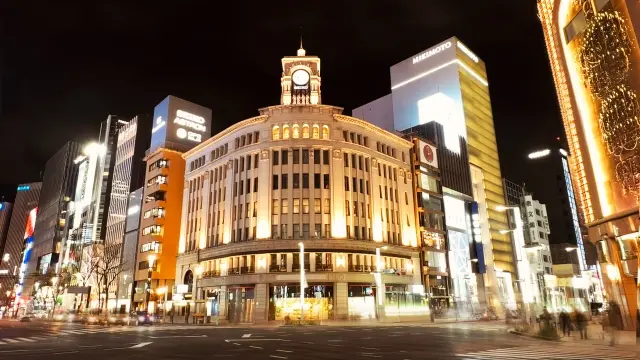
Department stores — Isetan, Mitsukoshi, Takashimaya, Daimaru and the rest generally close on January 1, then open on January 2 for their new-year sales and fukubukuro lucky bags. For how those work, see the fukubukuro guide. Some electronics chains do open on January 1, though, including Bic Camera and Yodobashi Camera.
Museums — Most close from around December 29 through January 1. There are exceptions: the Tokyo National Museum, for one, opens on the afternoon of January 1 for its New Year program. Check each venue's official calendar before you go.
Counters closed (but ATMs run)
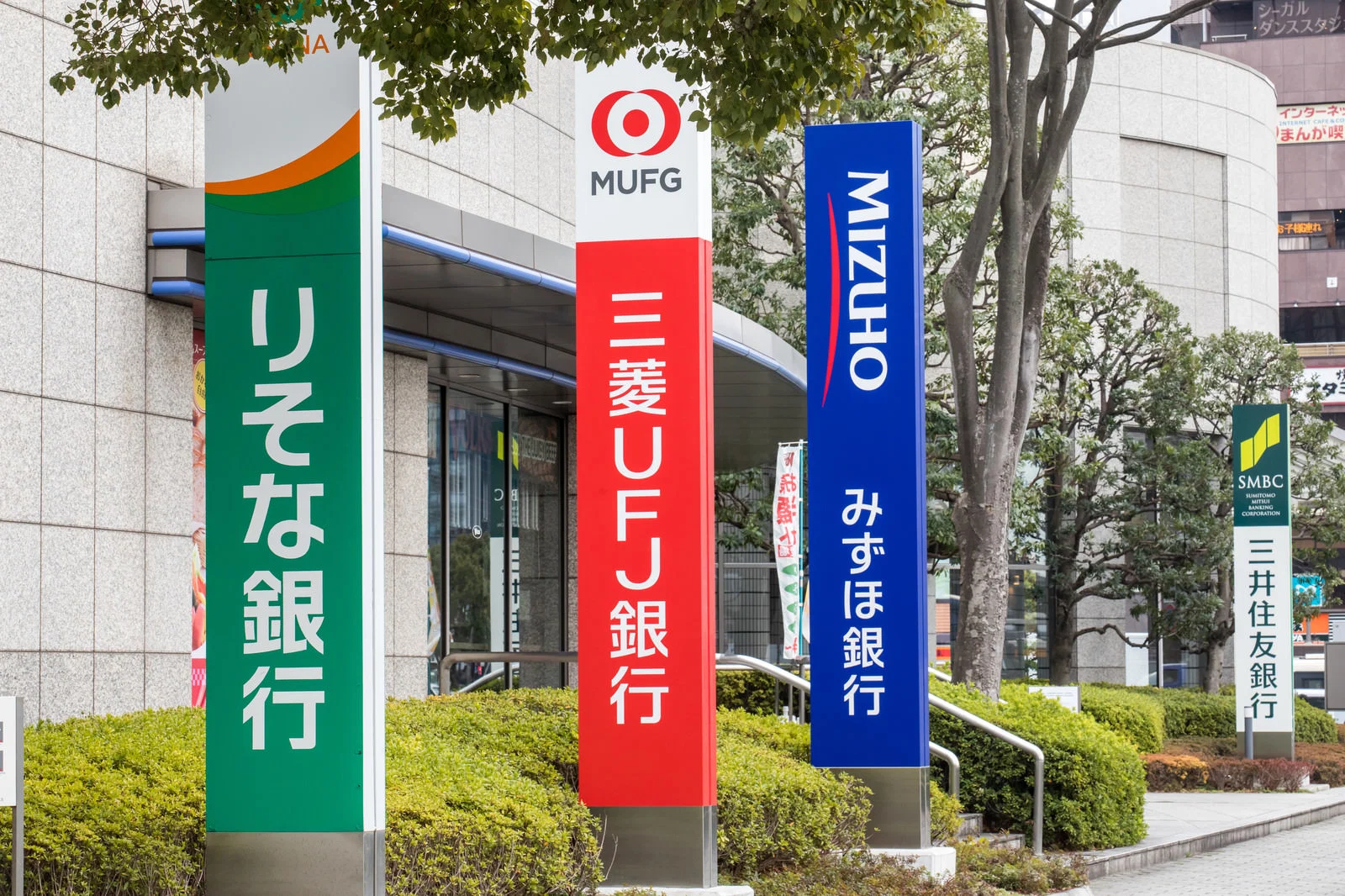
Banks — Bank counters close from December 31 to January 3 under Japan's Banking Act (Article 15, with Article 5 of its enforcement order setting the dates). You can't change money or complete transactions at a bank counter in that window, but as noted, ATM withdrawals still work. Counters reopen on January 4 — a Monday in 2026–27.
Post offices and city halls — Post office counters (mail, banking, insurance) also close from December 31 to January 3 and reopen on January 4; larger branches sometimes keep an after-hours service counter open. City and ward offices generally close from December 29 to January 3.
Restaurants, supermarkets and drugstores: it depends
Restaurant chains — McDonald's, the beef-bowl chains (Sukiya, Matsuya, Yoshinoya), family restaurants and Starbucks mostly run year-round, and many stay open over the New Year holiday. Even so, some close or shorten hours on January 1, and branches inside malls follow the mall's hours.
Supermarkets — Large supermarkets such as Aeon are mostly open on January 1, though New Year's Eve and early January often bring shorter or irregular hours, and the grocery section and specialty shops can differ.
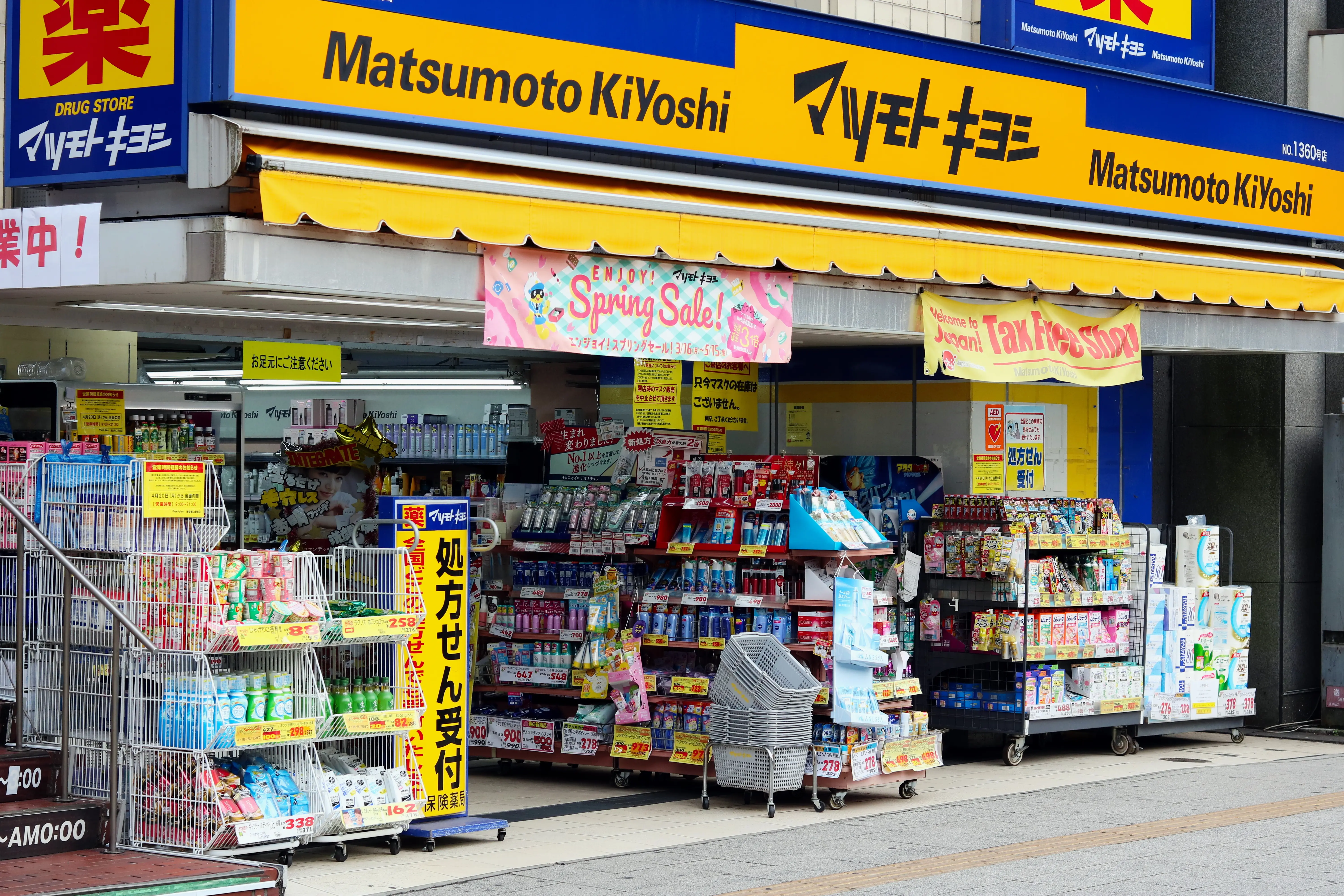
Drugstores — Chains like Matsumoto Kiyoshi usually stay open, but many trim their hours from December 31 to January 3, and the pharmacy counter may close.
The common thread: many stay open, but whether they open on January 1 comes down to the individual branch. Look up the specific store before you count on it.
New Year's Eve and Day only
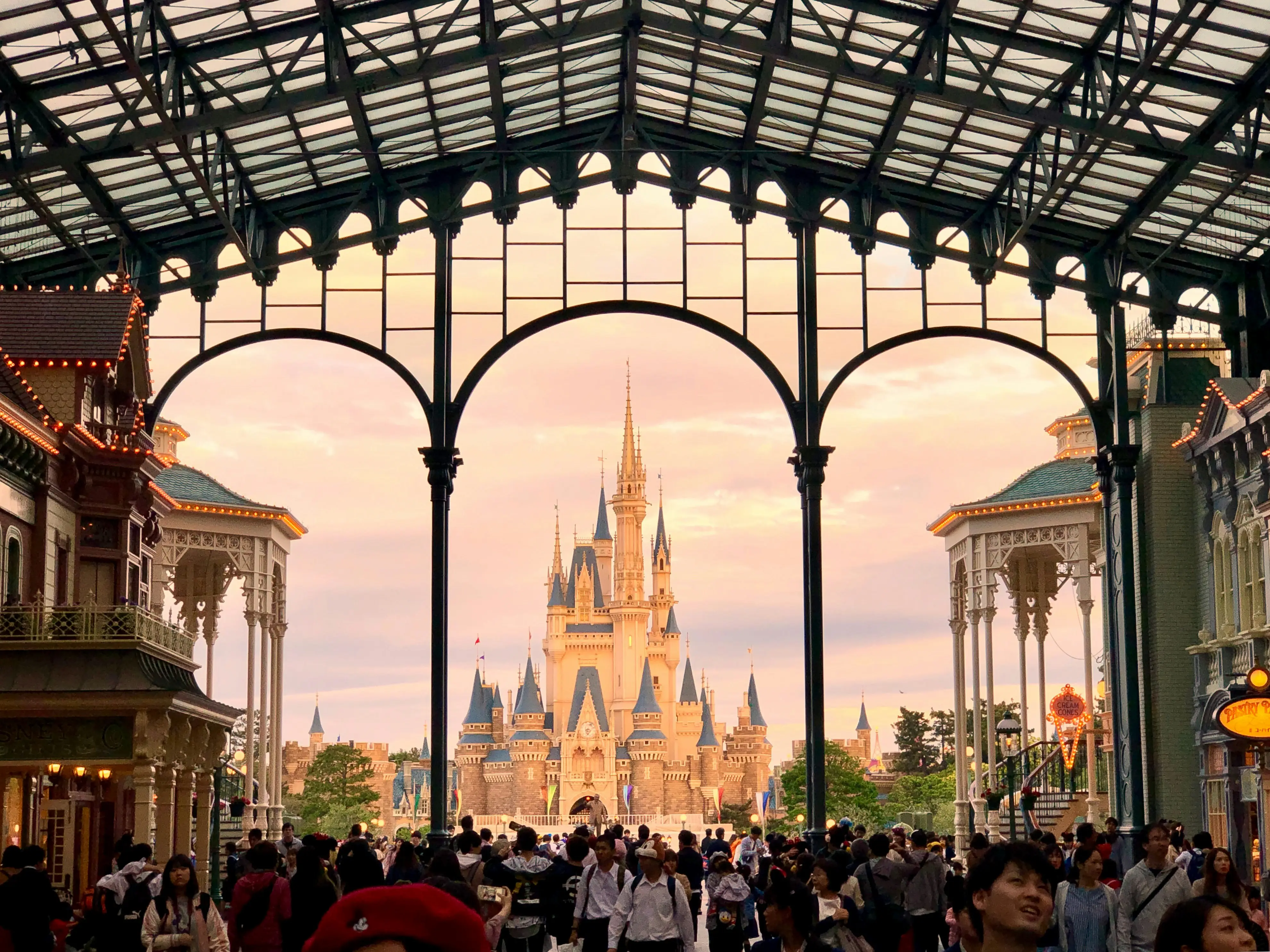
Theme parks — Tokyo Disney Resort and Universal Studios Japan are both open on January 1. Daytime hours are normal, but on New Year's Eve the parks hold ticketed countdown events at night, so check each park's operating calendar for the exact hours, which change from year to year.
First sunrise — Tokyo Skytree and Tokyo Tower offer special early opening hours on January 1 so visitors can catch the year's first sunrise from the observation decks. Admission usually requires a paid reservation, and spots fill up fast.
One last check before you go
This is an evergreen guide we update each year, and the exact 2026–27 dates for each company are typically confirmed in December. Right before your trip, double-check the official site or app for the specific places you're heading to.
Some spots, like the Tsukiji Outer Market, close for the first few days of January and get back to normal around January 5 — see the Tsukiji Outer Market hours. But the basic rhythm holds: convenience stores, trains and shrines keep going, while banks and department stores rest. Keep that in mind, and a New Year trip won't catch you off guard.
This article was translated from the original Japanese with AI assistance and reviewed by our editorial team. The Japanese version is authoritative.