
Mount Fuji looks deceptively simple from the train window: a smooth, solitary cone, 3,776 meters of it.
Up close it's a long, cold, lung-burning slog over loose volcanic gravel, and 2026 is the year the rules tightened.
Every trail now charges a ¥4,000 toll, you register before you go, and the gates close at night to stop people from rushing the summit without sleep. None of that should put you off. It just means a little planning goes a long way.
It also means treating Fuji as a two-day trip, not a day hike: you climb partway, sleep in a mountain hut, and climb the last stretch for sunrise. This guide covers the practical side of that plan — when the trails open, what you'll pay, how the new permit system works on each side of the mountain, how to reach the trailhead, and what to actually carry.
When the Trails Open (2026 Dates)
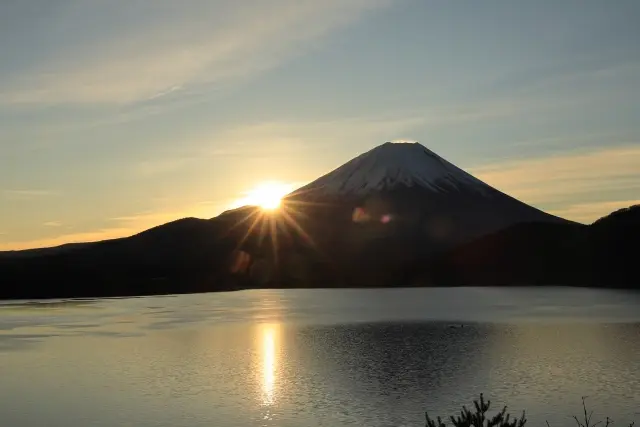
Fuji has four trails, and they don't all open on the same day. Two start the season earlier than the others.
Yoshida Trail (Yamanashi side): July 1 – September 10
Subashiri Trail (Shizuoka side): July 1 (the trail opens at 9:00 a.m. that day) – September 10
Fujinomiya and Gotemba Trails (Shizuoka side): July 10 (opening at 9:00 a.m.) – September 10 (planned)
Outside those dates the trails are officially closed, and climbing a closed Fuji — no open huts, no staff, no rescue on standby — is genuinely dangerous rather than adventurous.
The season is short for a reason. Bear in mind too that heavy snow or bad weather can push the opening back, so check the official site before you lock anything in.
Which Trail Should You Pick?
Decide this first, because it determines which side's rules you'll follow. For a first climb, the Yoshida Trail is the straightforward answer. It has the most mountain huts, the most first-aid stations, and the easiest access from Tokyo. That popularity is also why it's the most crowded. Rough climbing times by route:
Yoshida: about 6 hours up, 3 hours down
Fujinomiya: about 5 hours up, 3 hours down (the shortest)
Subashiri: about 7 hours up, 4 hours down
Gotemba: about 9 hours up, 4 hours down (the longest)
Fujinomiya is the shortest climb and the natural pick if you're coming from the Osaka–Nagoya direction. Gotemba is long, quiet, and not a beginner's trail. If it's your first time and you're starting from Tokyo, take Yoshida and don't overthink it.
One navigation note for Yoshida: the up and down routes are separate trails, and at the descent fork the other branch peels off toward Subashiri. Plenty of tired climbers have taken the wrong one, so follow the descent signs carefully.
The Rules Changed: The ¥4,000 Toll and Registration
Here's the part that's new, and the part most older guides get wrong.
For 2026, every trail charges ¥4,000 per person, per climb. How you pay and register depends on which side of the mountain you're on.
On the Yamanashi side (Yoshida Trail), you pay the ¥4,000 toll, and a reservation is recommended but not required — you can still register and pay on the spot at the 5th Station on the day.
Reservations and payment go through the official Mt. Fuji climbing website.
Two firm rules apply.
The trail gate is closed from 2:00 p.m. to 3:00 a.m. (the next morning) to anyone who isn't staying in a mountain hut, so if you're climbing without a hut booking, you have to be through the gate by 2:00 p.m. And there's a daily cap of 4,000 climbers, hut guests excluded; on a busy summer weekend it can fill, which is one more reason to book ahead.
On the Shizuoka side (Subashiri, Gotemba, Fujinomiya), the ¥4,000 fee is the same, but registration takes a few more steps. You sign up through the "Shizuoka FUJI NAVI" smartphone app, complete a short e-learning session, pass a quick "Fuji test," and receive a QR-code entry pass. Pre-registration opened on May 8, 2026, so there's no reason to leave it late. The same night rule applies: between 2:00 p.m. and 3:00 a.m. you can only enter if you have a mountain hut booked. Unlike Yamanashi, Shizuoka doesn't set a daily climber cap.
Both changes exist to stop one specific thing: "bullet climbing" (dangan tozan / 弾丸登山, literally "bullet climb") — starting at night, skipping sleep, and pushing straight for the summit. People get hypothermia and altitude sickness doing it every year. The mountain is now built to make you slow down, and that's a good thing.
Getting to the 5th Station
Most people start partway up, at a "5th Station": Fuji Subaru Line 5th Station for Yoshida, and the Subashiri, Gotemba, and Fujinomiya 5th Stations for the others.
For the Yoshida side, the simplest way up by public transport is the Fujikyu climbing bus from Kawaguchiko Station or Fujisan Station to the Fuji Subaru Line 5th Station. It runs July 1 to September 10 and costs ¥2,000 one way or ¥3,400 round trip. In peak season a seasonal direct bus also runs from Shinjuku in Tokyo straight to the 5th Station, saving you a transfer.
If you'd rather drive, watch for the private-car restriction on the Fuji Subaru Line. From 6:00 p.m. on July 3 to 6:00 p.m. on September 10, 2026, you can't take your own car up to the 5th Station. You park instead at the Yamanashi Prefectural Fuji-Hokuroku Parking lot (¥1,000 per car) and ride a paid shuttle bus or a taxi the rest of the way. Hybrid cars are included in the restriction; EVs and fuel-cell vehicles can apply in advance for an exemption. For most travelers, honestly, the bus beats renting a car at all.
What to Pack (and Why It Matters)
Fuji is cold. The temperature drops about 0.6°C for every 100 meters you climb, so even in midsummer the summit feels like deep winter. The official guidance is blunt about it: before sunrise the temperature can fall close to 0°C, in July and August alike. People underestimate this constantly. The official essentials:
- Proper hiking boots (high-cut, stiff sole), not sneakers
- Separate top-and-bottom rain gear — a poncho won't survive Fuji's wind
- Warm layers: fleece or down, gloves, a neck warmer
- A headlamp, plus spare batteries (you'll climb in the dark for the sunrise)
- 1–2 liters of water and high-calorie snacks
- Cash, including plenty of ¥100 coins, since the mountain toilets charge a fee (usually ¥200–300 each) and there are no card readers up there
Skip the gear and you're not roughing it; you're the person the huts and rescue teams end up worrying about. Dress for winter, even in August.
Sleep in a Hut, Catch the Sunrise
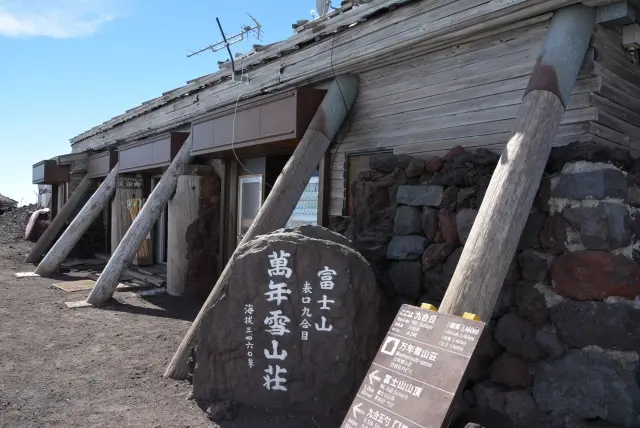
That's the whole point of the new gate hours: get most of the climb done in daylight, rest, then head up for the summit in the dark. The sunrise above the clouds, called goraikou (ご来光), is the reason most people climb Fuji at all, and it earns the early alarm.
Budget for the hut, because it's the single biggest cost of the climb, more than the toll. For 2026, expect roughly ¥11,000 to ¥18,000 per person for one night with dinner and breakfast at the 7th- and 8th-station huts most climbers use for the sunrise, with weekends and peak dates (mid-August especially) at the top of that range. Each hut sets its own price, and the popular ones book up months ahead for summer weekends, so reserve directly with the hut as early as you can. A hut night isn't luxury — a shared bunk, a hot meal, a few restless hours of thin-air sleep — but it's what keeps the climb safe and legal under the night-entry rules.
The Bottom Line
Pick a date inside the season (July 1 for Yoshida or Subashiri, July 10 for Fujinomiya and Gotemba, all closing September 10). Choose your trail, budget ¥4,000 for the toll and more again for the hut, register the right way for your side of the mountain, and pack for winter. All in — toll, hut, and local transport, with gear set aside — most climbers spend somewhere around ¥20,000 to ¥30,000 per person, landing nearer the top of that range if you're traveling in from Tokyo. This is a two-day plan, not a sprint up and back. Do it that way and Fuji turns from an intimidating slog into one of the best nights you'll have in Japan.
▶ Mt. Fuji Climbing Official Site (English)
▶ Yoshida Trail 2026 rules (toll, gate hours, daily cap)
▶ Shizuoka-side registration (Subashiri / Gotemba / Fujinomiya)
This article was translated from the original Japanese with AI assistance and reviewed by our editorial team. The Japanese version is authoritative.

