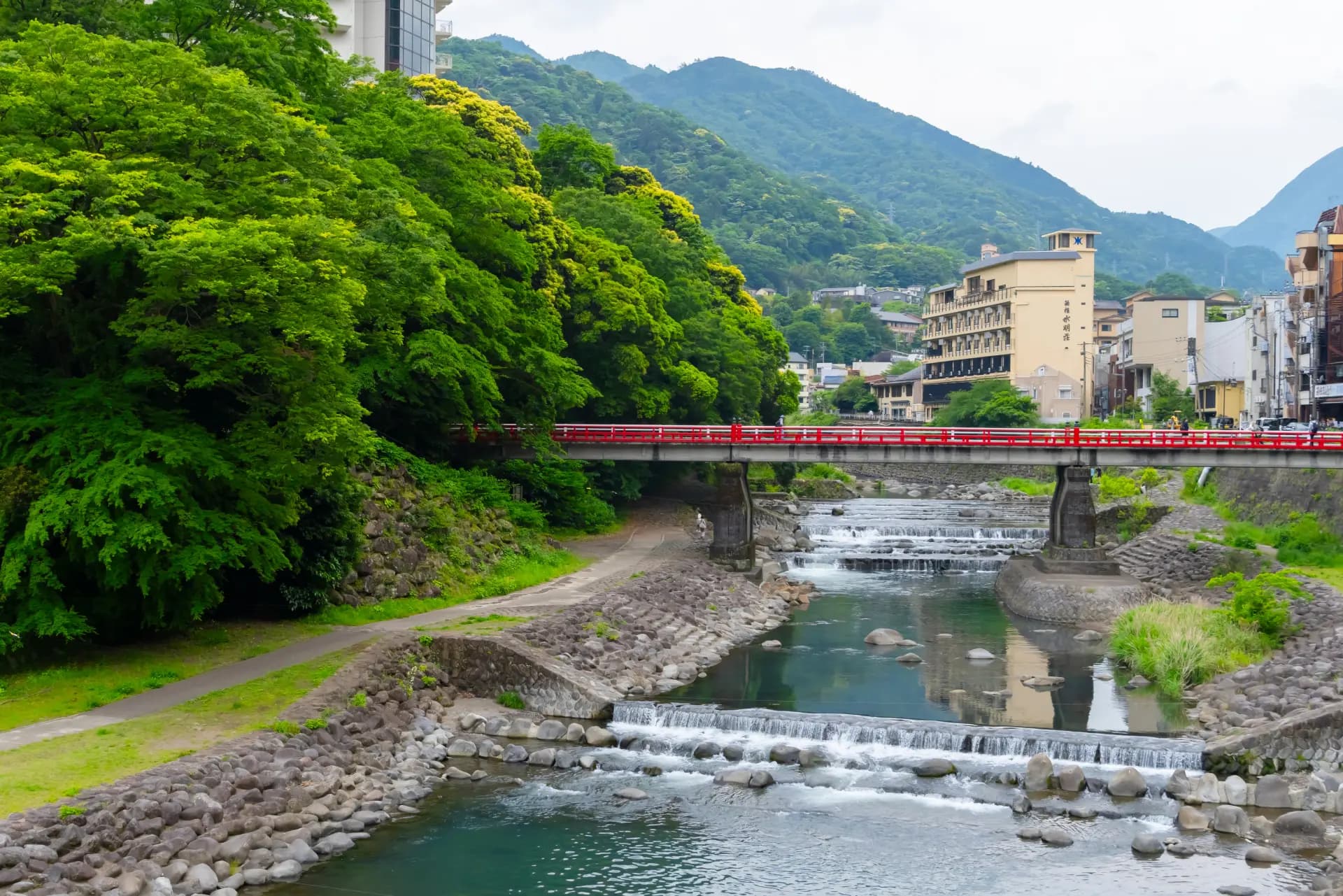
Across the slopes of Mt. Daigatake in Sengokuhara, a whole hillside vanishes under silver grass (susuki). As autumn deepens the plumes turn gold, and one narrow path runs straight through the middle of the field. On a clear day you can see the surrounding Hakone mountains over the tops of the grass — it is one of the defining autumn views in Hakone.
This guide covers when the grass actually turns gold, how to reach it by bus from Hakone-Yumoto, and how to make the most of the walk.
The season runs late September to early November, with the gold deepest from mid- to late October. Entry is free, and it is a single bus ride — 1,100 yen — from Hakone-Yumoto Station.
The grass and the maple leaves (koyo) peak at different times, so I have covered Hakone's foliage separately in Hakone Autumn Leaves 2026. Catching both at their best on the same day is hard, so pick which one leads your visit.
When the grass turns gold
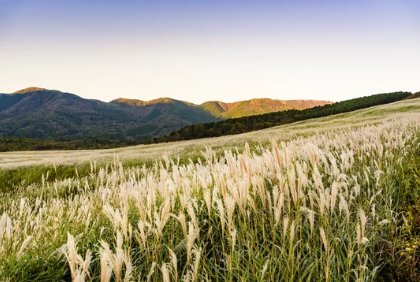
The viewing season runs from late September to early November. The color shifts as the season moves on: early plumes shine silver, then open into a soft gold at their peak, and by late autumn they fade toward a silvery white. The deepest gold usually lands in mid- to late October, though it moves a week or two with the year's weather. Before you set out, check the live color report on the Hakone Navi site.
Official site: 箱根のススキをご紹介します。仙石原一面に広がる黄金のススキ草原。見ごろ情報やススキを楽しむモデルプランなどの観光情報もお届けします。
ススキの見ごろ情報 | 箱根ナビ
Getting there from Hakone-Yumoto
The closest stop is Sengoku-kogen, and the field entrance is about a five-minute walk from it.
Detail | Info |
|---|---|
Nearest bus stop | Sengoku-kogen (stop 252), about 5 min on foot |
From Hakone-Yumoto | Hakone Tozan Bus, Togendai Line (T), approx. |
Fare | 1,100 yen one way (same for cash and IC card) |
From Togendai | approx. |
From Hakone-Yumoto Station, board a Togendai Line bus (look for the "T" on the destination sign) and get off at Sengoku-kogen. It is also about ten minutes by bus from Togendai, the terminal of the Hakone Ropeway. If you hold a Hakone Free Pass, the fare for this stretch is already covered.
If you are driving, leave the Tomei Expressway at the Gotemba IC and follow Route 138 toward Hakone. The roads around Sengokuhara can get busy on autumn weekends, so give yourself extra time.
Official site: 箱根ナビがおすすめする、観光スポット情報、周遊モデルコース、テーマごとの特集、イベント情報を発信。箱根の魅力を日々追求する小田急箱根グループならではの視点から、見どころ満載の情報をお届けします。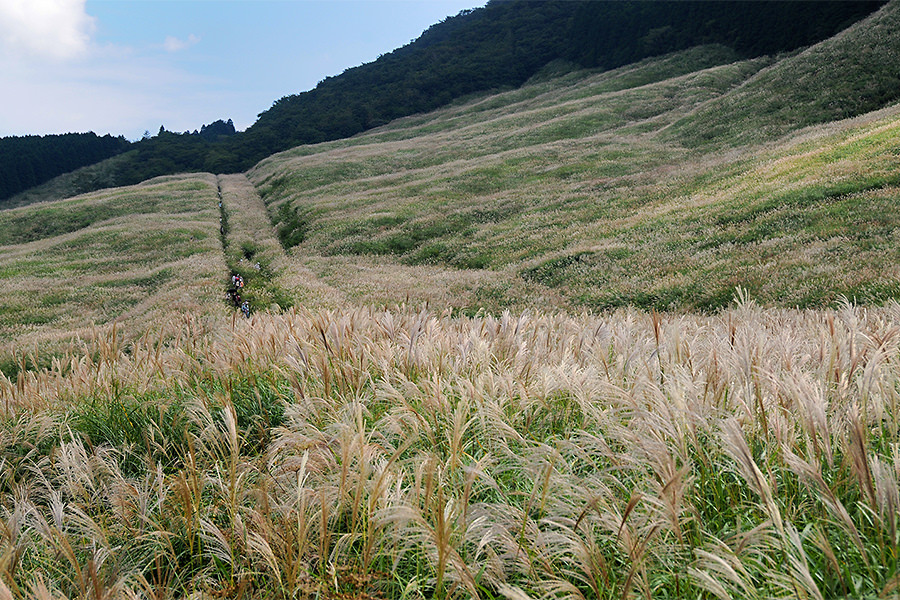
仙石原すすき草原 | 箱根ナビ
Walking the field
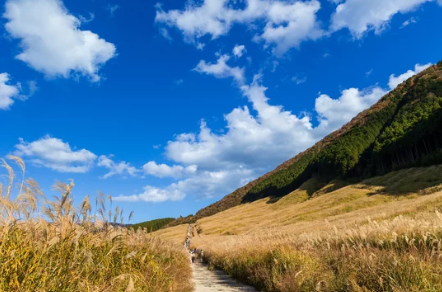
A single path runs right through the grass, so you walk with tall plumes rising on both sides. It is short and flat, more an easy stroll than a hike, and you can walk to the far end and back in well under an hour. Come early in the morning or on a weekday if you would rather have it quiet. With fewer people around, you can stop for photos without holding anyone up.
Look back over your shoulder partway in and the gold slope opens out toward the Hakone mountains. Put someone among the plumes and a single frame catches both how tall the grass stands and how far it runs. There is almost no shade out here, and autumn mornings at this altitude run cool, so a hat, sunscreen, and a light extra layer all earn their place.
The annual burn that keeps it gold
The reason this hillside stays a clean sheet of susuki is a yearly controlled burn (yaki). To protect the landscape, the town of Hakone burns off the dead grass every spring. In 2026 it was first set for March, pushed back several times by weather, and finally carried out on April 8.
New plumes come up through spring and summer and grow into the golden field you see in autumn, so nothing about the burn touches an autumn visit. It is a spring job, finished long before the grass is worth seeing.
Know before you go
The field is free to enter and always open, with no set hours and no reservation needed, so it is easy to slot into a Hakone day on short notice. The Hakone Wetlands Garden sits directly across the road if you want to pair the two.
And if you would like to catch the field first thing in the morning, I have rounded up where to stay in the best onsen hotels in Hakone.
This article was translated from the original Japanese with AI assistance and reviewed by our editorial team. The Japanese version is authoritative.