"Japan is still a cash country, so bring plenty of yen." You've probably heard that advice, and plenty of visitors still show up with a wallet stuffed full of bills.
In 2026, that picture has shifted. According to a new domestic metric released by Japan's Ministry of Economy, Trade and Industry (METI) in March 2026, cashless payments reached 58.0% of spending in 2025.
That's roughly six out of every ten payments. Pretty much anywhere—convenience stores, drugstores, chain restaurants, hotels, department stores—you can swipe a card or tap an IC card.
That said, you can't go entirely cashless either. Small family-run eateries, festival stalls, and temple or shrine admission fees are still cash-only in many cases.
This guide sorts that out: which payment method to use, and when. I've stuck to the stuff travelers actually trip over, updated for 2026.
For the step-by-step details—how to buy an IC card, how to pull yen from an ATM—I've linked out to dedicated guides along the way.
The short answer: four methods, and when to use each
Short version: no, Japan is no longer cash-only—but it isn't fully cashless either. It helps to think of paying here as four buckets.
Payment method | Best for | Setup for visitors |
Transit IC card (Suica/PASMO) | Trains and buses, konbini, vending machines, small purchases | ◎ Tourist versions sold at the airport |
Credit card / contactless | Chains, hotels, department stores, restaurants, some trains | ◎ Your own card works as-is |
Cash | Small eateries, festival stalls, temples, some ryokan and sento | ○ You'll need an ATM for yen |
QR payment (PayPay, etc. | Konbini, restaurants, and other member shops | △ App setup is a hurdle, but Alipay / WeChat Pay users are covered |
(◎ = ready the moment you land · ○ = one quick ATM stop · △ = an app hurdle for most visitors)
In short: tap an IC card for trains and small stuff, use a credit card for bigger purchases, and keep a little cash for the gaps. That's the easiest combo in 2026. Here's each one in turn.
Transit IC cards: the one card you'll reach for most
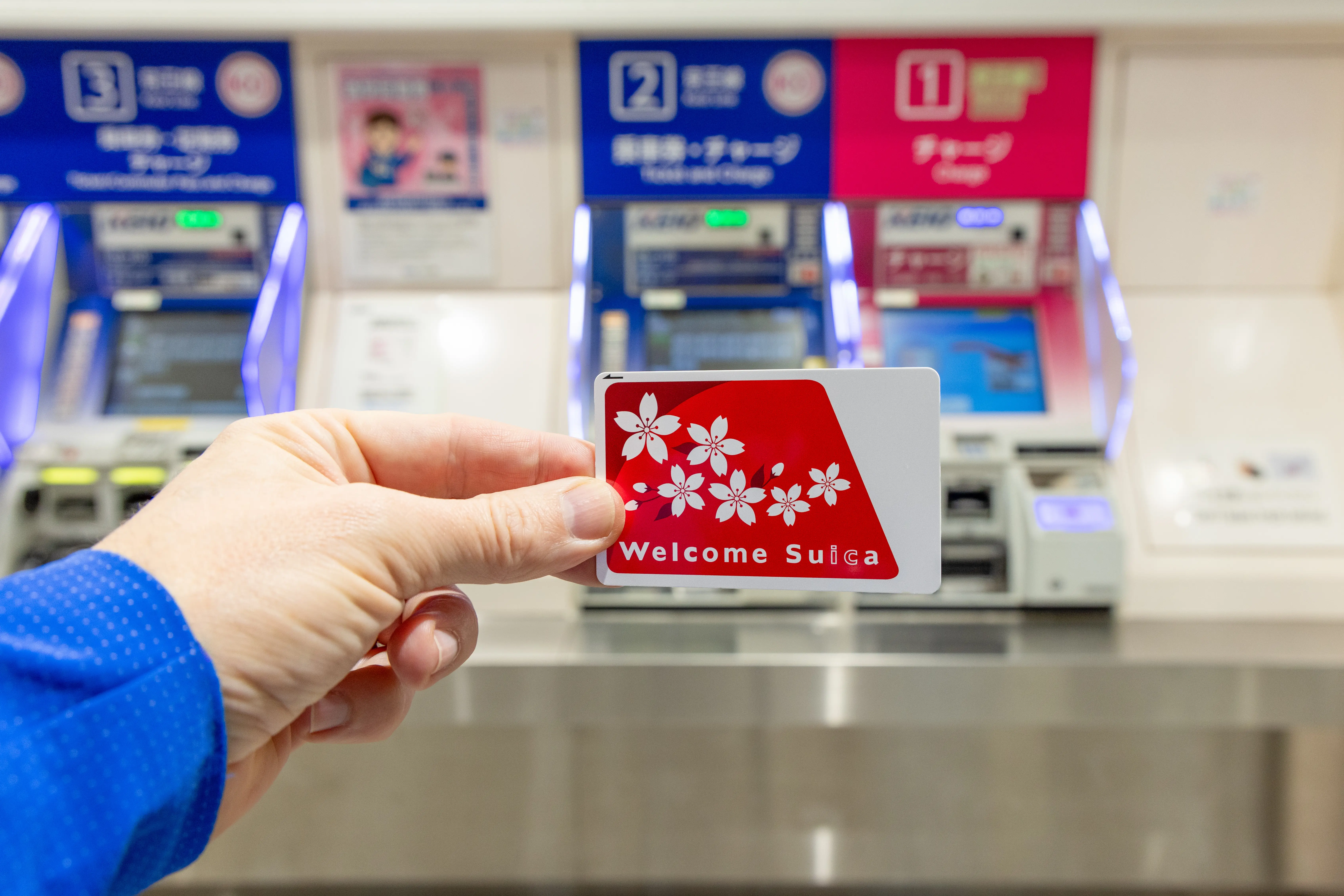
Transit IC cards—Suica and PASMO being the big two—do far more than tap you through train and bus gates.
They also work at convenience stores, vending machines, station kiosks, and a long list of chain shops.
No fumbling for coins—just a tap—which is why it's the card you'll reach for most.
A chip shortage forced a pause on sales of unregistered (no-name) Suica and PASMO cards back in 2023, but sales resumed in March 2025, so in 2026 you can buy one normally again.
For visitors, the tourist versions sold at the airport are the easy route.
Welcome Suica (card) | No deposit; valid for 28 days from purchase. |
|---|---|
Welcome Suica Mobile | An iPhone app launched in 2025. |
TOURIST PASMO | A visitor card introduced in May 2026. |
You can also load a Mobile Suica or Mobile PASMO onto your own smartphone. A separate guide covers how to buy one, how the options differ, and where to get it.
Credit cards and contactless: your own card takes the lead
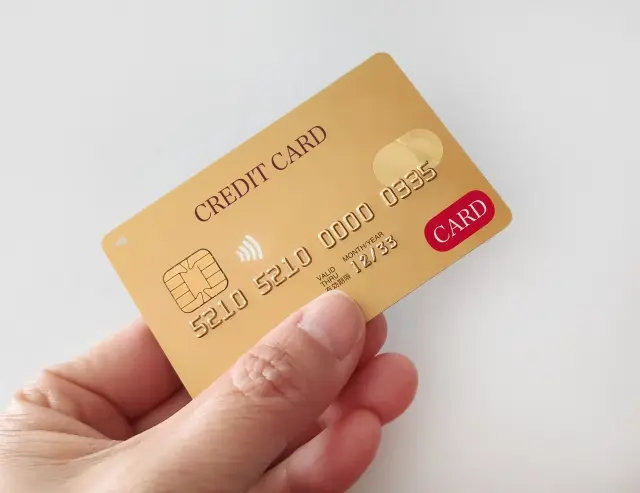
Foreign-issued credit cards—Visa, Mastercard, JCB, American Express—work without trouble at chains, hotels, department stores, and larger restaurants. More and more shops now take contactless, where you just tap the card on the reader.
There's one more change travelers will appreciate. As of March 25, 2026, you can tap a contactless credit card through the ticket gates on 54 lines and 729 stations across 11 railway operators in Kanto (Tokyo Metro, Toei Subway, Tokyu, and others).
Seven brands are accepted: Visa, Mastercard, JCB, American Express, Diners Club, Discover, and UnionPay. Even without an IC card, the list of lines you can tap onto keeps growing.
One caveat: this is mostly private railways and subways in Kanto. JR East—the company behind Suica—is not part of this shared scheme, so you can't yet ride everything on a card alone. The same setup is gradually spreading to other cities, too.
One habit to build with a foreign card: if a shop or reader asks whether to pay "in Japanese yen" or "in your home currency," always pick yen.
Choose your home currency and you'll get a lousy exchange rate set by the merchant. This is called DCC (dynamic currency conversion), and we go into it in the ATM guide.
Last thing: not every shop or line is on board. Smaller, independent businesses in particular may not take cards at all. Keep an IC card or some cash on hand for those moments.
QR payments: the Japanese apps are hard to set up—but there's a way
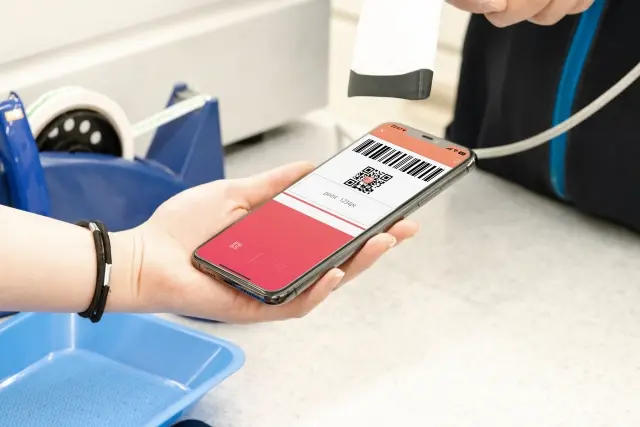
You'll see the "PayPay" logo everywhere. It's Japan's most widely used QR payment, but it's a bit of a hurdle for visitors: PayPay's identity verification is built to be done inside Japan, and it's hard to apply for from abroad. It's not something worth setting up for a short trip.
It's not a dead end, though. At shops that accept PayPay, you can pay with Alipay or WeChat Pay if you already use them. Those apps are mostly used by travelers from China and parts of Asia, so if you're coming from the US or Europe, this probably isn't your route—but it's worth knowing. To do it, open Alipay or WeChat Pay and either scan the shop's PayPay code or show your own barcode for the cashier to scan. So if those apps are already on your phone back home, plenty of Japanese shops will take the same QR.
When you still need cash—and how to get yen
Even as cashless spreads, some places remain cash-only: small independent diners and cafés, festival stalls and markets, temple and shrine admission fees and goshuin (御朱印, hand-written shrine seals), old-school ryokan (旅館) inns and sento (銭湯) bathhouses, and some local buses. Coin lockers increasingly take IC cards, but cash-only ones are still around.
You don't need to carry a wad of bills, though. Keep some cash for these situations and put everything else on an IC card or a credit card—that's the most low-stress way to travel.
When you run low on yen, pull more from a convenience store or post office ATM. Most Japanese bank-branch ATMs don't accept foreign cards, but Seven Bank (inside 7-Eleven) and Japan Post Bank (at post offices) reliably do. Fees and the DCC trap from earlier are covered in our dedicated ATM guide.
Tax-free shopping: the rules change mid-2026
If tax-free shopping is part of your plan, watch for the rule change coming in 2026.
Right now, it's an immediate exemption: consumption tax is taken off at the register in tax-free shops. Spend ¥5,000 or more (pre-tax) at the same store on the same day and show your passport, and you qualify.
But this version runs only through October 31, 2026. From purchases made on November 1, 2026, Japan switches to a refund system: you pay the consumption tax up front and get it back after customs verification when you leave the country. If you're visiting from autumn onward, it's worth knowing the checkout flow will be different. (Official details are linked at the end of this guide.)
Useful guides for the rest of your trip
A few deeper guides for handling money around Japan:
Buying and using transit IC cards: how to buy TOURIST PASMO
Withdrawing yen on a foreign card: Seven Bank, Japan Post, and konbini ATMs that work
Making the most of convenience stores: payments, ATMs, and services
Do you tip in Japan?: tips manners for visitors
Payment ratios, fees, accepted brands, and tax-free rules can change. Always check the official sites of each company and agency for the latest.
This article was translated from the original Japanese with AI assistance and reviewed by our editorial team. The Japanese version is authoritative.