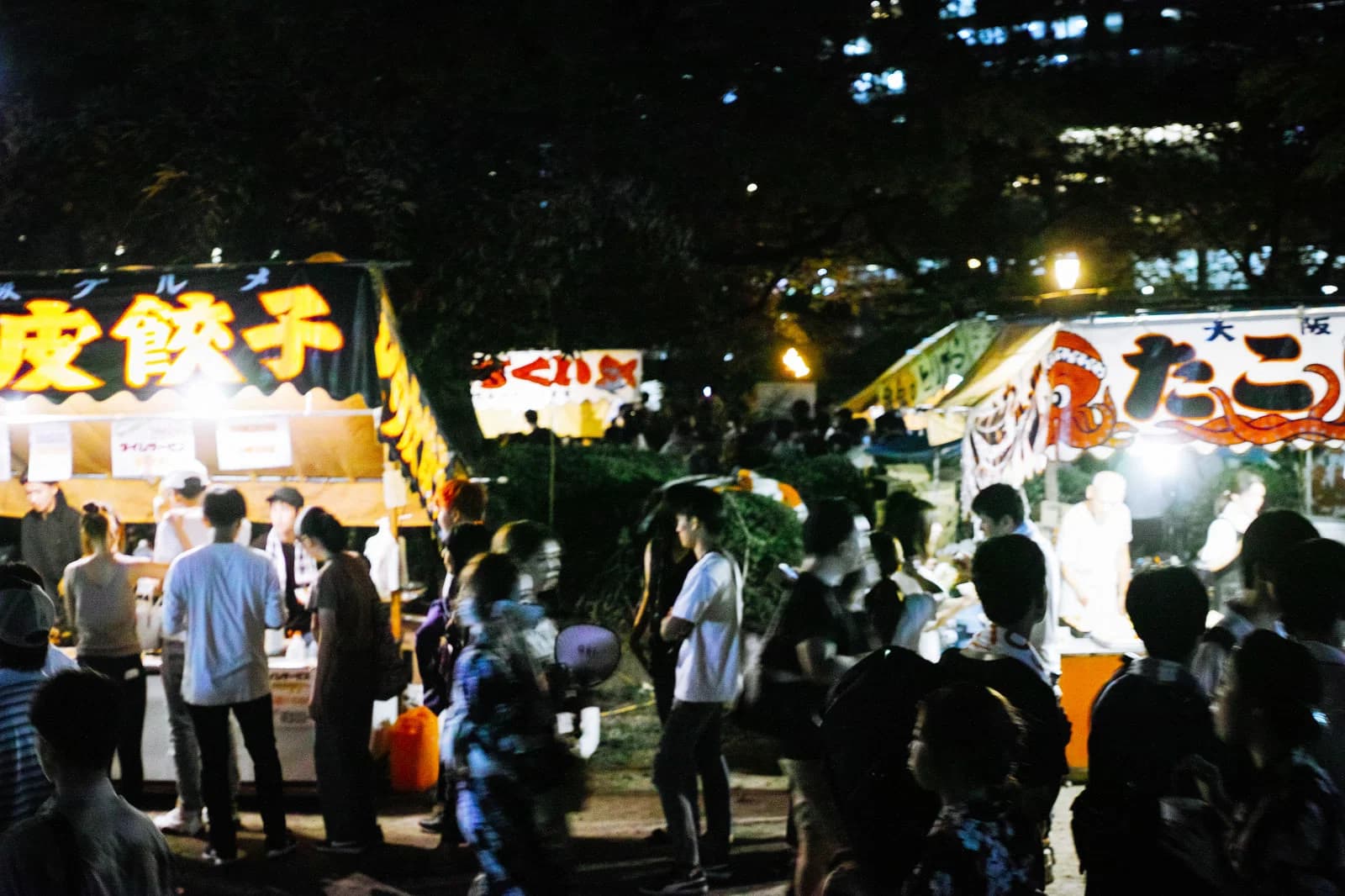
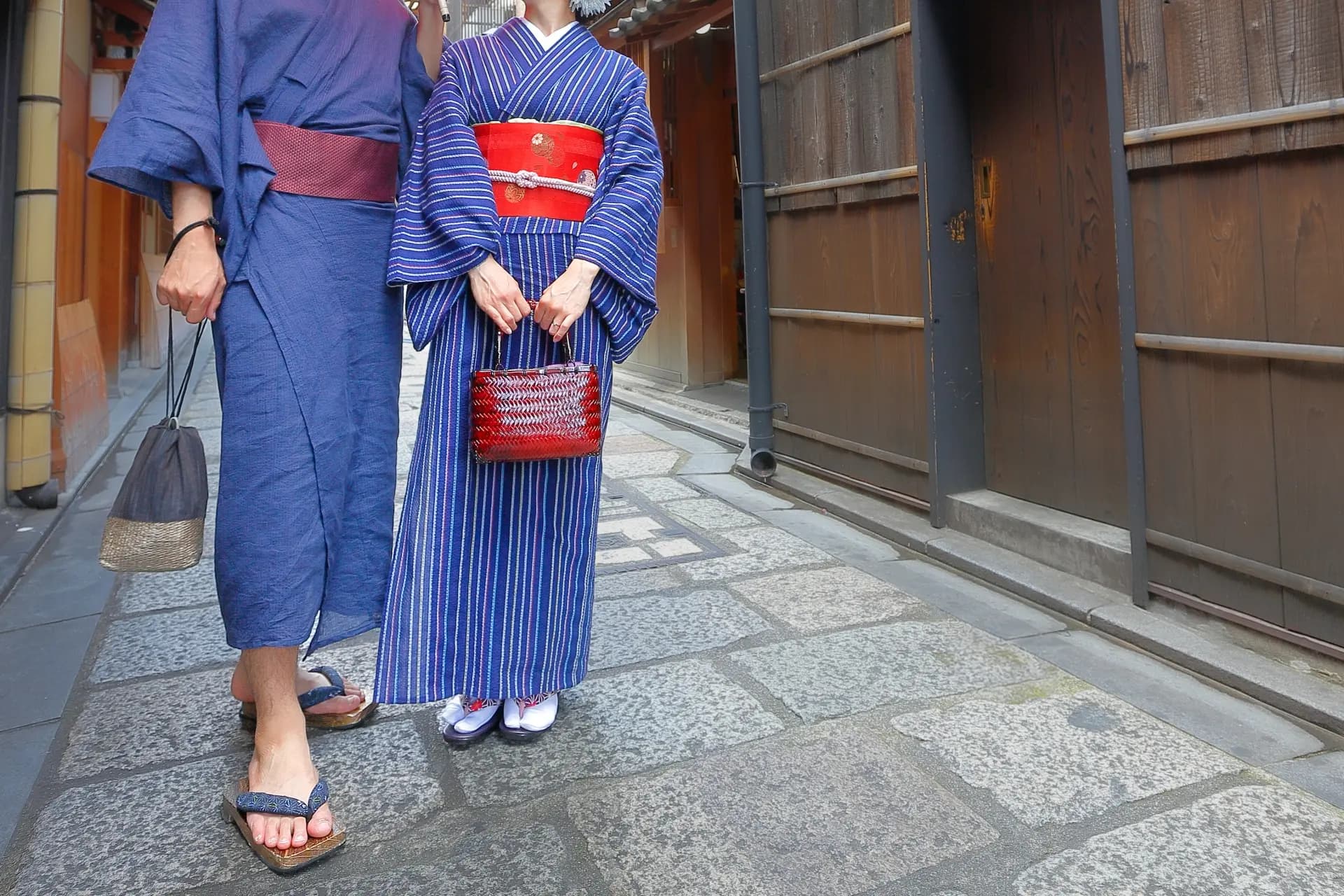
Summer in Tokyo doesn't arrive quietly. From early July, the city fills up with lantern-lit shrine festivals, riverside fireworks that draw crowds in the hundreds of thousands, and small seasonal rituals you'll only catch if you know when to look. The fireflies of June have just faded — if you caught them, you got a jump on the season (see Tokyo Firefly Viewing 2026) — and what follows is the busiest stretch of the whole year.
This page is a calendar, not a deep dive. Think of it as the map: it lays out what's happening across July and August week by week, and points you to the full guide for anything you want to plan around. A couple of the summer's biggest festivals happen in Kyoto and Osaka rather than Tokyo — I've flagged those so you can fold in a side trip if your route allows. Dates come from official sources, but festivals shift and fireworks get called off for rain, so always check the official site before you build a day around one.
At a glance: the summer 2026 calendar
Dates (2026) | Event | Where |
|---|---|---|
Jul 9–10 | Hozuki-ichi Ground Cherry Fair | Senso-ji, Asakusa |
Jul 13–16 | Mitama Matsuri | Yasukuni Shrine |
Jul 17 & 24 | Gion Matsuri (float processions) | Kyoto |
Jul 17–21 | Kawasaki Daishi Wind Chime Market | Kawasaki |
Jul 24–25 | Tenjin Matsuri (+ fireworks) | Osaka |
Jul 25 | Sumida River Fireworks | Asakusa / Sumida |
Jul 26 | Doyo no Ushi no Hi (eel day) | Nationwide |
Aug 1 | Edogawa & Itabashi Fireworks | Edogawa / Itabashi |
Aug 8 | Jingu Gaien Fireworks | Aoyama |
Aug 13–16 | Obon | Nationwide |
Aug 14–16 | Zama Sunflower Festival | Zama (Kanagawa) |
Aug 29–30 | Koenji Awa Odori (29–30) & Asakusa Samba (29) | Koenji / Asakusa |
Mid-July: lanterns at Yasukuni, and Kyoto's grand procession
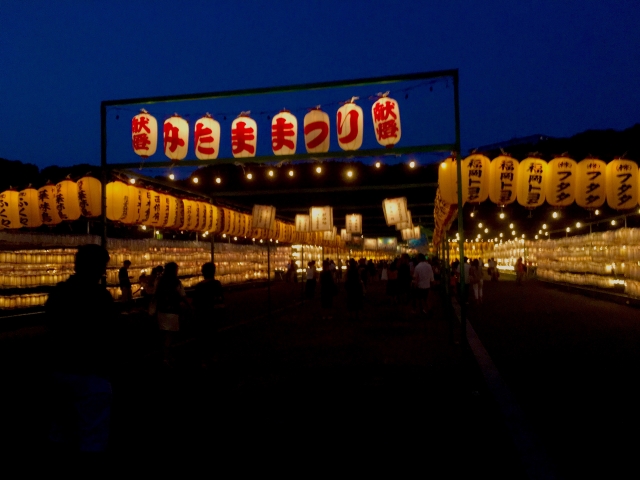
Mid-month brings the first of the big ones. Mitama Matsuri at Yasukuni Shrine (July 13–16) strings some 30,000 paper lanterns along the approach — one of Tokyo's most photogenic summer evenings.
The same days, Kyoto stages Japan's most famous festival of all. Gion Matsuri runs the whole month, but the two float processions (Yamaboko Junko) are the moments to aim for: the first on July 17, the second on July 24. If your trip takes you out to Kansai, it's worth planning around.
Closer to Tokyo, the Kawasaki Daishi Wind Chime Market (July 17–21) gathers more than 800 kinds of wind chime from across Japan in the temple grounds — an easy, gentle half-day just outside the city.
Late July: Osaka's river festival and Tokyo's biggest fireworks
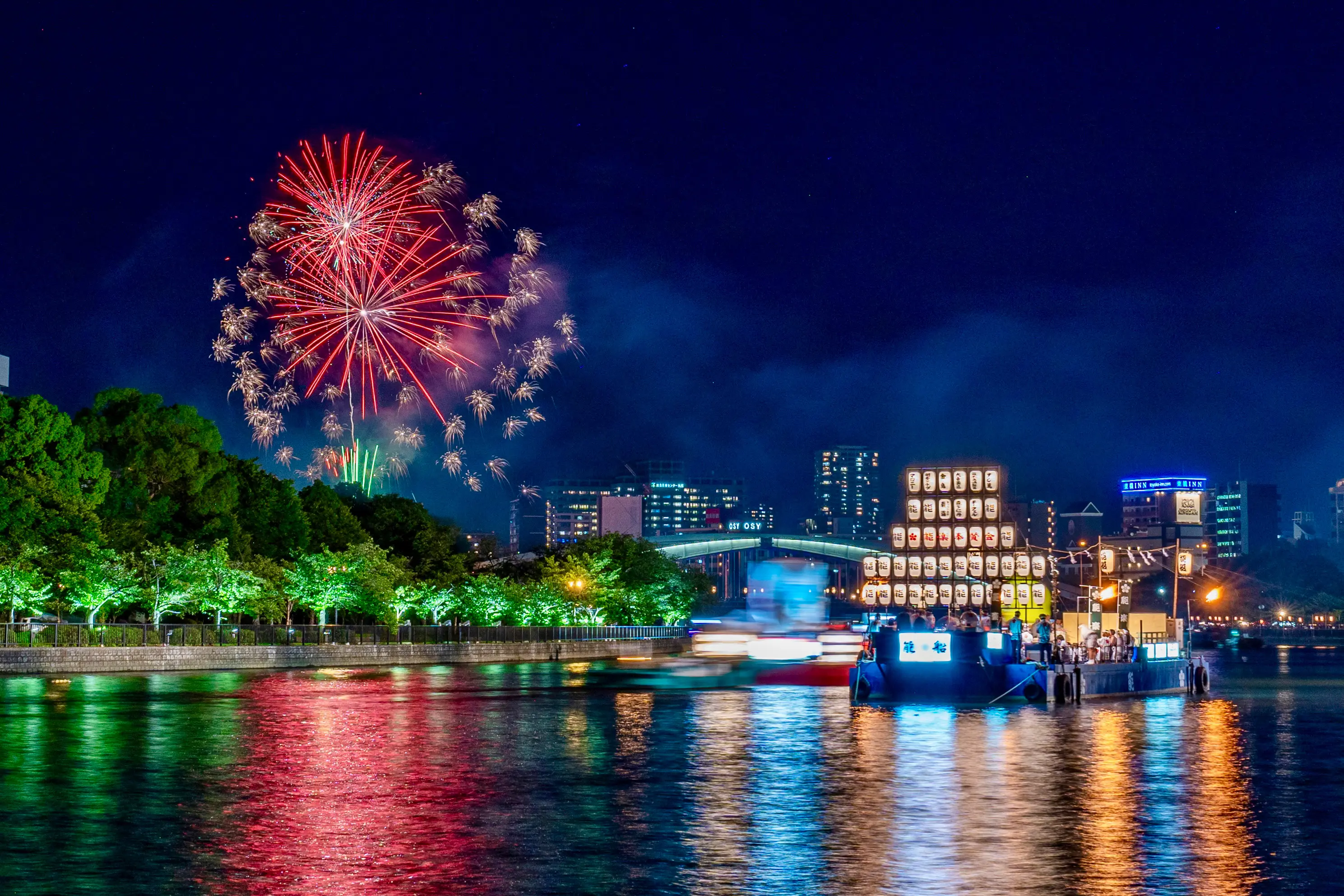
The last week of July is the peak. In Osaka, Tenjin Matsuri builds to its main day on July 25, when a river procession of boats is met by fireworks over the water — one of the country's three great festivals.
The same night, Tokyo holds its signature show. The Sumida River Fireworks (July 25) send up around 20,000 shells over the downtown river, with Tokyo Skytree in the frame. Note the clash: Tenjin Matsuri and the Sumida fireworks both fall on Saturday, July 25, so you'll have to choose east or west. And July 26 brings Doyo no Ushi no Hi, the midsummer day when everyone eats grilled eel to beat the heat.
Early August: fireworks season at full tilt
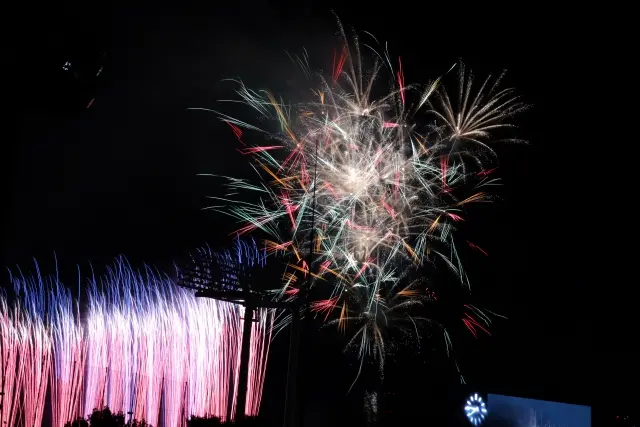
August opens with fireworks on back-to-back weekends. On August 1, two large shows run the same evening: the Edogawa Fireworks, famous for firing 1,000 shells in its first five seconds, and the Itabashi Fireworks on the Arakawa, known for a giant shell and a roughly 300-meter "Niagara Falls" cascade along the river.
The last of the big Tokyo shows comes on August 8 with the Jingu Gaien Fireworks, where about 10,000 shells go up alongside a live-music stage right in the city center — seating is essentially all paid and reserved, so it's the easy one to watch sitting down. For the full lineup, dates, and free-versus-paid seating across all of them, see the Tokyo Fireworks Festivals 2026 guide.
Mid-August: Obon, and fields of sunflowers
Mid-August is Obon (August 13–16 in most of Japan), when families return home to honor their ancestors. It's the busiest travel week of the summer, so book trains early and expect some smaller shops to close — the full picture is in When Is Obon 2026?.
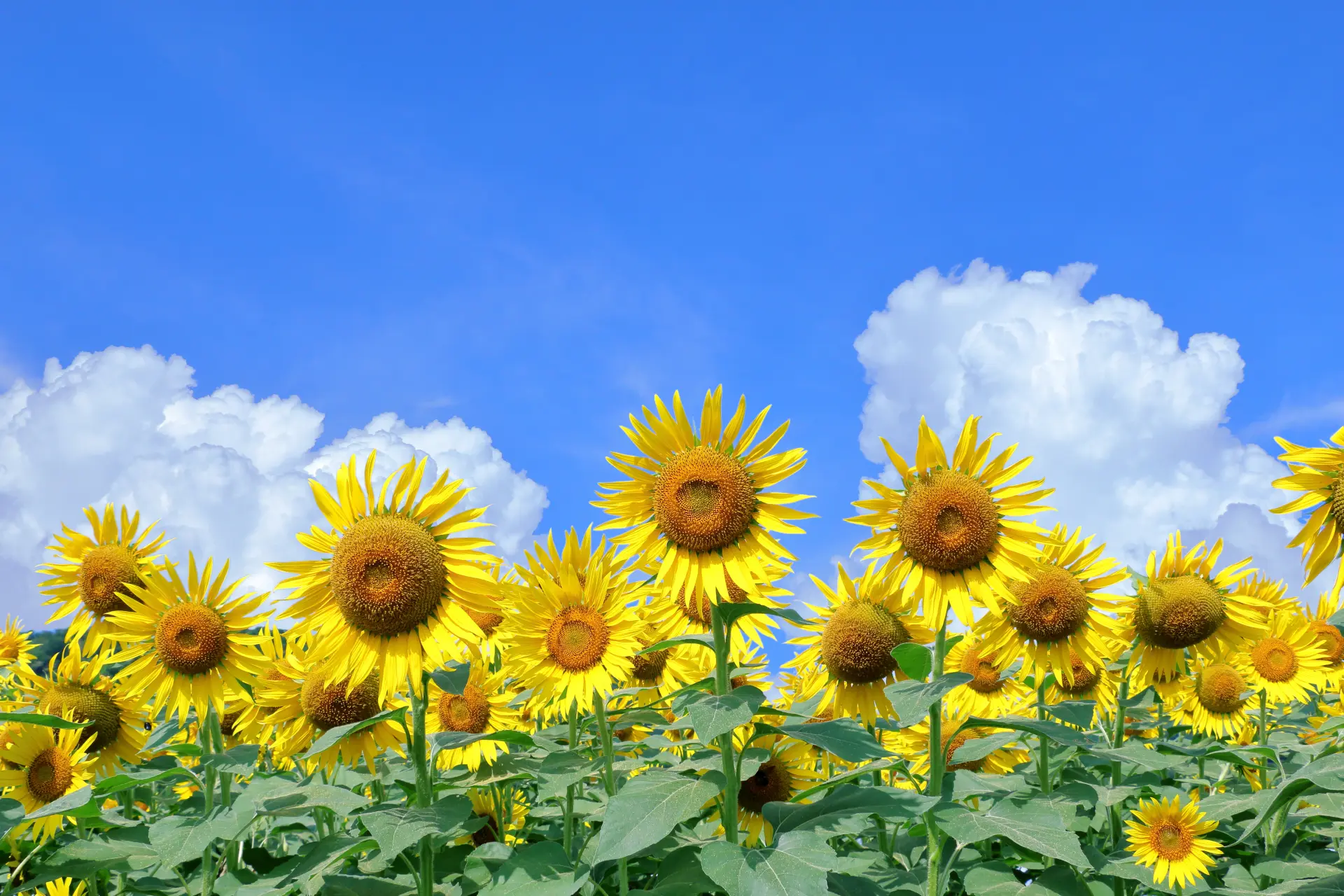
It's also peak sunflower season. Within easy reach of Tokyo, the Zama Sunflower Festival (August 14–16) fills riverside fields with some 550,000 sunflowers. More day-trip options are in Sunflower Fields Near Tokyo 2026.
Late August: dance in the streets
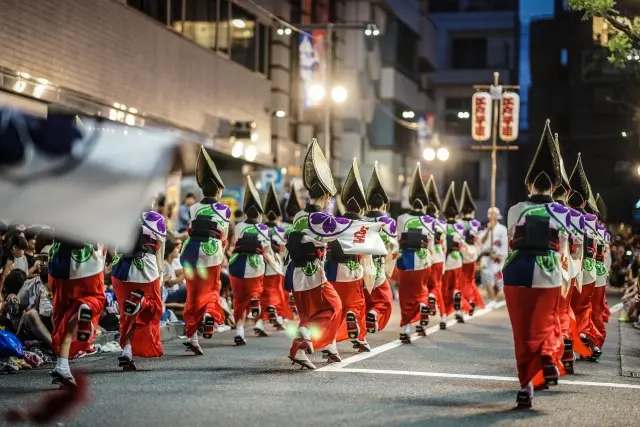
Summer goes out dancing. On the last weekend of August, the Koenji Awa Odori (August 29–30) fills the streets west of Shinjuku with one of Tokyo's largest troupe-dance festivals, while the Asakusa Samba Carnival (August 29) brings feathers and drums to the old downtown the same day. Either makes a fitting last-night-of-summer send-off.
All summer long: shaved ice, mountains, and festivals
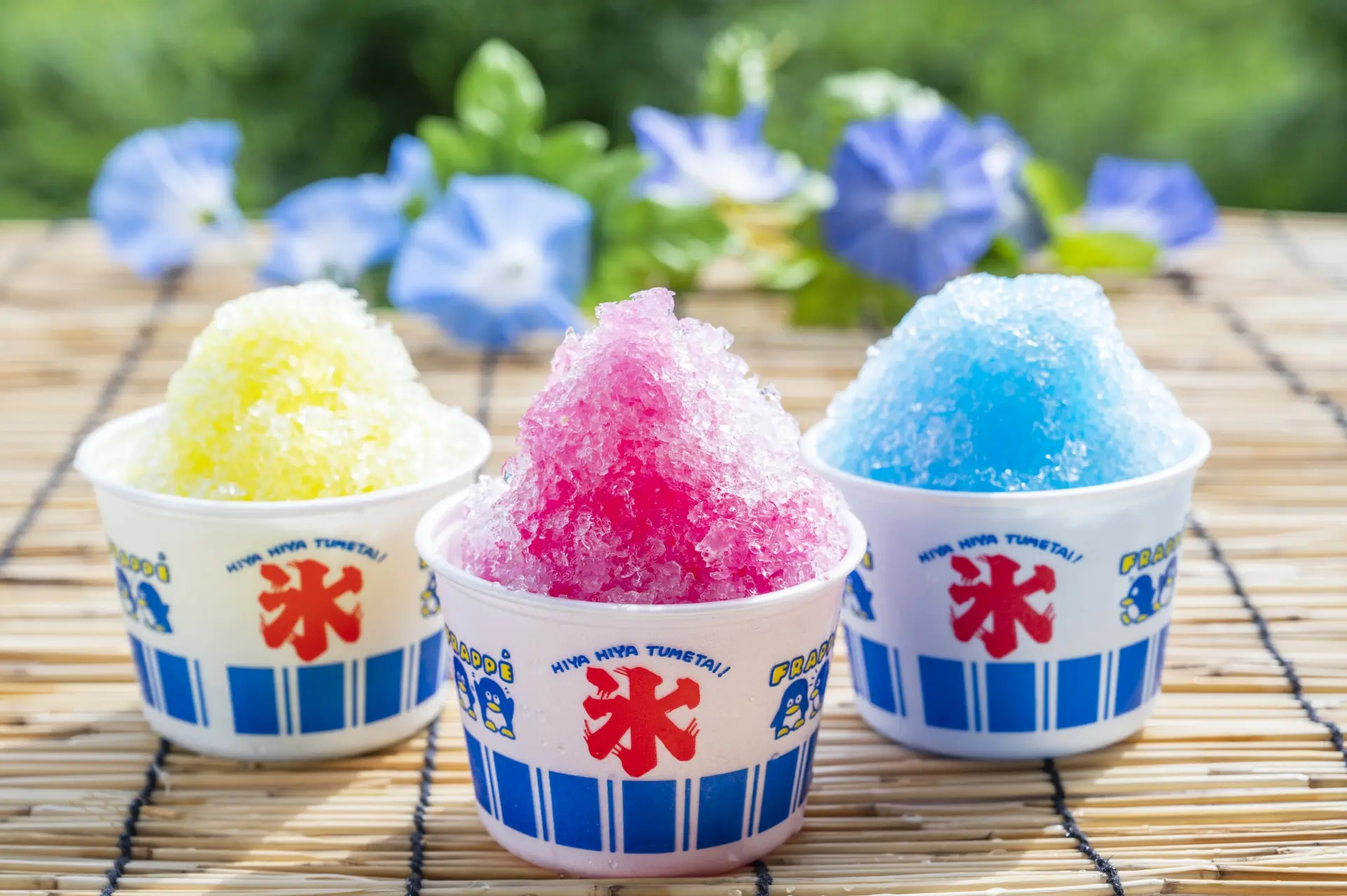
Some of summer's best parts aren't tied to a single date. Kakigori — fluffy shaved ice with real fruit syrups — is everywhere from July, and there's a guide to reading the menu in The Kakigori Guide 2026, plus a whole festival of it in Roppongi Hills Ice! Ice! Ice! 2026. Mount Fuji's climbing season is also underway: the Yoshida trail opens July 1, with an entry fee and a nightly gate closure now in place — the details are in Climbing Mount Fuji 2026. And for the seasonal festivals as a whole — how to enjoy the food stalls, what to wear, and the etiquette — start with the Japanese Summer Festivals Guide 2026.
Before you go: heat, crowds, cash, and yukata
Tokyo's summer is genuinely hot and humid, and it stays warm well after dark. Carry water, a fan, a towel, and a power bank, and read up on staying safe in Surviving Japan's Summer Heat 2026. A folding umbrella covers both sudden downpours and shade.
Two more things make festival nights smoother. Most food stalls take cash only, so keep coins and small bills handy — and if you run low, here's How to Withdraw Cash in Japan 2026. And the crowds are real: the worst crush is at train stations right after the fireworks end, so wait 30–40 minutes and let the platforms clear. If you'd like to dress for it, a yukata makes any of these evenings feel special — see the Tokyo Yukata Guide 2026.
This article was translated from the original Japanese with AI assistance and reviewed by our editorial team. The Japanese version is authoritative.